

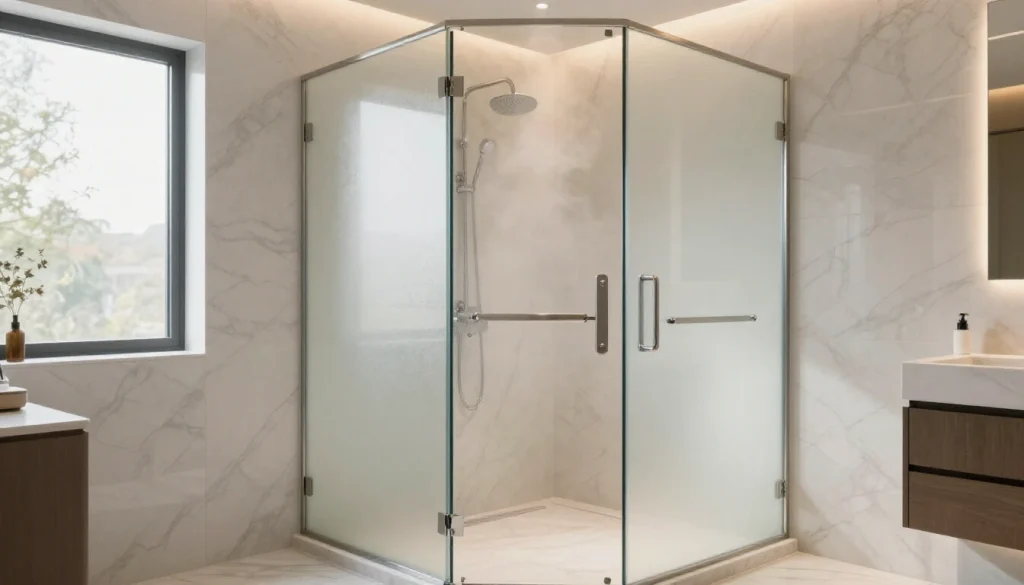
After fifteen years of writing about bathroom renovations and walking through hundreds of finished projects with contractors, one upgrade keeps coming up in conversation more than any other: the steam shower. Homeowners ask about it because it solves two problems at once. It still works as a normal shower for daily use, and it doubles as a private steam room whenever you want one. If you’re planning a remodel or just gathering steam shower ideas before you call a contractor, this guide walks through layouts, materials, lighting, seating, and the small details that separate a shower that merely has steam from one that actually feels like a retreat.
A steam shower is a sealed shower enclosure connected to a generator that pumps heated vapor into the space. Unlike a sauna, which uses dry heat, a steam shower fills the room with moist heat, usually between 110°F and 120°F, at close to 100% humidity. That moisture is what makes the experience different from a hot shower: it opens pores, eases sore muscles, and helps clear stuffy sinuses, all while you’re standing in a space you already use every day. Below are 22 ideas covering layout, materials, comfort features, and small-space solutions, plus the practical details that keep a steam shower running well for years.
1. Choose the Alcove Layout for the Most Efficient Steam Retention

The alcove layout uses three existing walls, with a glass panel and door closing off the fourth side. Because only one surface faces the rest of the bathroom, less heat escapes during a steam session, which means the generator works less to maintain temperature. This layout fits narrow bathrooms well and pairs nicely with standard 7 to 8 foot ceilings. If you’re working with a tight footprint, this is usually the first layout a contractor will suggest, since it asks for the least structural change to an existing shower stall.
2. Consider a Corner Entry for a More Open Feel
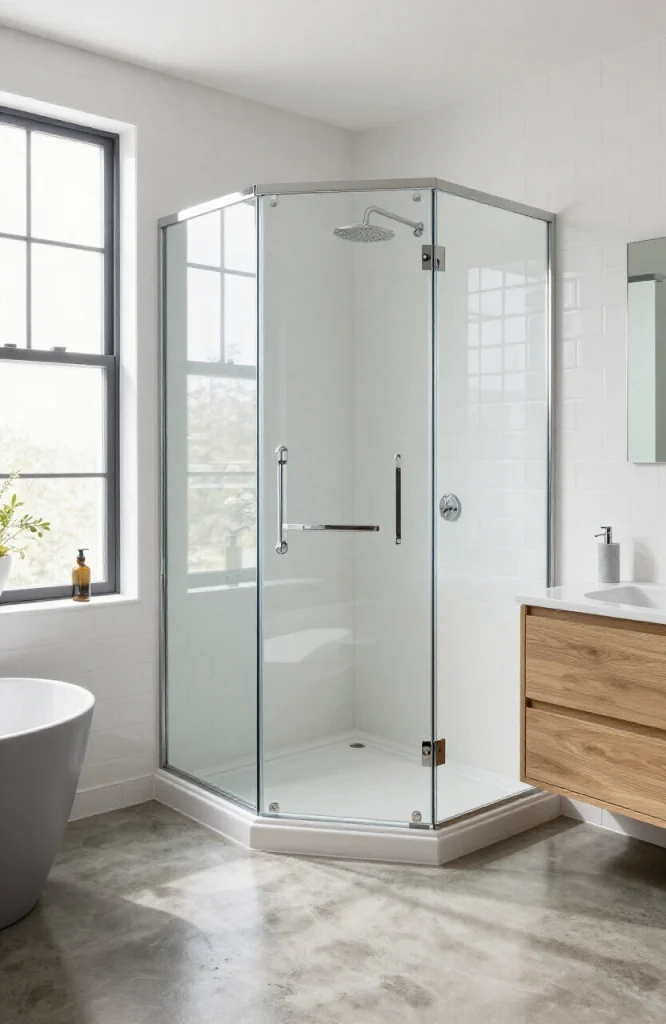
A corner entry layout uses two glass panels that meet at a corner, with the shower wall serving as the back of the enclosure. It opens up the room visually compared to an alcove, since two sides are glass instead of one. This works best in larger bathrooms where you have the floor space to spare, and it tends to suit a TV wall or focal-point design approach where the shower itself becomes a visual feature of the room rather than a tucked-away utility space.
3. Get the Dimensions Right Before You Choose Finishes
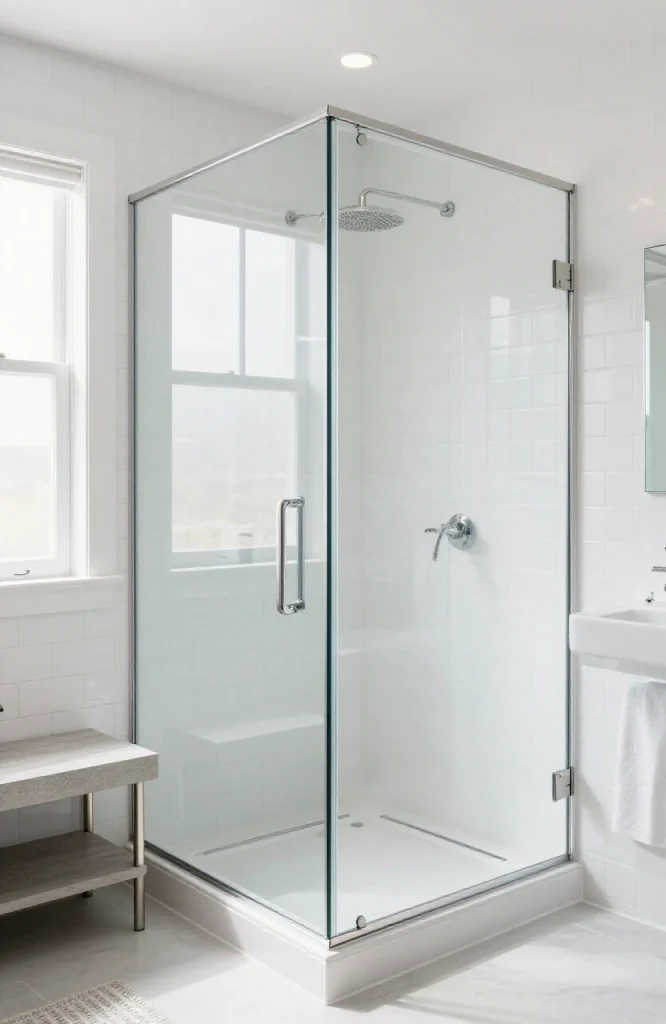
Steam efficiency depends heavily on the size of the enclosure. A minimum interior dimension of 36 by 36 inches will technically work, but 36 by 48 inches gives enough room for a bench alongside standing shower space, which most homeowners find far more comfortable. Keep ceiling height at or below 8 feet for residential installations. Taller ceilings mean a larger volume of air to heat, which calls for a bigger generator and a longer warm-up time before the room reaches a comfortable steam level.
4. Pick Porcelain Tile for Long-Term Durability
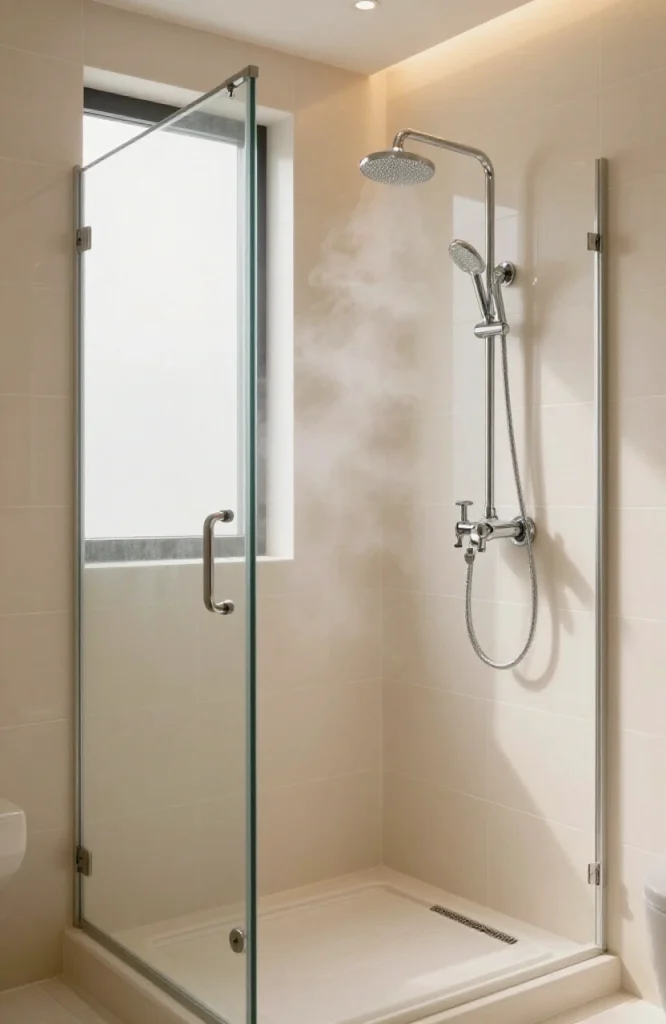
Porcelain is the most recommended surface for steam showers because its water absorption rate sits below 0.5%. That low porosity means it resists moisture penetration and won’t expand or warp under sustained heat the way some materials do. Rectified porcelain with tight grout joints is considered the professional standard, and it comes in formats ranging from large slabs to small mosaic tiles, so you’re not limited stylistically by the practical requirement.
5. Use Natural Stone for an Organic, Spa-Like Look
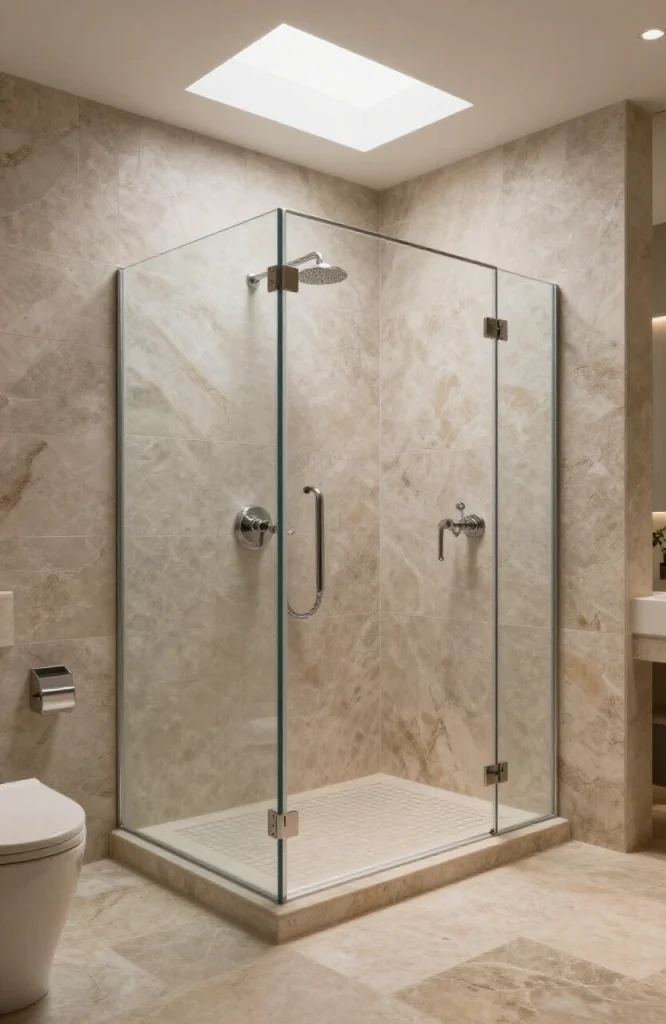
Slate, travertine, and select granites bring a textured, elemental quality that pairs naturally with the experience of steam. The tradeoff is maintenance: stone must be sealed before grouting and resealed roughly once a year to prevent moisture intrusion and staining. Stone also absorbs heat more slowly than tile, which can extend the time it takes for the room to reach full steam, so factor that into your generator sizing if stone is your top choice.
6. Add Textured Tile Where Footing Matters Most
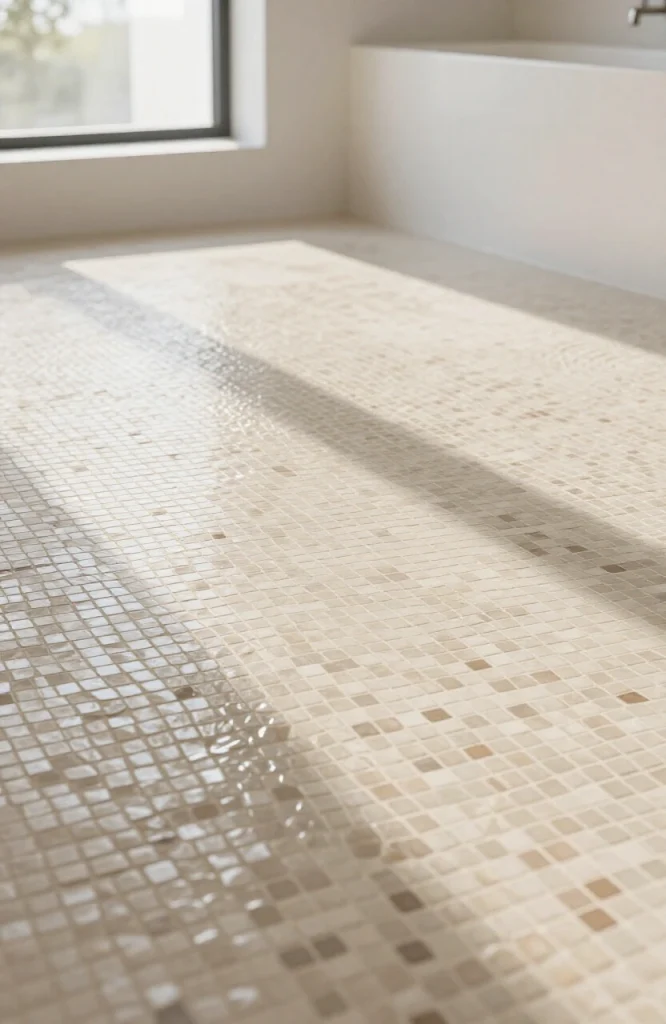
Slip resistance is not optional in a space that’s wet and humid for the entire session. Textured tiles with subtle ripples or small-format mosaics with more grout lines create extra grip underfoot. This matters most on the floor, where condensation collects and pools faster than on vertical surfaces. A textured floor with a smooth, large-format tile on the walls gives you both safety and a clean aesthetic without one compromising the other.
7. Slope the Ceiling to Stop Drips Before They Start
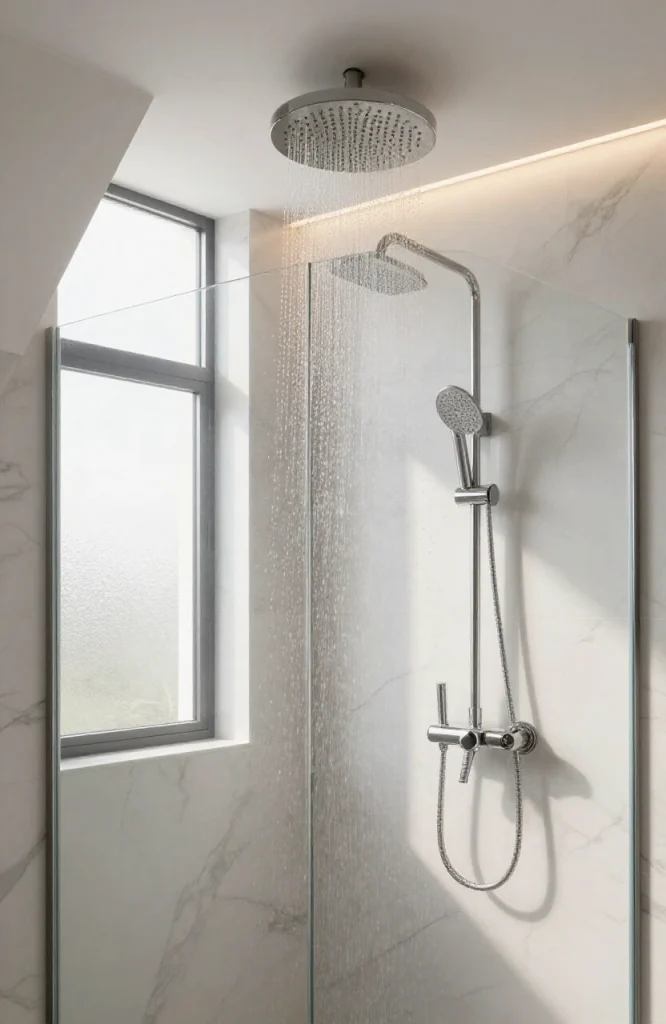
As steam rises, it condenses on the ceiling. Without a slope, that condensation gathers into drops that land directly on you mid-session. A ceiling pitched between 1 and 2 inches per lineal foot channels that moisture toward the walls instead, where it runs down rather than dripping down. If your bathroom has unusually tall ceilings, a contractor may recommend a suspended or coffered ceiling inside the enclosure specifically to manage this slope without raising the whole room.
8. Build in a Bench for Real Relaxation
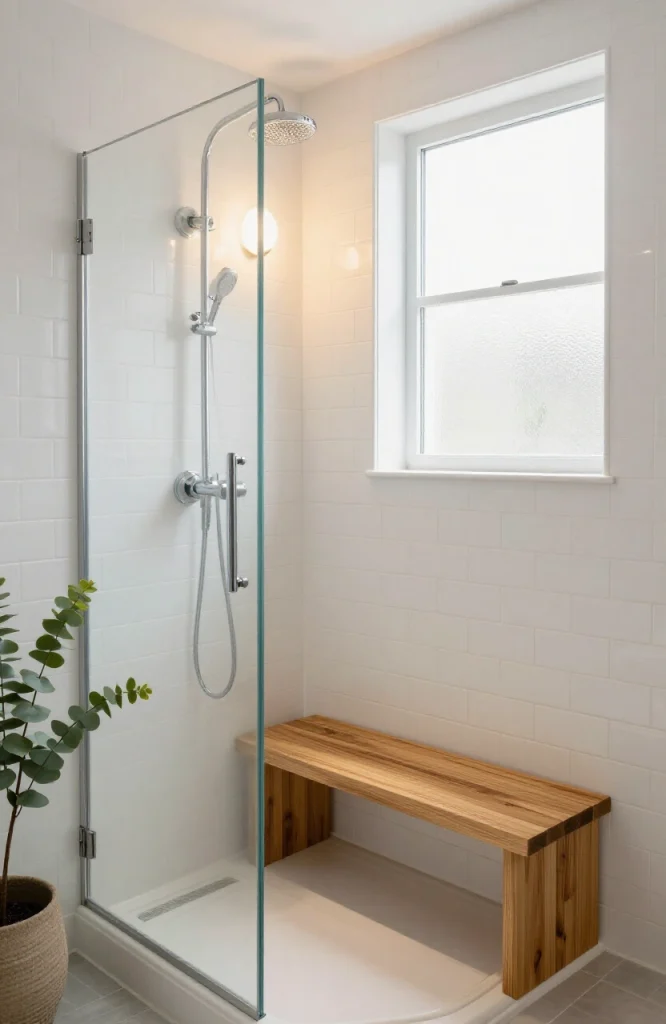
A steam session is meant to be sat through, not rushed through standing up. Standard bench depth runs 18 to 20 inches with a seat height of 17 to 19 inches, dimensions that work for most adults without crowding the rest of the enclosure. A built-in bench along one wall, sloped slightly for drainage, gives you a permanent seat that needs no setup and stores nothing to clutter the space when you’re not using it.
9. Try a Fold-Down Teak Seat for Small Spaces
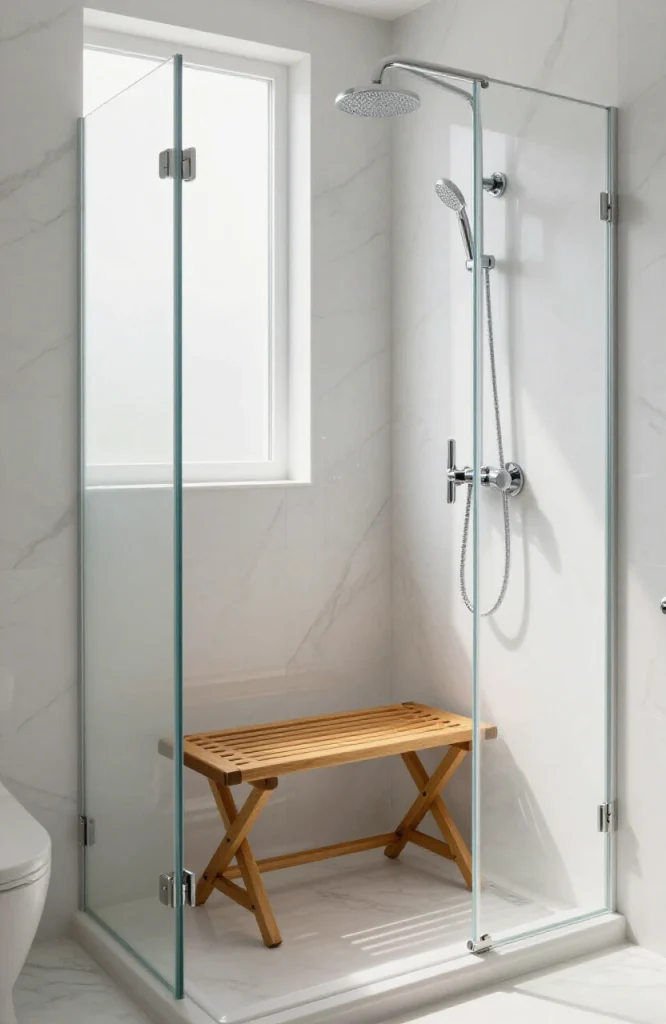
If a permanent bench would eat too much floor space, a wall-mounted folding seat solves the same problem without the footprint. Teak is the standard material because it resists rot and holds up well to constant humidity. When folded against the wall, it has a slim profile that barely intrudes on the shower’s usable area, and it still gives you a sturdy spot to sit through a full session when you want one.
10. Layer Lighting for Function and Mood
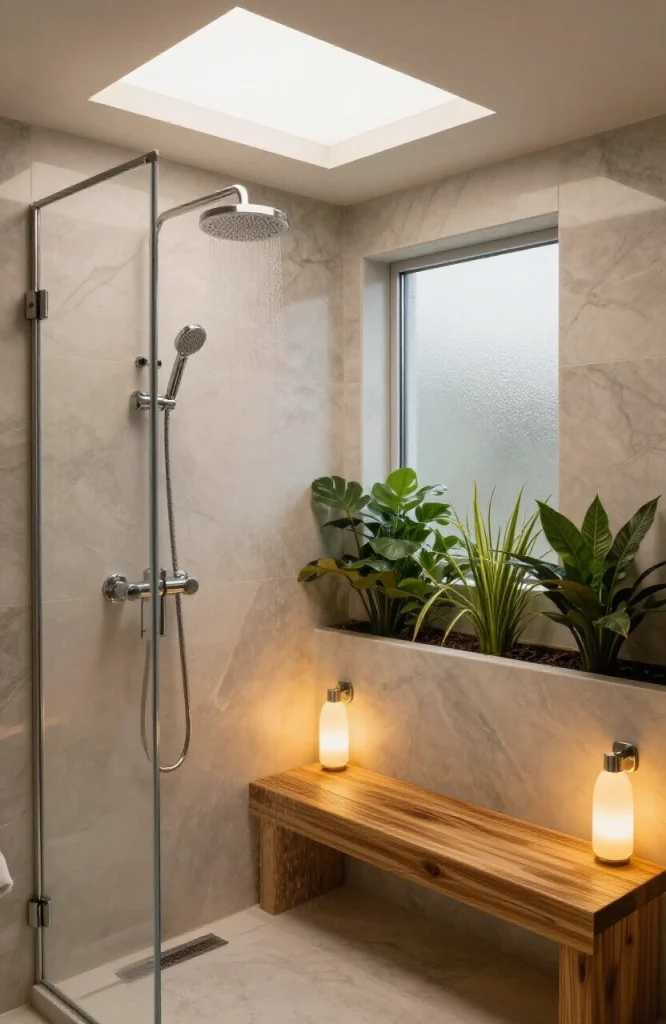
A single overhead fixture rarely does a steam shower justice. Pair bright, functional lighting for cleaning and everyday use with a dimmer, warmer option for relaxation sessions. Both should be rated for wet, steamy environments, since standard fixtures will fail quickly in that level of humidity. If you’re already thinking through layered lighting for other parts of the home, the same logic that works for garden lighting design, using multiple light sources at different intensities for different purposes, applies just as well indoors.
11. Add Chromatherapy for a Customizable Atmosphere
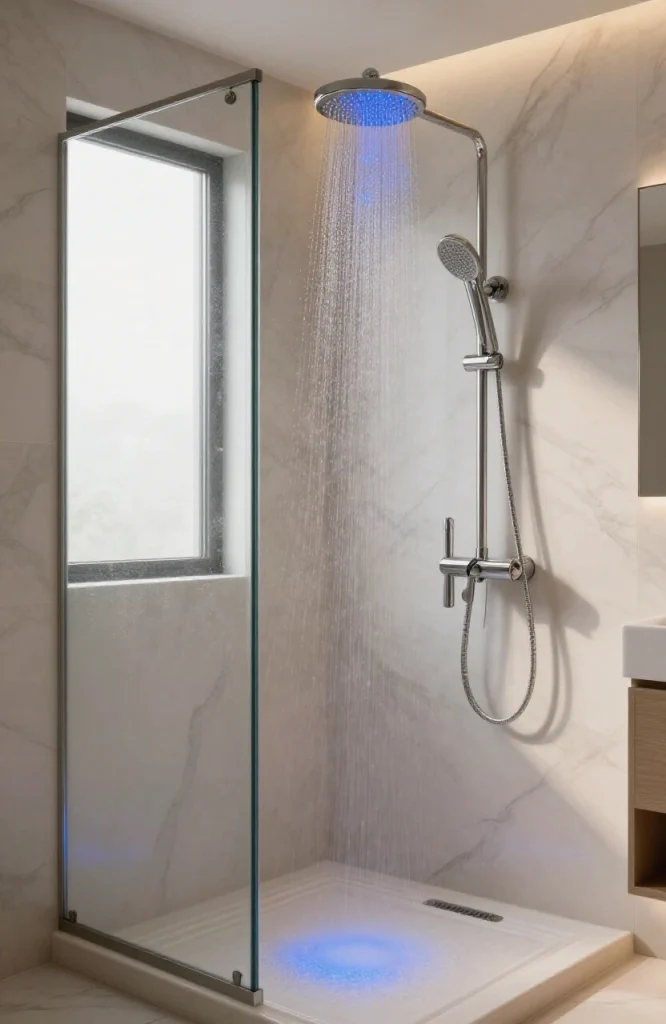
Chromatherapy uses color-changing LED lighting tied into the steam controls, letting you shift between calming blues, energizing greens, or warm ambers depending on your mood. Color light therapy has documented links to mood regulation and stress reduction, which makes it more than a novelty feature. Most systems let you save lighting presets alongside your preferred steam temperature, so your ideal session is one tap away every time.
12. Install Recessed Waterproof Lighting
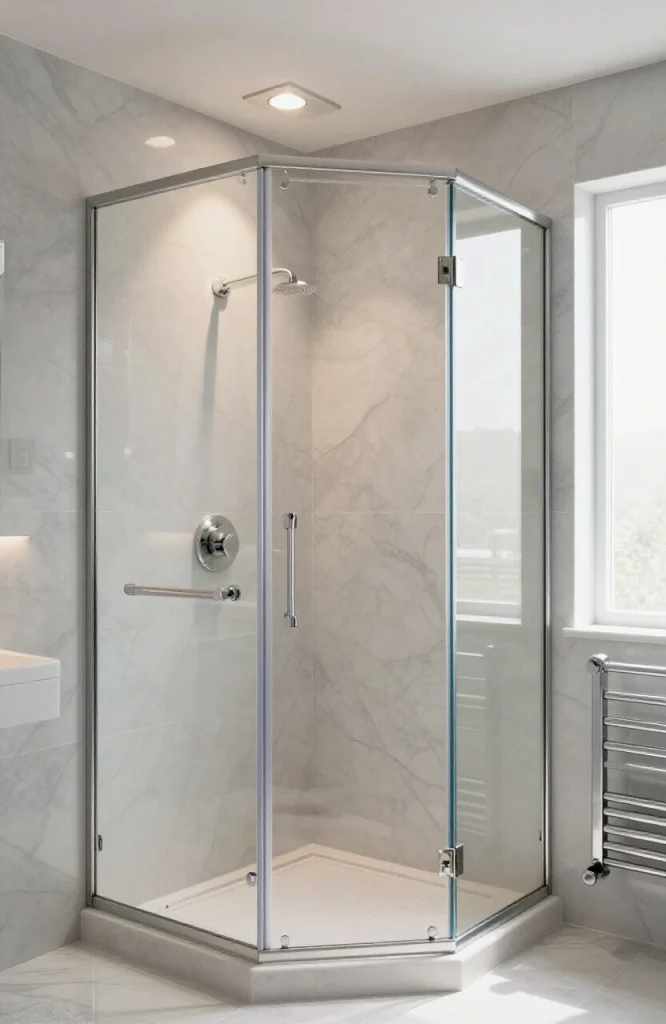
Recessed fixtures rated for wet locations sit flush with the ceiling or wall, which means fewer shadows and no protruding hardware to bump into in a small enclosure. Because they’re built to handle moisture and temperature swings, they hold up far better over time than retrofitted standard fixtures. This is also the easiest lighting type to combine with chromatherapy, since many recessed wet-rated fixtures come with the LED color-changing function built in.
13. Choose a Steamhead That Disperses Evenly
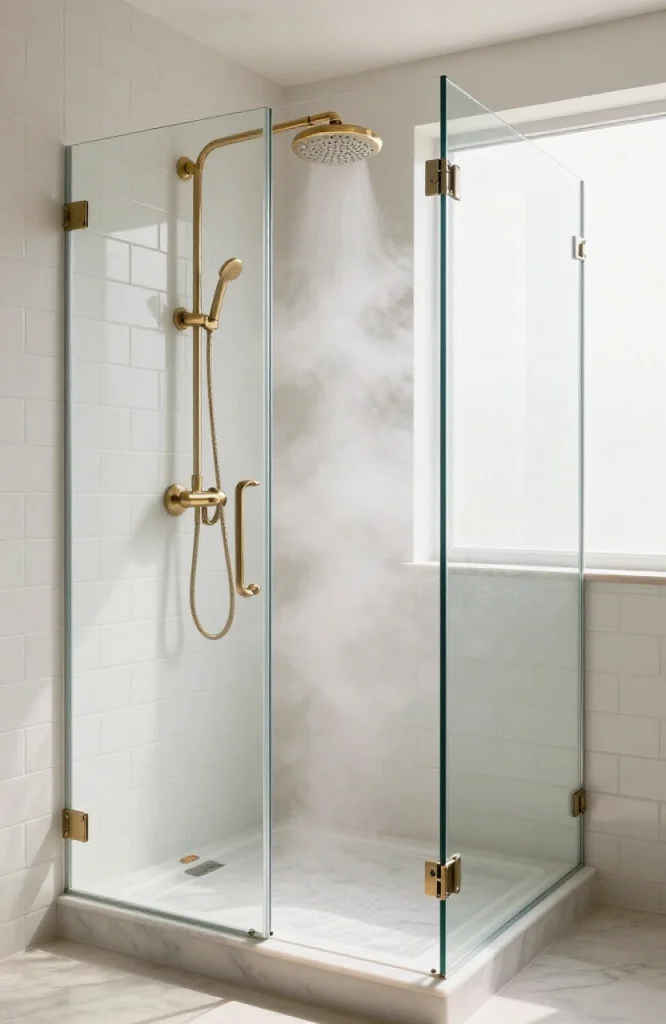
The steamhead is the point where vapor enters the enclosure, and not all of them perform the same. Look for a flush-mounted design that distributes steam evenly across the base of the shower rather than blasting it from one direction. Since steam naturally rises, the steamhead is typically installed about a foot above the floor and positioned away from the main seating area, so you’re not sitting directly in the strongest blast of heat.
14. Add an Aromatherapy Reservoir
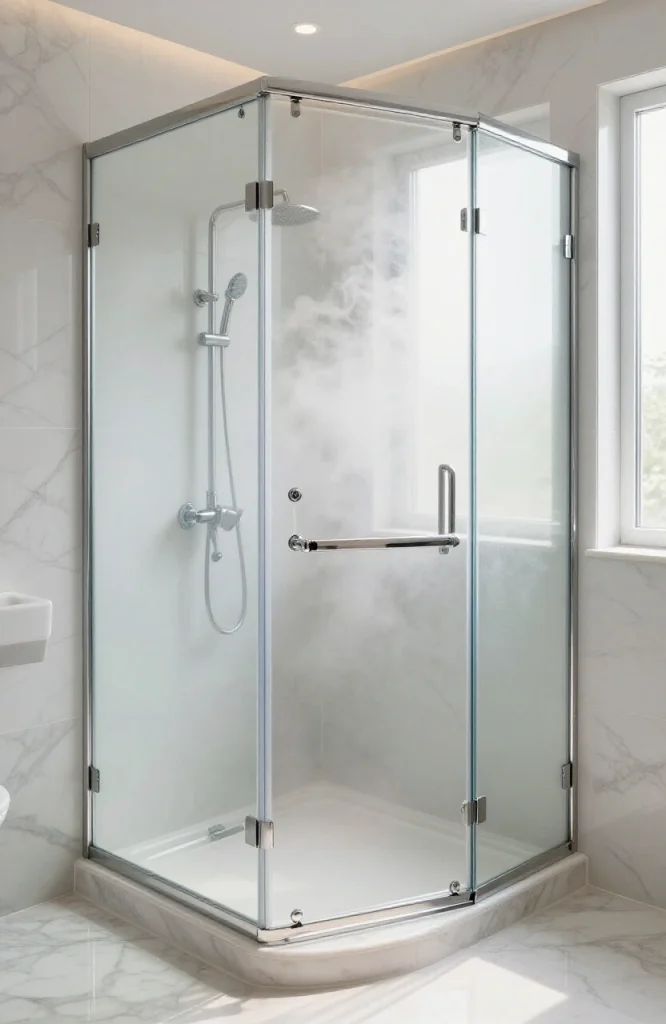
Many steamheads come with a built-in, low-profile tray for essential oils, letting the steam carry scent through the enclosure as it builds. Eucalyptus and peppermint are common choices for opening up airways, while lavender works well for an evening wind-down session. This is a small add-on at installation time but a difficult one to retrofit later, so it’s worth deciding on upfront if scent matters to your routine.
15. Choose Frameless Glass for a Clean, Open Look
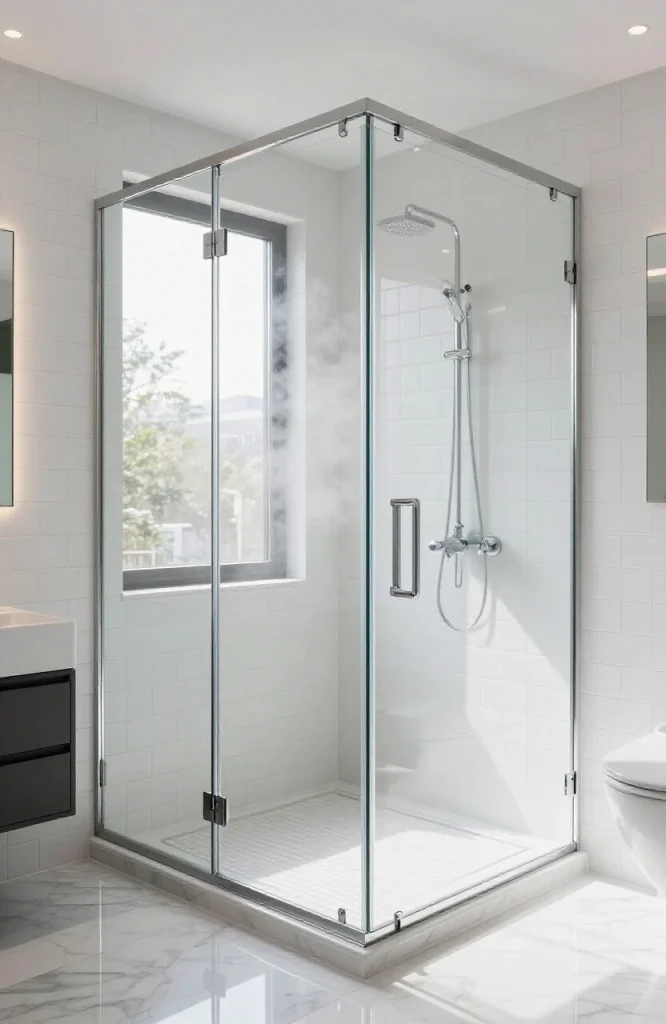
Full-height frameless glass keeps the enclosure sealed, which steam showers require, while letting natural light pass through and keeping the space visually open. Because the glass and hardware are custom fabricated to fit your exact dimensions, this tends to be one of the pricier line items in a steam shower budget, but it makes a noticeable difference in how large and bright the finished space feels.
16. Plan for a Dedicated 240-Volt Circuit
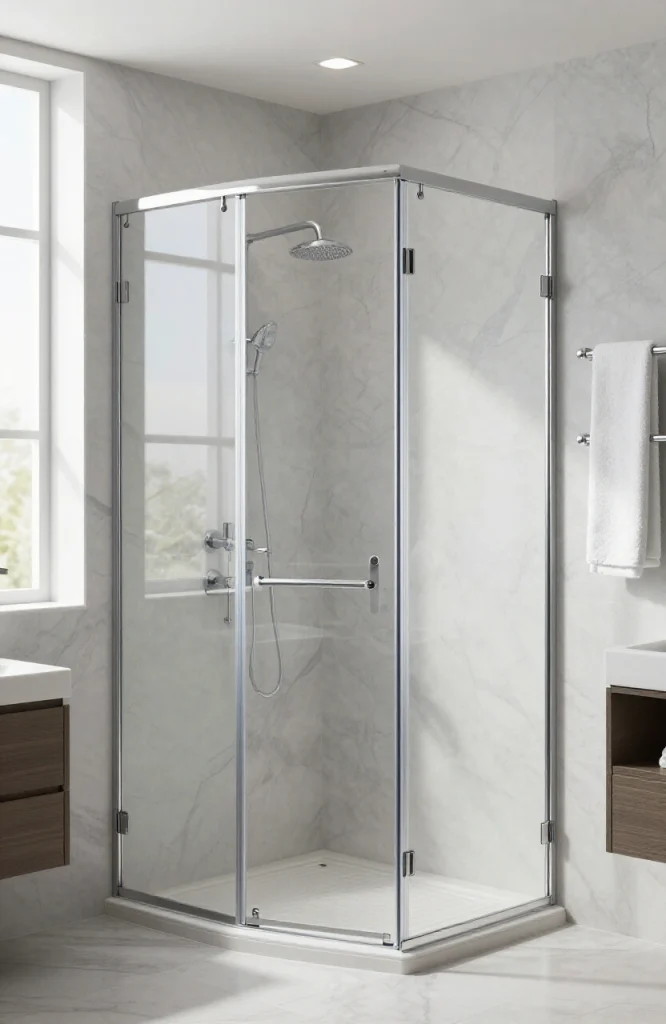
Steam generators draw significant power, similar to an electric range or dryer, and most residential units need a dedicated 240-volt circuit. Larger generators may require 60 amps or more. Older homes with a fully loaded electrical panel sometimes need a panel upgrade before installation can proceed, so it’s worth having an electrician check your panel’s available capacity early in the planning process rather than discovering the issue mid-renovation.
17. Add Digital Controls for One-Touch Sessions
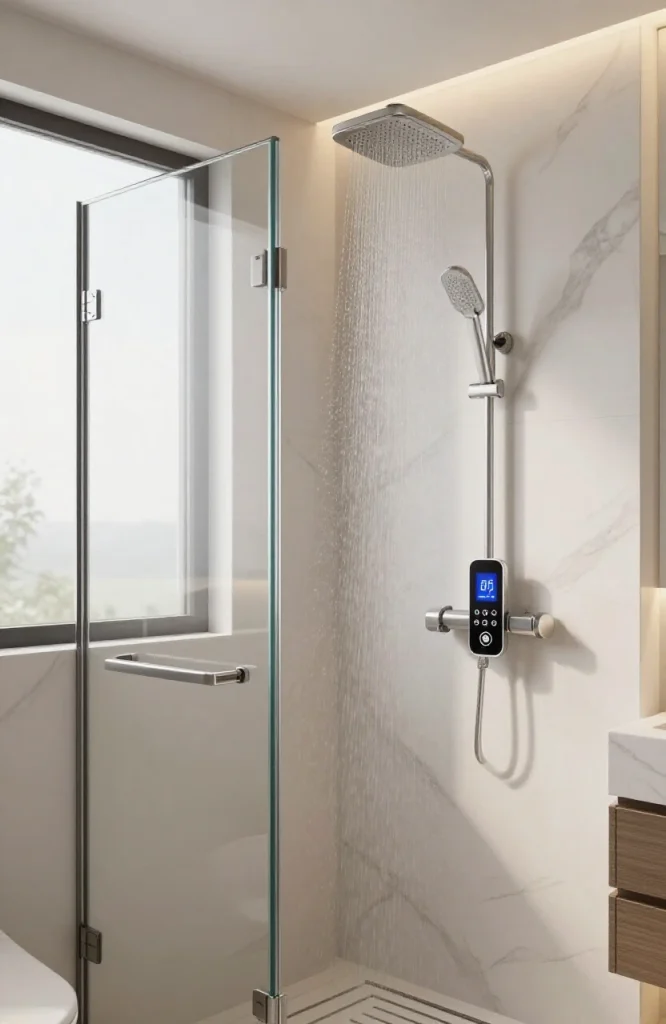
A touchscreen control panel lets you start a session, adjust temperature, and switch between aromatherapy and lighting presets without fumbling with separate dials. Many systems also support audio integration, so your music or a guided relaxation track starts the moment your steam session does. The convenience here matters more than it sounds: a steam shower you can start with one tap gets used far more consistently than one that requires several manual adjustments every time.
18. Use Smart Storage to Keep the Look Clean
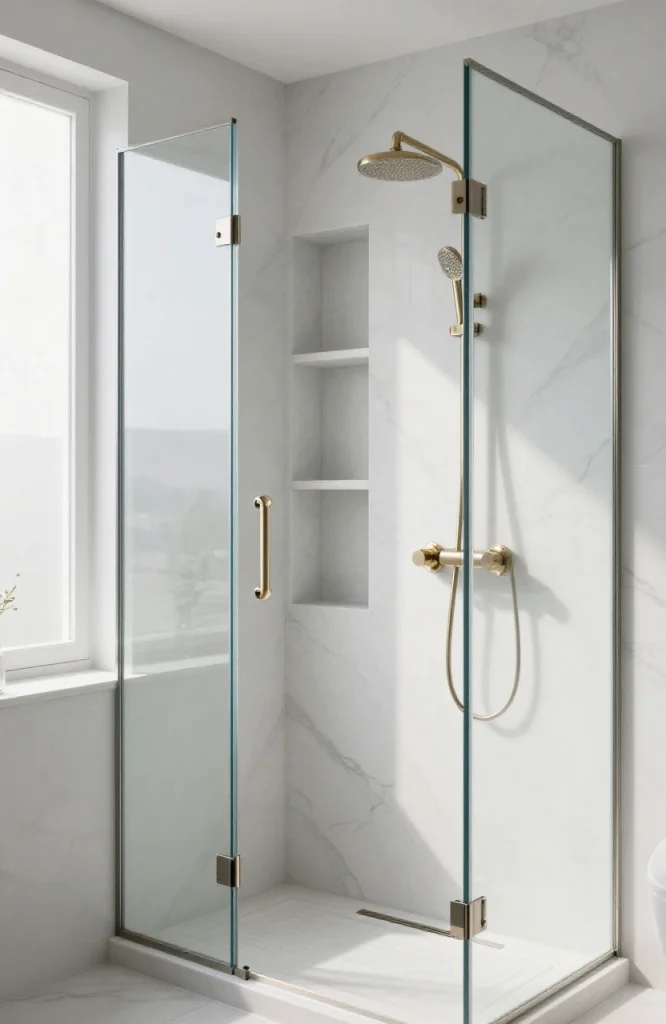
Built-in shelving or a recessed niche keeps soap, shampoo, and accessories out of sight without adding visible clutter to a small enclosure. This matters more in a steam shower than a standard one, since a busy, cluttered look works against the calm, spa-like atmosphere you’re trying to create. A single recessed niche, tiled to match the walls, usually handles everything you need without competing visually with the rest of the design. The same instinct that drives decluttered shelving solutions in a small living room applies here: less visible storage reads as more relaxing.
19. Bring in Plants or Natural Materials
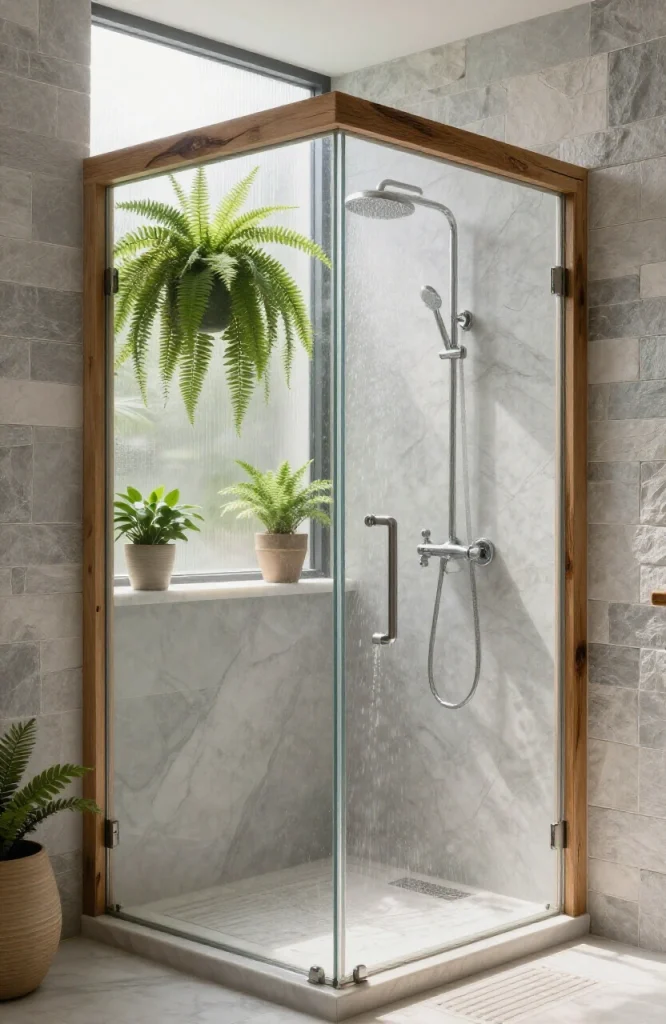
A few hardy plants or simple wood and stone accessories soften the otherwise hard surfaces of a steam shower. Ferns and other humidity-loving plants thrive in this environment specifically because of the moisture, so they need less attention than they would anywhere else in your home. Wood accessories should be teak or another moisture-resistant species to avoid warping over repeated steam cycles.
20. Convert Your Existing Shower Instead of Starting Over
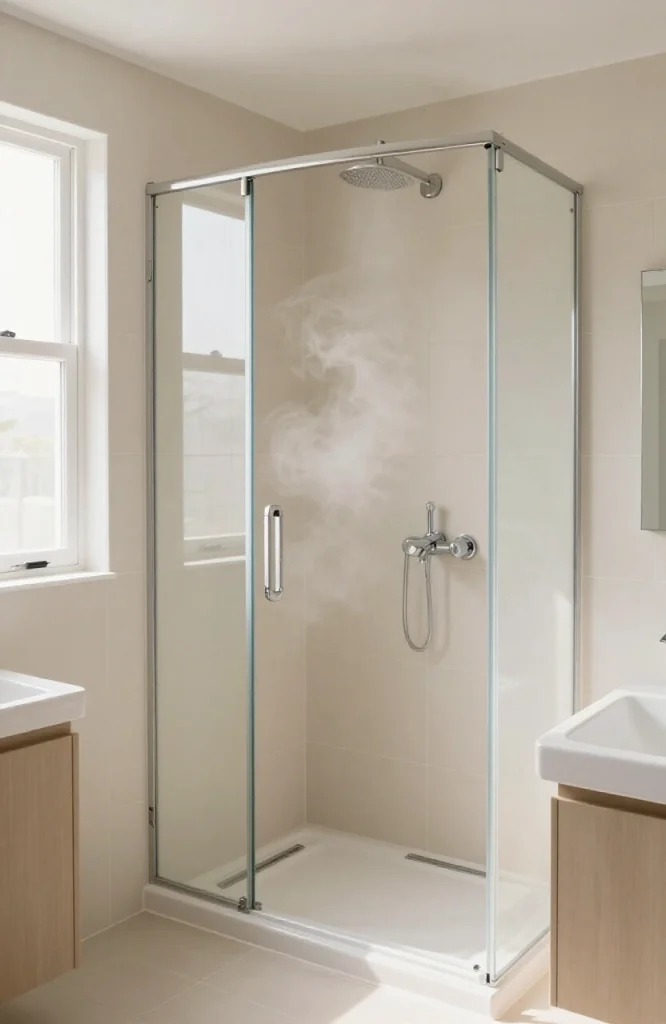
You don’t always need to build a steam shower from scratch. An existing shower can be converted if the walls are opened to install the generator and a small hole is made in the surround for the steam pipe. The enclosure needs to be made fully airtight, which usually means extending glass to the ceiling and double-checking that all surfaces are sealed against the higher humidity level. For most homeowners, converting an existing shower costs less than building a new enclosure and uses a footprint you’ve already accounted for in the room’s layout.
21. Solve Small Bathroom Space with the Right Generator Placement
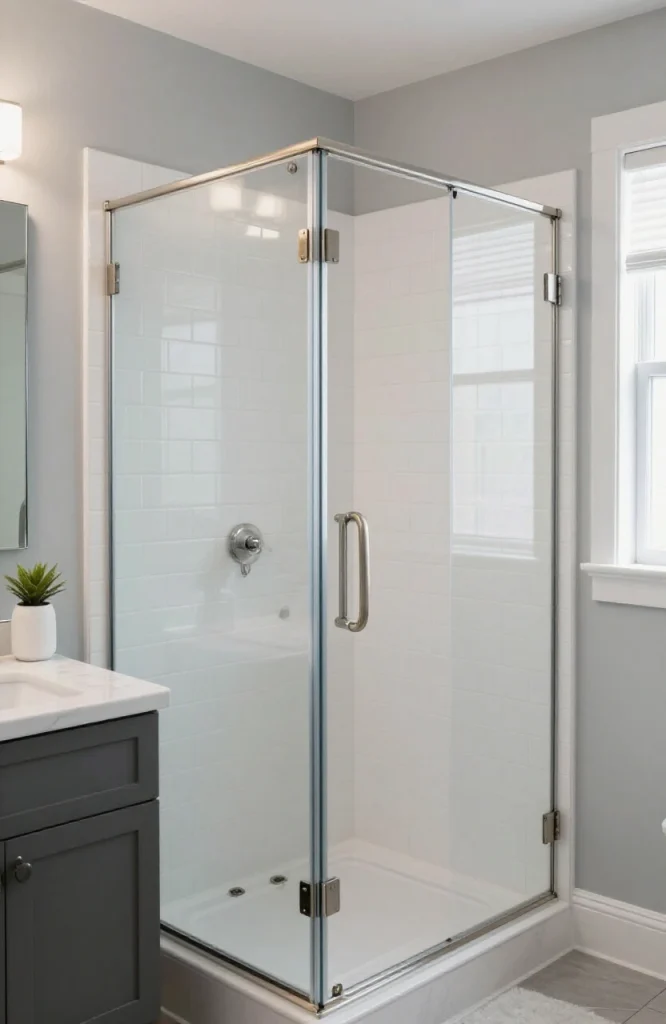
A steam shower doesn’t need to look bulky to deliver a full experience. Because the generator is installed remotely, often in a linen closet, under a vanity, or in an adjacent utility space, the actual enclosure can stay compact. Minimalist tile choices and a transparent glass door keep a small steam shower from feeling closed in, while still functioning at full power. This is the detail most homeowners get wrong when they assume a steam shower automatically requires a larger bathroom footprint.
22. Budget for Real Numbers, Not Guesses
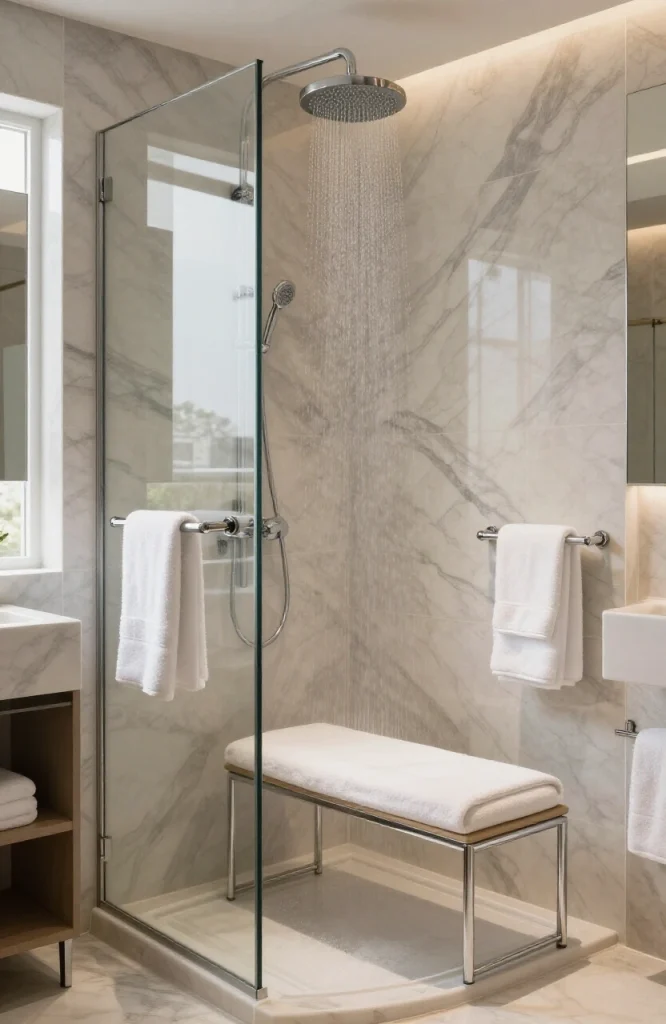
Most homeowners spend between $2,800 and $7,100 to install a steam shower, with an average cost around $4,300, though custom designs with premium tile and a jetted tub can run as high as $25,000. Converting an existing shower into a steam shower typically costs 20% to 35% more than installing a standard shower in the same space. Beyond the upfront cost, plan for ongoing maintenance: generators need periodic descaling, sealant lines should be checked annually, and a generator replacement every 10 to 15 years is normal with regular use. Knowing these numbers ahead of time keeps the rest of your design decisions, tile, glass, lighting, grounded in a budget you can actually stick to.
As one Vancouver-based interior designer who specializes in steam shower installations put it, comfort and access matter just as much as the technical build, since “properly designed seating, ergonomics, and accessibility features ensure that your experience is comfortable and enjoyable.”
Conclusion
A steam shower works best when every decision, from tile to lighting to bench depth, supports the same goal: a daily shower that can also become a full reset whenever you need one. Start with the layout that fits your existing bathroom footprint, choose materials rated for sustained heat and humidity, and treat lighting and aromatherapy as functional upgrades rather than afterthoughts. Get those fundamentals right, and the rest of the design choices, from chromatherapy presets to a built-in bench, become the finishing touches on a space you’ll actually use for years.
If you’re working through other parts of the bathroom at the same time, our guide to building a timeless bathroom design covers the broader material and layout choices that pair well with a steam shower upgrade.