
Running out of shelf space is one of the most common problems in small homes, and bookshelf ideas for small spaces need to do more than look nice. They need to hold real weight, fit oddly shaped corners, and keep a room from feeling cluttered. After testing layouts in apartments under 600 square feet and talking to small-space homeowners about what held up over time, the ideas below focus on what actually works day to day, not just what photographs well.
You will find vertical storage tricks, furniture that pulls double duty, and a few overlooked spots most people walk past every day. Each idea below comes with practical sizing notes so you can judge what fits your room before you buy or build anything.
1. Go Vertical With Tall, Narrow Bookcases

When floor space is limited, height becomes your best resource. A tall, narrow bookcase, often 12 to 16 inches wide, can hold as many books as a wide low unit while taking up a fraction of the footprint. Look for units that reach close to the ceiling, since the upper shelves work well for books you reach for less often, like reference titles or seasonal reads. Anchor the unit to the wall with an anti-tip strap, especially in homes with kids or pets, since narrow tall furniture is more prone to tipping than wide low pieces. Pair two slim bookcases on either side of a window or doorway to frame the space instead of blocking it.
2. Use the Space Above Doorways
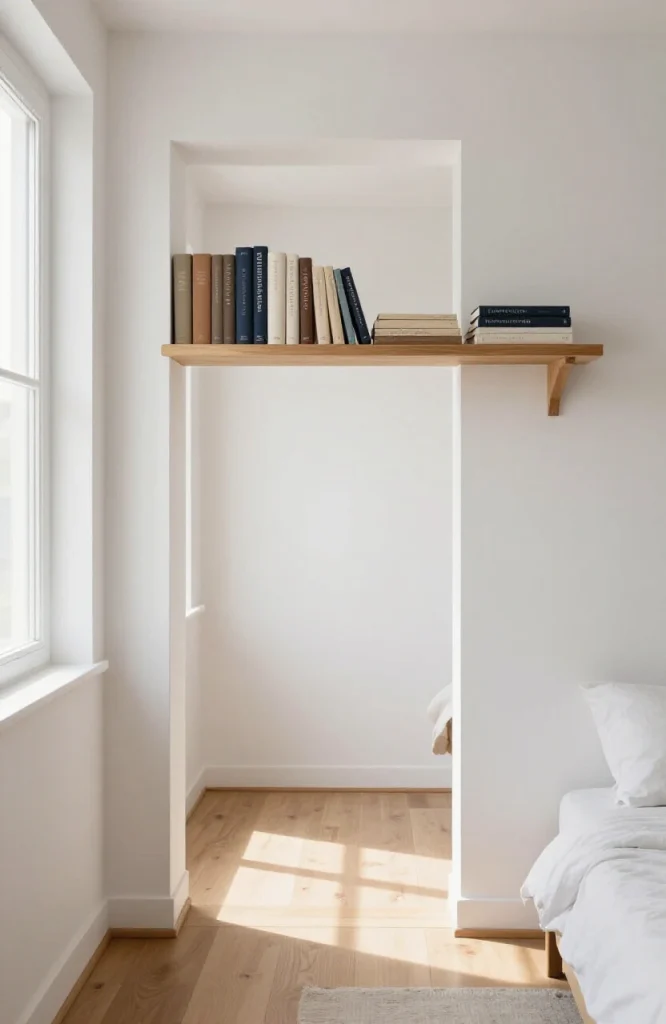
The strip of wall above a door frame is almost always empty, and it can hold a surprising number of books on a simple floating shelf. Mount a shelf 6 to 10 inches above the door trim, leaving clearance for the door to swing without hitting it. This spot works best for books you do not need to grab often, like coffee table books or a curated display row, since reaching them usually requires a step stool. It is a smart fix for hallways, bedrooms, and small bathrooms where every other wall is already in use.
3. Build Into Corners With Triangular Shelving
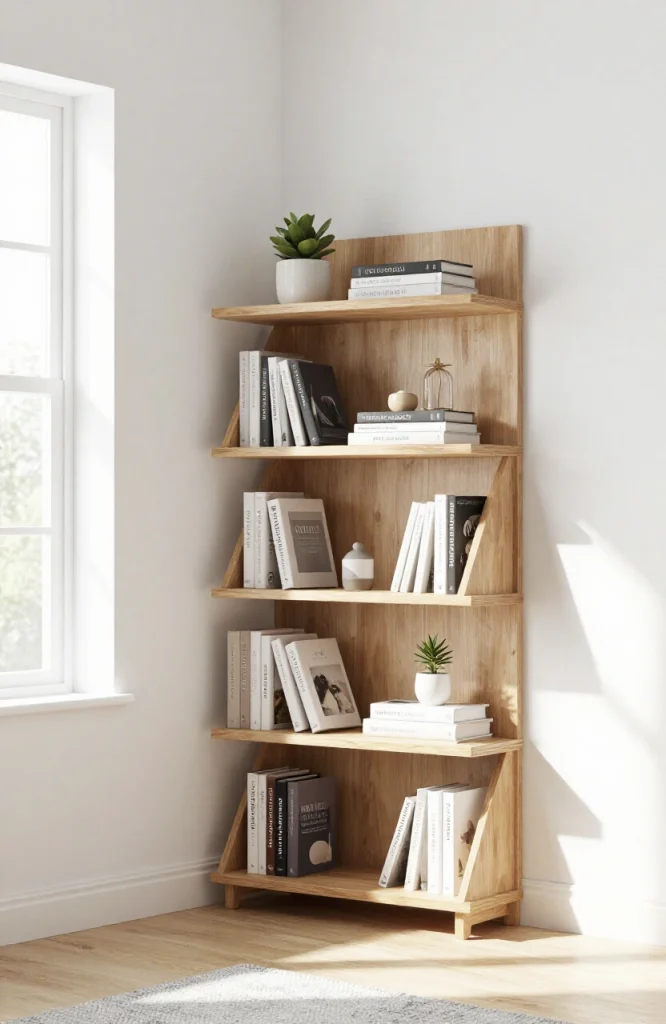
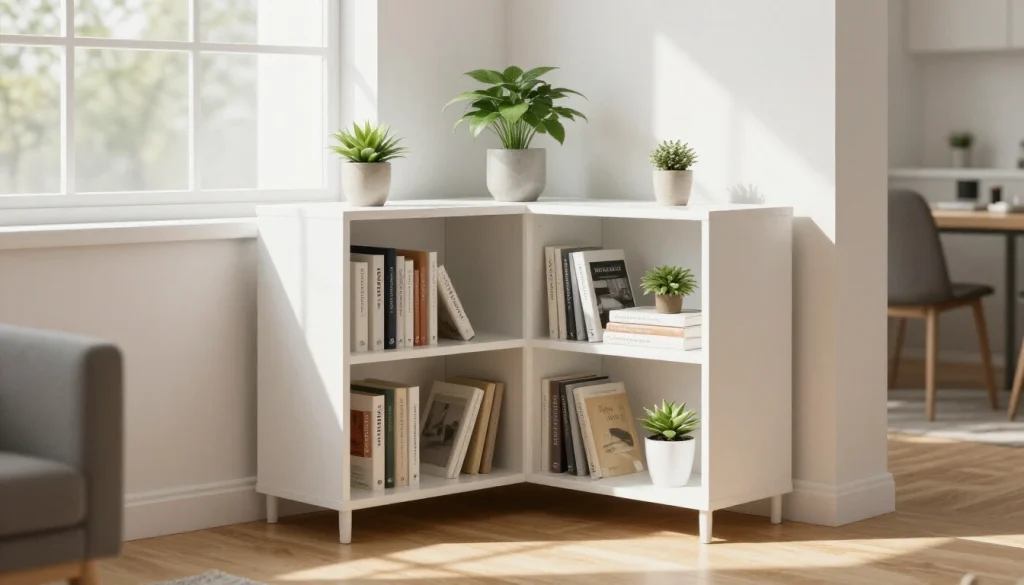
Corners are some of the most wasted real estate in a small room, and a corner bookshelf solves that without eating into usable floor area. Triangular or pie-cut shelving units fit snugly into a 90-degree corner and can run from floor to ceiling. They work especially well in living rooms next to a sofa or in a bedroom beside a desk. If you are handy, a simple DIY version can be built from plywood and L-brackets for under $50, and it will hold significantly more than a standard corner shelf you find at a furniture store.
4. Add a Window Seat With Built-In Storage
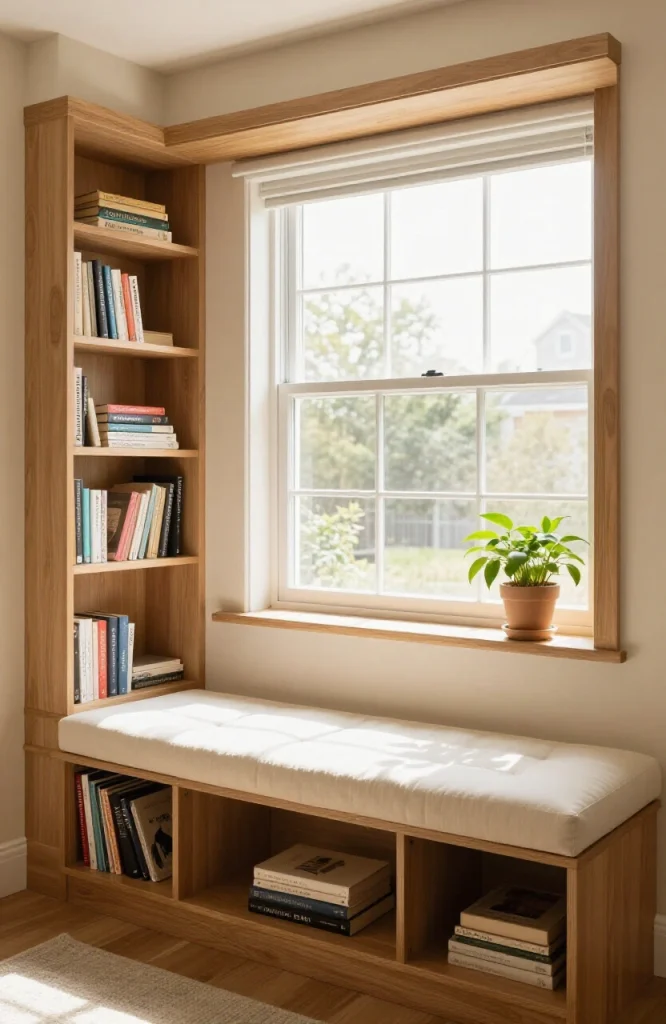
A window seat does double duty as seating and book storage, particularly under a wide window where floor space is otherwise hard to furnish. Build or buy a bench with a lift-top lid or open cubbies underneath, and stack books flat or upright depending on the depth. Pillows on top hide the function and make the nook feel cozy rather than purely practical. This idea suits reading corners, bay windows, and even hallway dead ends where a window lets in light but the floor area is too narrow for a chair.
5. Float Shelves Instead of Using a Full Bookcase
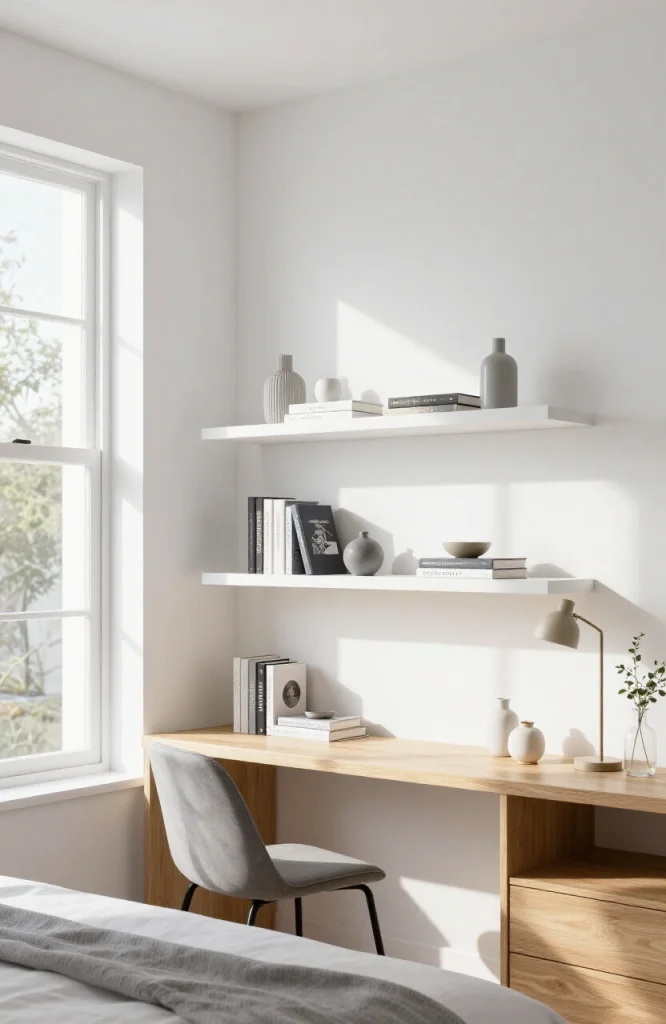
Floating shelves remove the bulk of a bookcase’s frame and legs, which makes a room feel lighter even when the shelves are full. Install them in a staggered or symmetrical grid above a desk, sofa, or bed, keeping at least 8 inches between shelves so spines remain visible. Choose shelves rated for at least 15 pounds per linear foot if you are storing hardcovers, since thin decorative shelves often sag under real book weight. This option is ideal for renters too, since most floating shelf brackets only need a handful of small holes.
6. Repurpose the Back of a Door
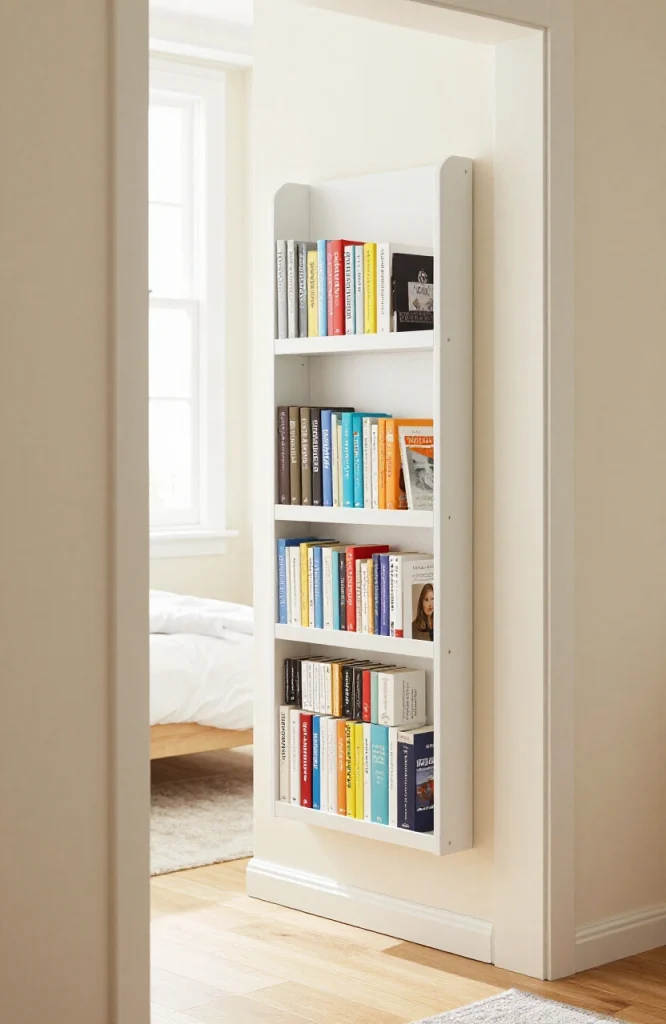
The inside of a closet door or bedroom door is rarely used for anything beyond a hook, but a slim over-the-door shelf unit or a door-mounted rack can hold a row of paperbacks. These units typically sit 3 to 4 inches deep, so they will not interfere with the door closing, and they install without drilling since most hang directly over the top of the door. This works well for kids’ rooms, where younger readers can grab their own books at eye level, and it frees up wall space for other furniture.
7. Turn a Staircase Into Shelving
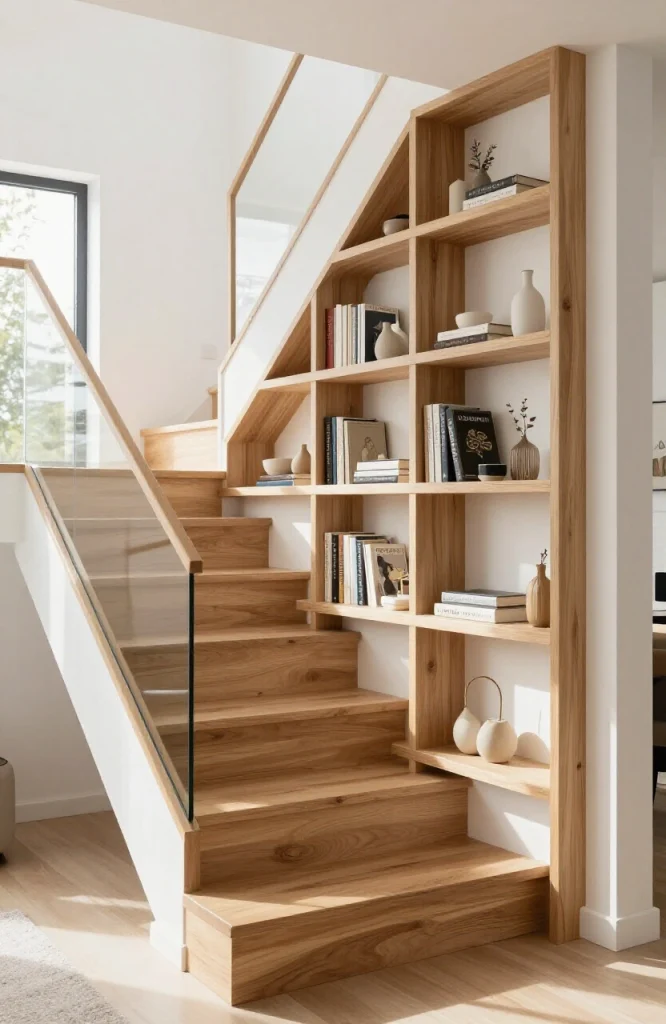
If your home has a staircase, the space under the steps and along the stringer wall is one of the largest untapped storage areas in a small house. Built-in drawers under each step or a wall of shelves running alongside the stairs can hold an entire library without competing with any other room’s layout. This is a bigger project, often requiring a carpenter, but it adds significant value and storage in homes where every room is already at capacity. Even a few open cubbies tucked under the bottom three steps can hold a season’s worth of reading.
8. Use a Bookshelf as a Room Divider
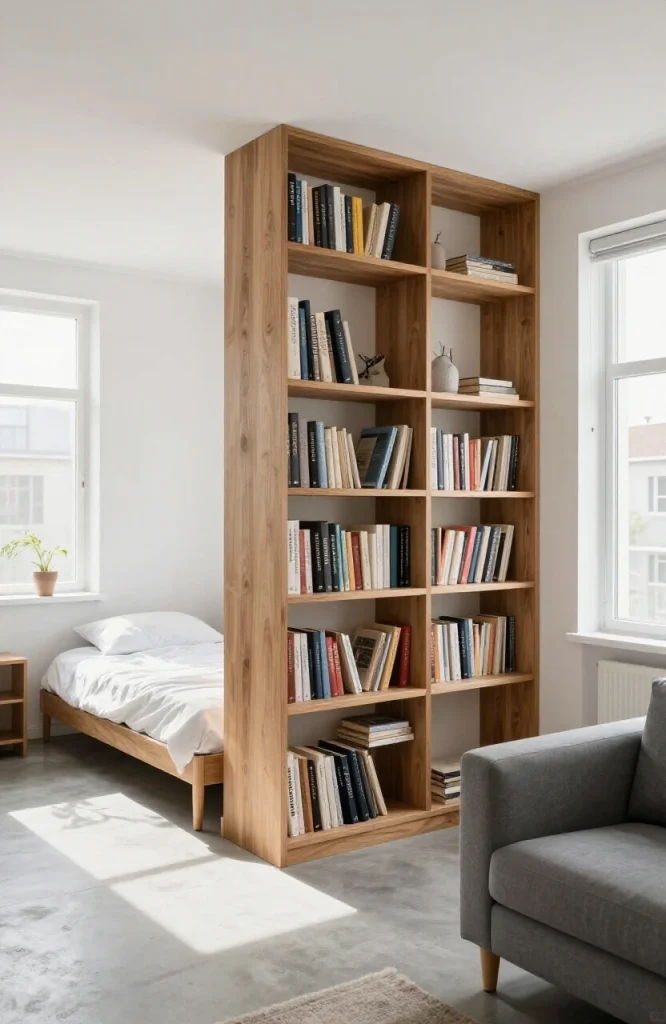
In open-plan apartments or studios, a freestanding bookshelf can separate a sleeping area from a living area while still letting light pass through if you choose an open-back design. Position it perpendicular to the wall rather than against it, and load the shelves unevenly with a mix of books and small decor so it does not feel like a solid wall. This idea solves two problems at once: it creates a sense of separate rooms and gives you a place to store books that would otherwise pile up on the floor.
9. Install Shelving Around a Headboard
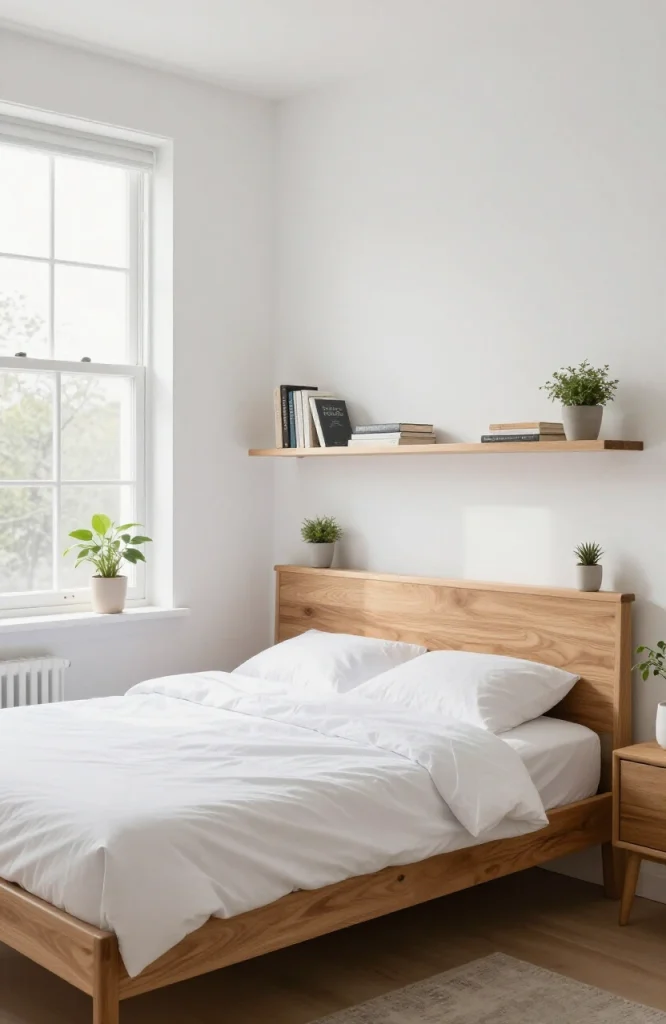
The wall behind a bed is often left bare, but it can support narrow shelves built directly into or around the headboard. A simple ledge running the width of the bed at headboard height keeps nighttime reads within arm’s reach, while taller side shelves flanking the bed add storage without needing nightstands. Keep weight balanced on both sides if you are mounting directly above the pillows, and use shallow shelves, around 5 inches deep, so books do not become a hazard if they slide.
10. Choose Multi-Functional Furniture With Built-In Shelving
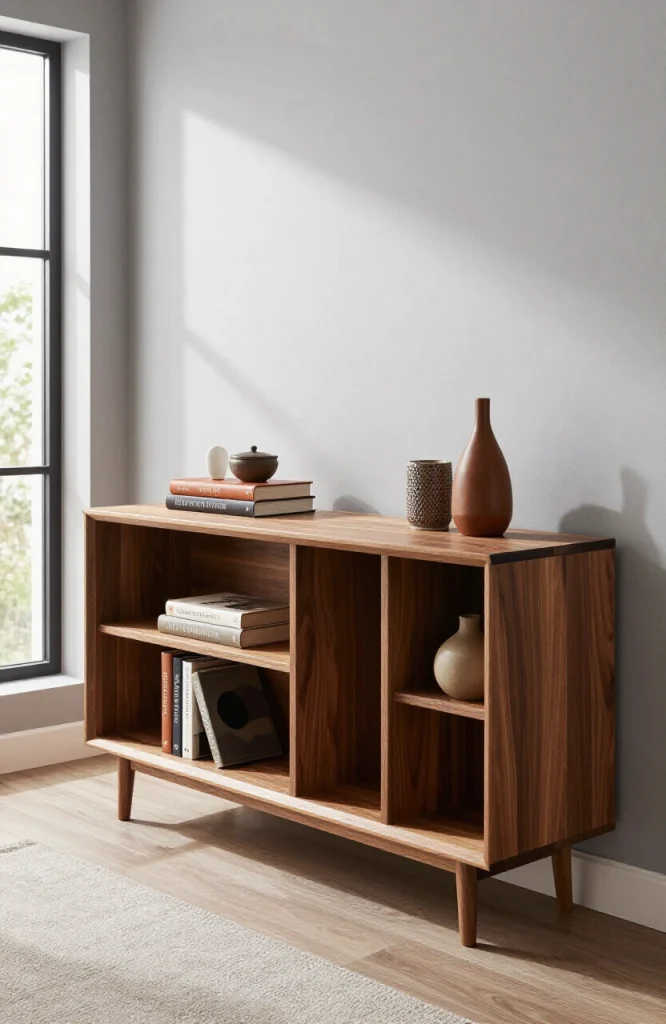
A console table, bench, or TV stand with an integrated bookshelf lets one piece of furniture do the job of two. Look for consoles with open cubbies on the sides or a low bench with shelving built into the base, since these blend storage into furniture you would need to buy anyway. This approach works particularly well in entryways and living rooms where adding a standalone bookcase would crowd the walkway. According to interior designer Emily Henderson, a small home’s biggest enemy is furniture that does only one job. Multi-functional pieces solve that directly.
11. Add a Picture Ledge for Lightweight Display
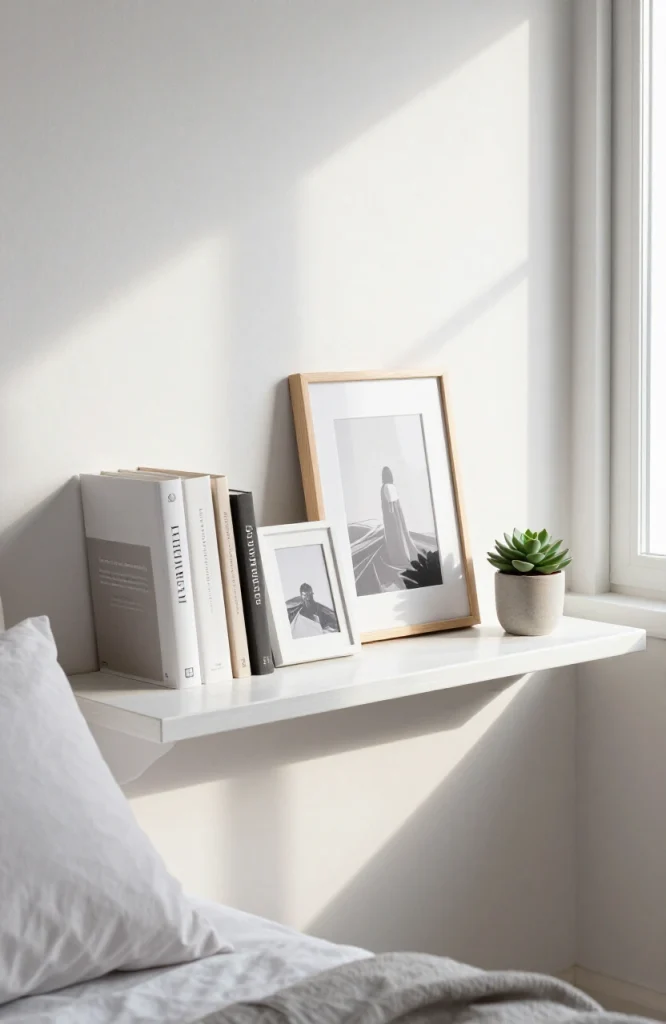
A picture ledge, typically just 3 to 4 inches deep, is designed for leaning frames but works just as well for a curated row of paperbacks or slim hardcovers. Stack a few books flat and lean others against the wall in a casual arrangement, mixing in a small plant or frame for visual rest. This works best for a rotating display of current reads rather than a full library, since the shallow depth limits how many books fit per shelf. Hallways and stairwell walls are ideal spots since the ledge adds visual interest to an otherwise plain wall.
12. Maximize Closet Space With Built-In Shelving
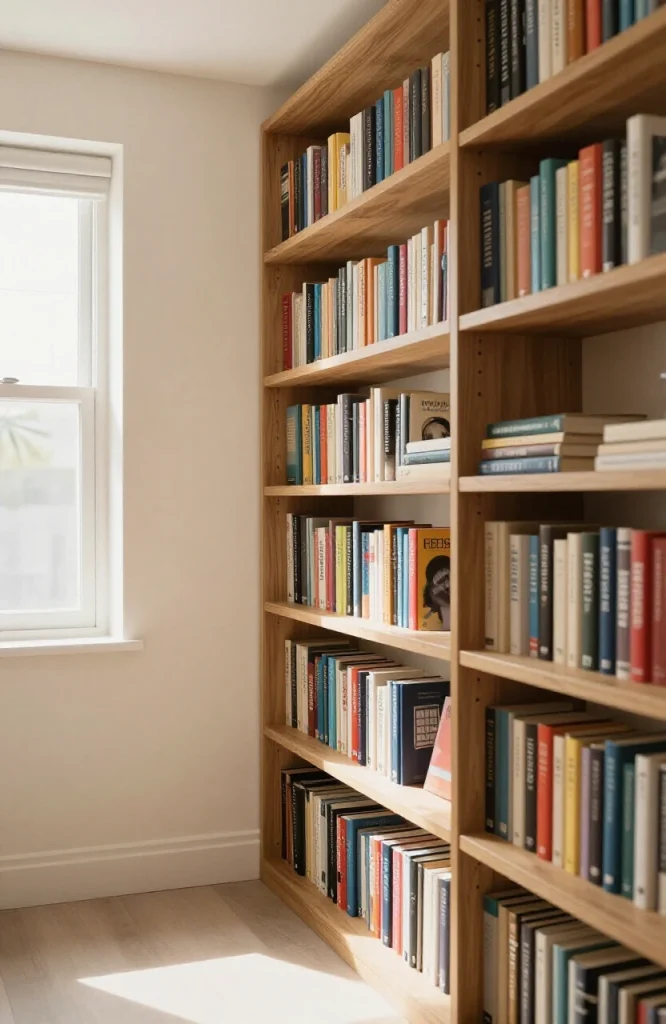
An underused closet, especially one in a guest room or hallway, can be converted into a mini library by removing the rod and adding shelving from floor to ceiling. Adjustable shelf brackets let you customize spacing for different book sizes, and a curtain or bifold door keeps the space tidy when closed. This idea is especially useful in studio apartments where every closet needs to pull more weight than just holding clothes. It also keeps books dust-free and out of direct sunlight, which helps protect covers and pages over time.
13. Use Stackable Cube Shelving for Flexible Layouts
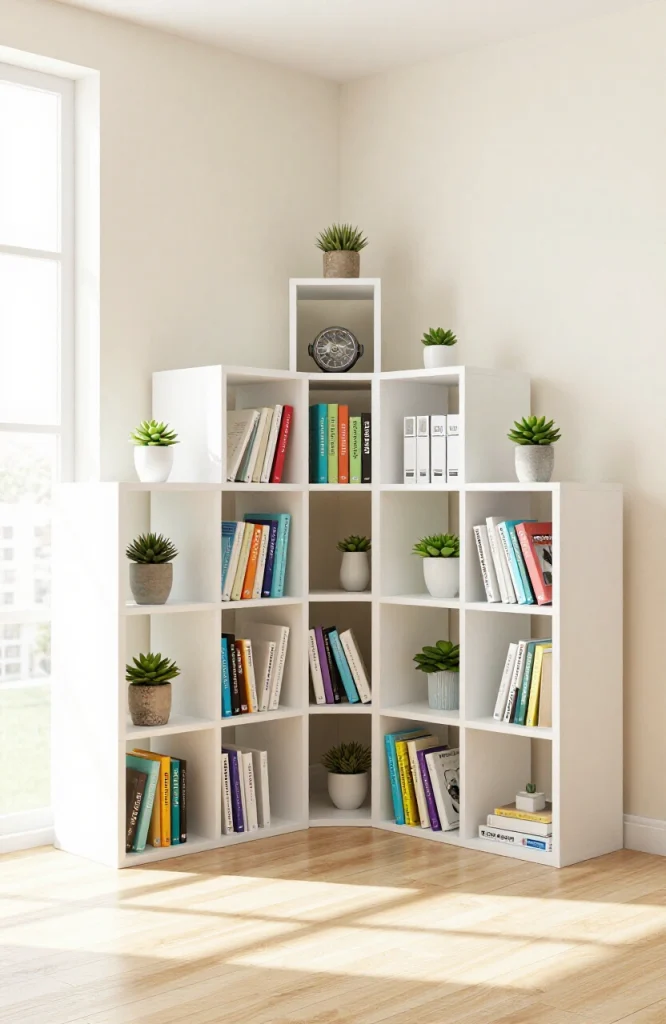
Modular cube shelving units can be arranged in a grid, a tower, or an L-shape depending on the wall or corner you are working with, which makes them one of the more adaptable bookshelf ideas for small spaces. Buy a few extra cubes over time and reconfigure the layout as your collection grows, rather than committing to one fixed bookcase size. Mixing in fabric bins for a few cubes hides clutter like cables or mail, while open cubes stay dedicated to book display. This system suits renters and anyone who expects to move within a few years.
14. Style Shelves by Color or Size to Reduce Visual Clutter
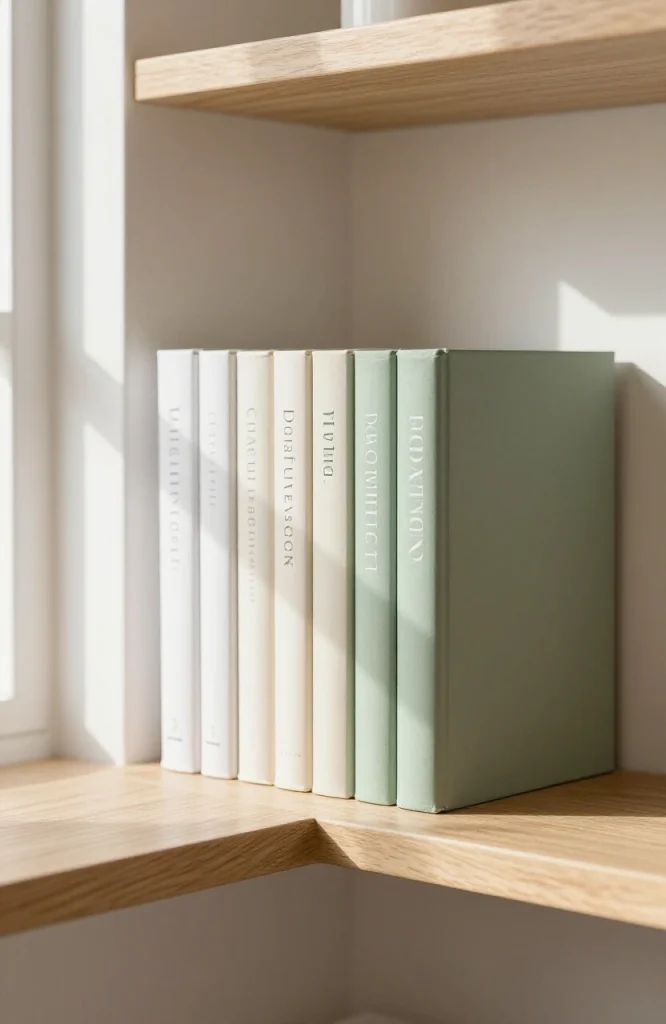
In a small room, a shelf packed with mismatched spines can make the whole space feel busier than it is. Grouping books by color creates a calmer visual line, while organizing by height lets you fit more books per shelf without wasted vertical gaps. Leave a small amount of negative space on each shelf, roughly 10 to 15 percent, rather than filling every inch, since a packed shelf reads as cluttered even when the books are tidy. This single styling shift often makes a small bookshelf look intentional rather than crammed.
15. Rotate and Declutter to Keep Storage Sustainable
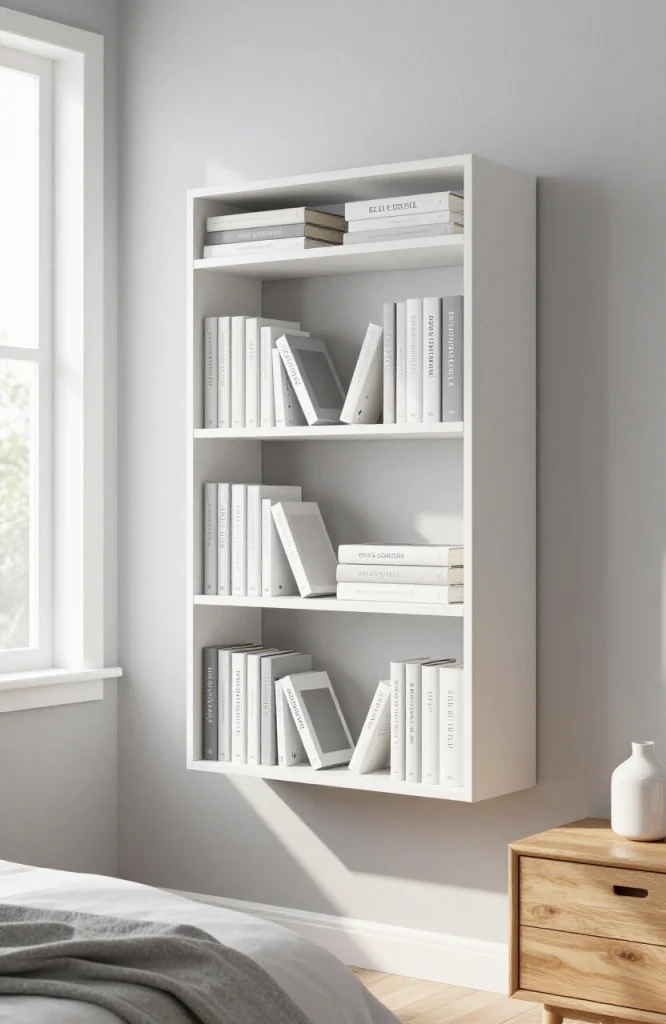
No bookshelf idea works long term if the collection keeps growing faster than the shelf space. Set a seasonal rule, such as donating or selling one box of books every few months, to keep storage from overflowing onto the floor. Storing a portion of your collection in under-bed bins or a closet and rotating titles in and out keeps display shelves fresh without requiring more furniture. Libraries and used bookstores make this easy, since you can pass along books once you have read them instead of keeping every title indefinitely.
16. Compare Shelving Types Before You Buy
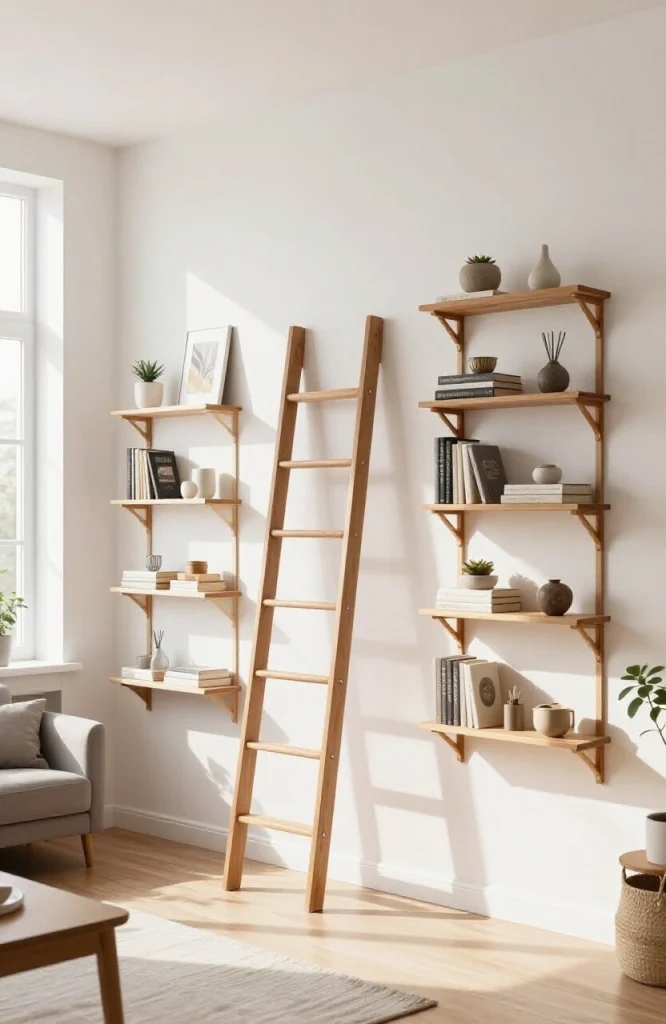
Different shelving styles suit different rooms and budgets, so it helps to compare them side by side before committing to one option.
| Shelving Type | Best For | Approx. Cost | Installation |
|---|---|---|---|
| Floating shelves | Renters, small walls | $15–$60 per shelf | Light drilling |
| Tall narrow bookcase | Corners, hallways | $80–$250 | Freestanding |
| Cube storage units | Flexible, growing collections | $100–$300 | Freestanding or stacked |
| Over-door rack | Closet doors, kids’ rooms | $20–$50 | No drilling |
| Built-in closet shelving | Studio apartments | $150–$600 | Moderate carpentry |
| Window seat with storage | Reading nooks | $200–$700 | Moderate carpentry |
Use this table as a starting point, then weigh it against your room’s layout, your budget, and whether you plan to move in the next year or two.
Final Thoughts on Small-Space Bookshelf Ideas
The right bookshelf ideas for small spaces rarely come from one big purchase. They come from stacking small decisions, a floating shelf here, a corner unit there, a closet converted into a mini library, until every wall is working for you instead of sitting empty. Start with the spots you already walk past every day, since those are usually the easiest wins. Once you have covered the obvious walls, look at furniture you already own and ask whether it could hold books too. A small space does not mean a small library. It just means being more deliberate about where every shelf goes.
If you are also rethinking other parts of your living room layout, our guide on decorating an open floor plan covers how to use furniture, including bookshelves, to define separate zones. And if you are setting up a workspace in a tight apartment, these rental-friendly home office ideas include several no-drill shelving tricks that pair well with the ideas above.