
For years, my tree looked the same every December: red and gold ornaments pulled from a bin, string lights wound on however they landed, a topper shoved on last. It looked fine. It also looked like I hadn’t made a single decision about it.
The trees that actually stop people at the door almost always start with one choice made before a single ornament comes out of storage: a theme. Not a rigid set of rules, just a direction, so the colors, textures, and ornaments you buy or reuse all pull in the same direction instead of fighting each other.
Here are 22 Christmas tree decorating ideas covering nearly every style, budget, and living situation, so you can pick one that actually fits how you live and what you already have on hand.
1. Modern Heritage Tree

This is the biggest decor direction for 2026, and it works just as well on a tree as it does in a living room. Mix inherited or vintage glass ornaments with clean, modern string lights (warm white, evenly spaced, no multicolor) and a simple ribbon in one solid tone. The contrast between old pieces and a tidy modern base is what sells the look, so resist the urge to add anything trendy on top of it.
2. Coastal Tree
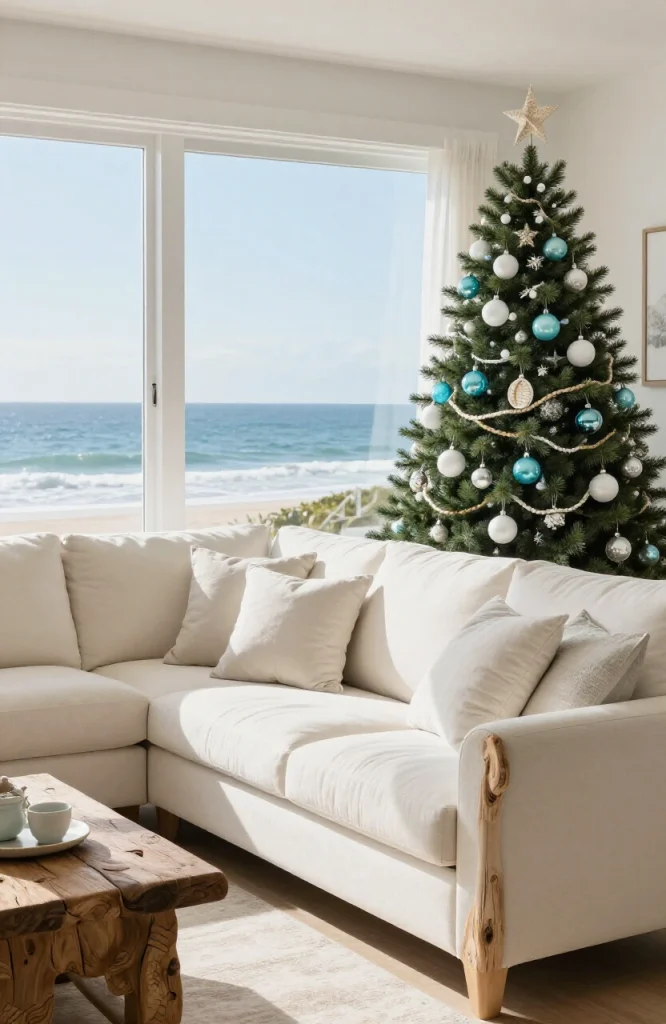
Lean into blue, white, and sandy neutrals with a driftwood or shell-topped star. Rope garland stands in for tinsel, and a few oversized glass ball ornaments in ocean blue keep it from feeling too beachy-kitsch. Skip red entirely here; even one red ornament will pull the eye away from the palette.
3. Boho Tree
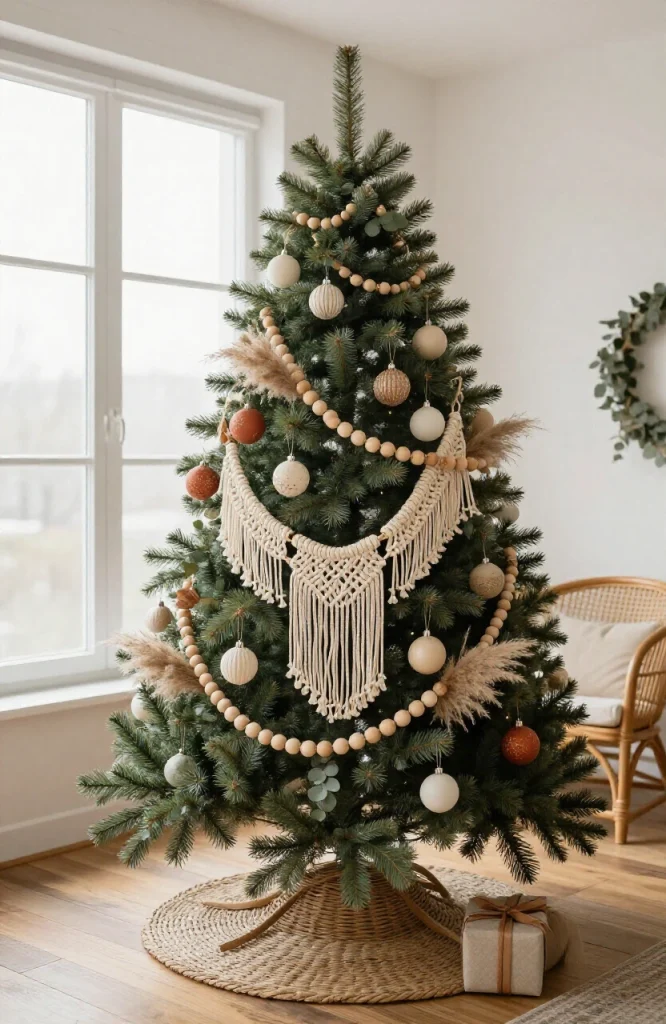
Swap tinsel for macramé garland or a strand of wood beads, and add dried florals like baby’s breath, pampas grass, or eucalyptus tucked directly into the branches. Stick to warm neutrals: cream, terracotta, sage. A cluster of dried orange slices near the base doubles as decor and smells like the season.
4. Traditional Red & Gold Tree
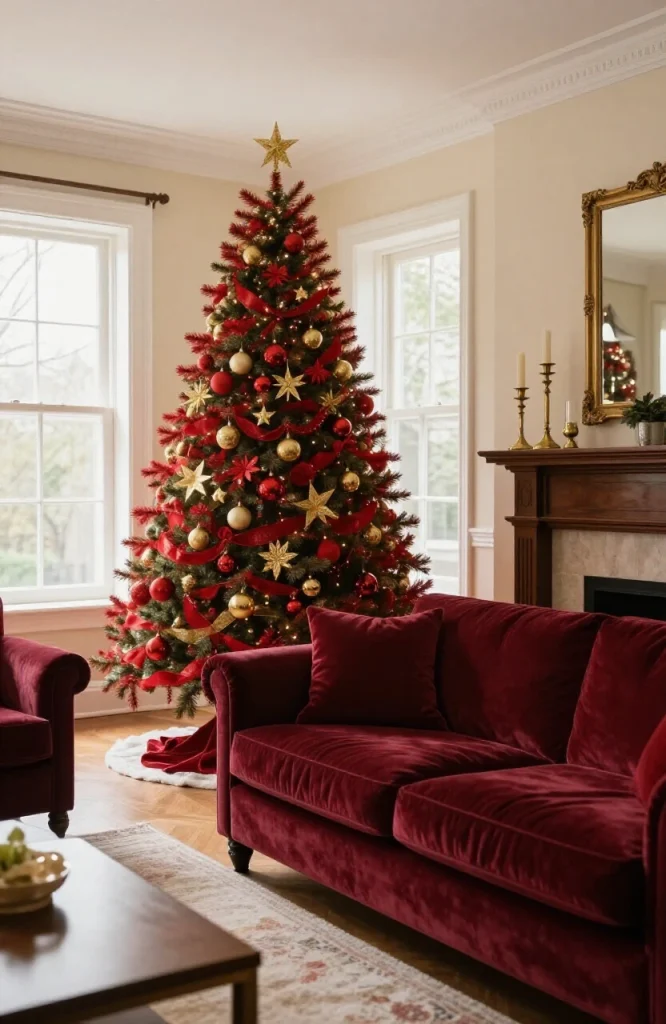
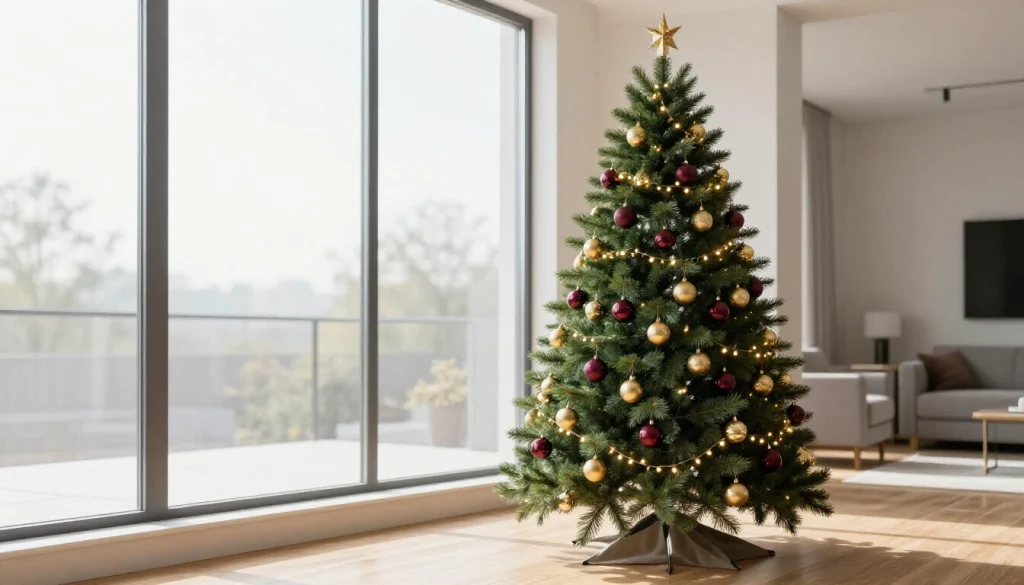
Sometimes the classic look is the right call, especially if you’re decorating for family who expect it. The trick to making it feel intentional rather than default is limiting yourself to two or three ornament finishes (matte, glossy, glitter) instead of grabbing every red-and-gold piece you own. Layer thin gold ribbon through the branches before you hang a single ornament.
5. Woodland Tree
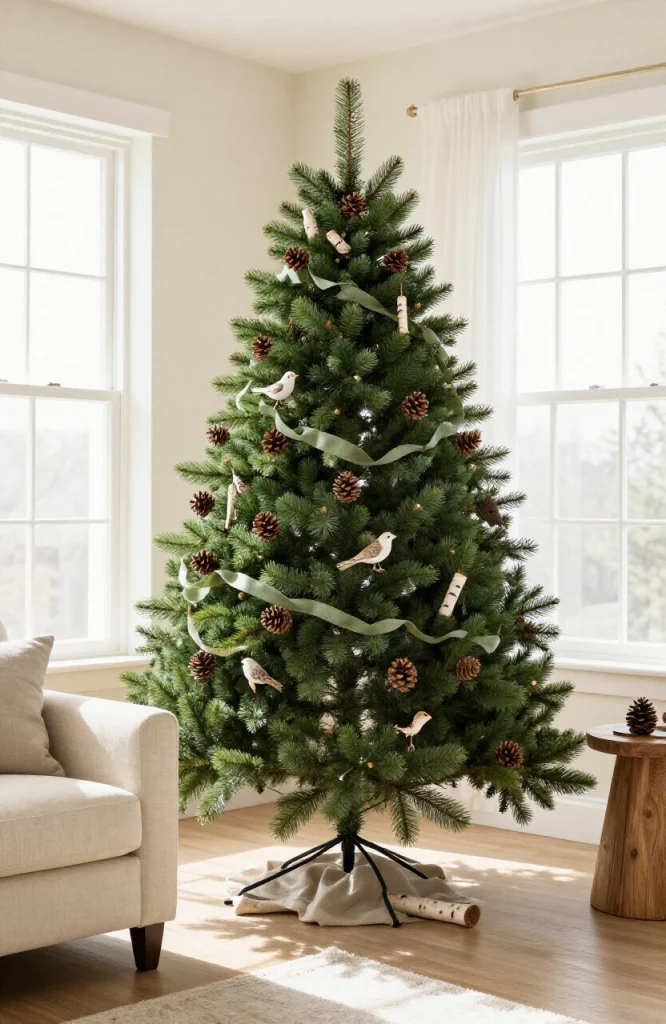
Pinecones, faux birds clipped onto branches, birch bark accents, and a heavy dose of greenery-toned ribbon create a tree that looks like it came out of a forest, not a big-box store. Use only warm white lights here; cool white reads sterile against natural materials.
6. Glam Tree
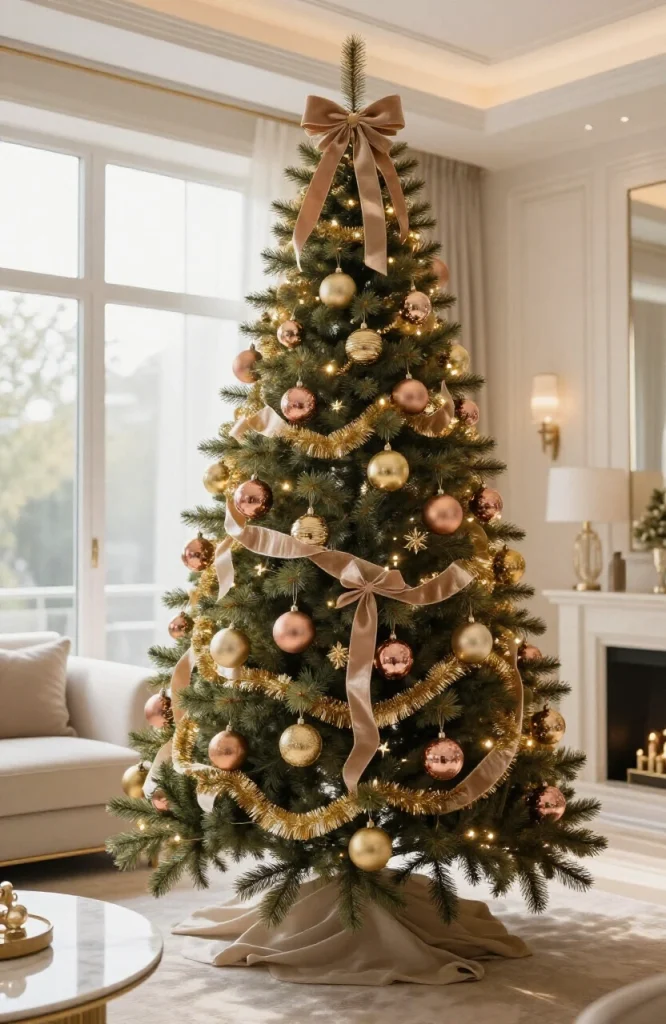
Oversized metallic ornaments (gold, rose gold, or bronze), wide velvet or satin ribbon threaded in loose loops, and chunky tinsel garland instead of thin strands. Go bigger than feels comfortable on ornament size; a glam tree reads flat when the pieces are too small for the branches.
7. Monochrome Tree
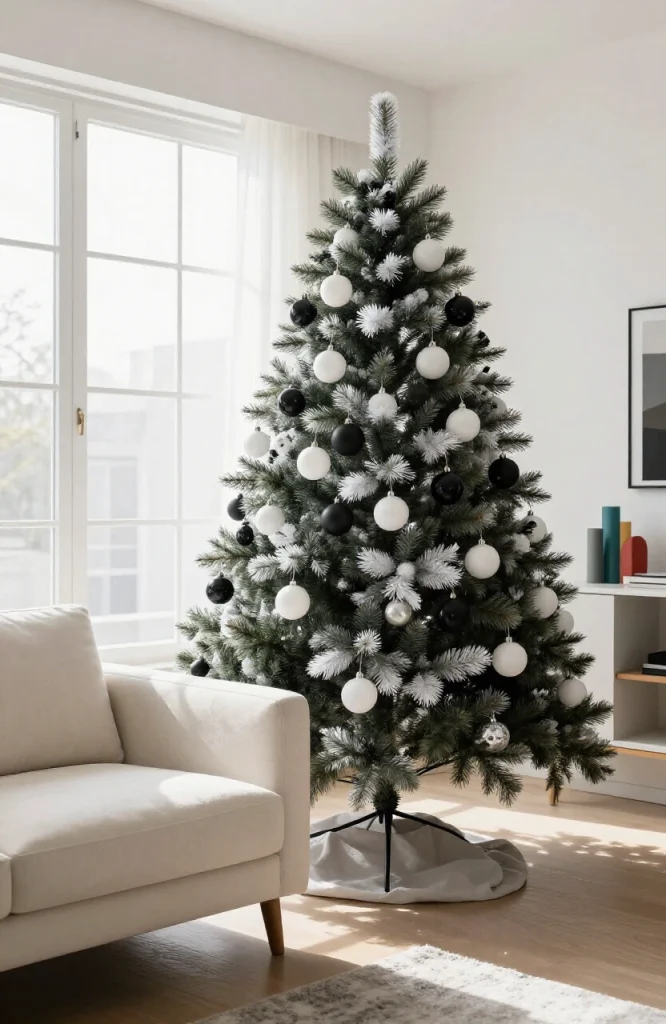
An all-white tree, or a mix of black and white ornaments on a green tree, photographs beautifully and looks strikingly modern in a room full of color elsewhere. White flocking spray on the tips of the branches sells the look before you even add ornaments.
8. Jewel Tone Tree
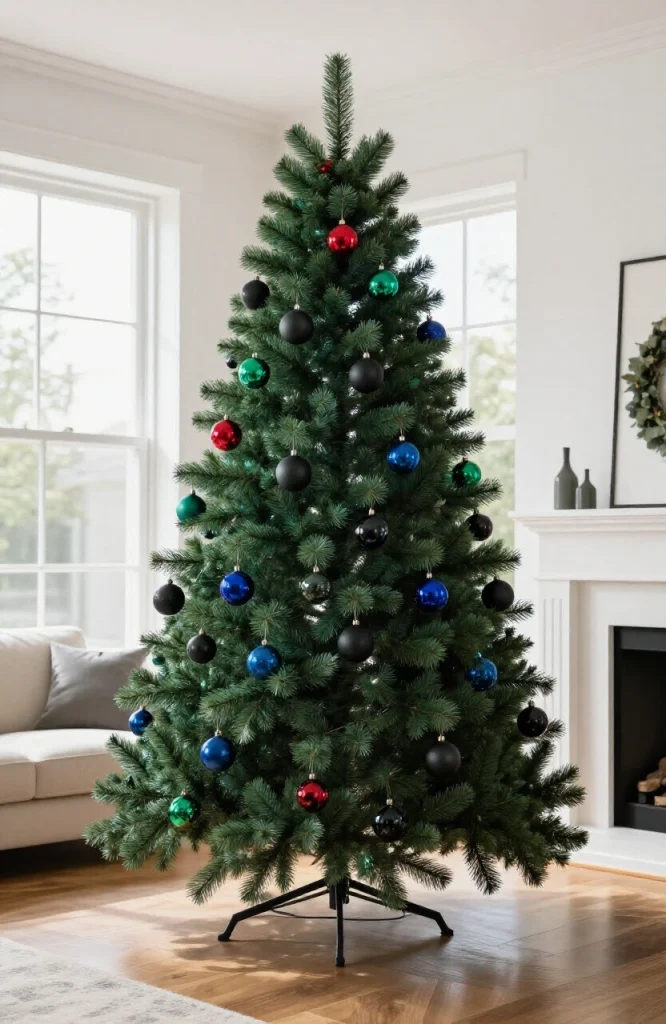
Emerald, sapphire, and ruby ornaments against a dark green or flocked tree feel rich without going full traditional red-and-gold. Add a few matte black ornaments to keep the jewel tones from feeling too candy-bright, and use warm white lights rather than colored ones.
9. Pastel “Candy” Tree
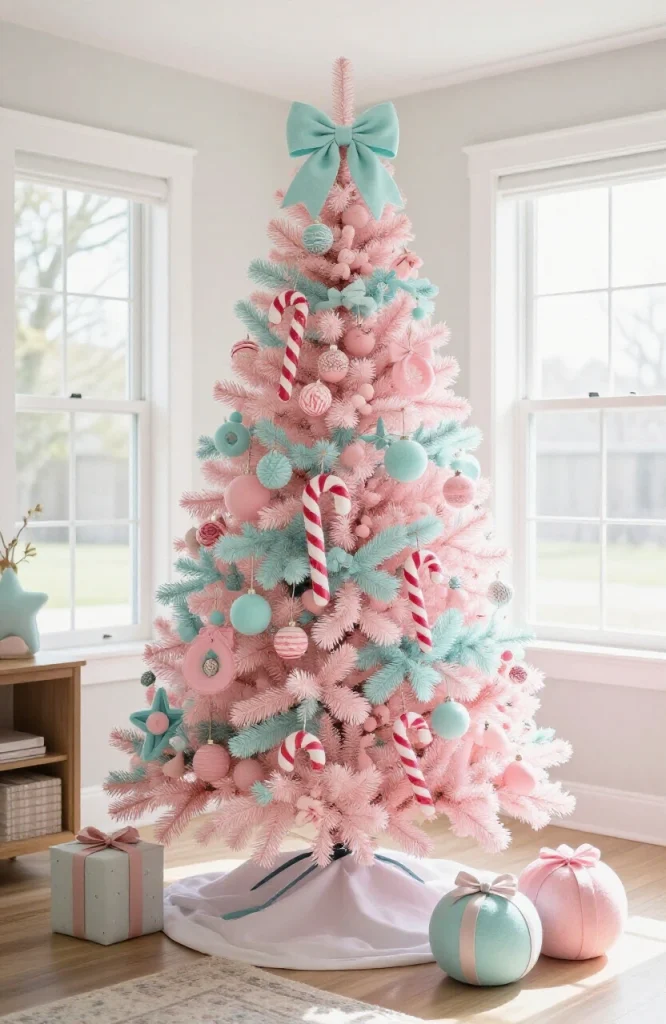
Soft pinks, mints, and light blues make for a playful, kid-friendly tree that still looks put-together. Candy cane stripes, felt ornaments, and a fabric bow topper fit this palette well. This is one of the easiest themes to build around a dollar-store haul, since pastel ornaments are usually the cheapest option on the shelf.
10. Vintage or Retro Tree
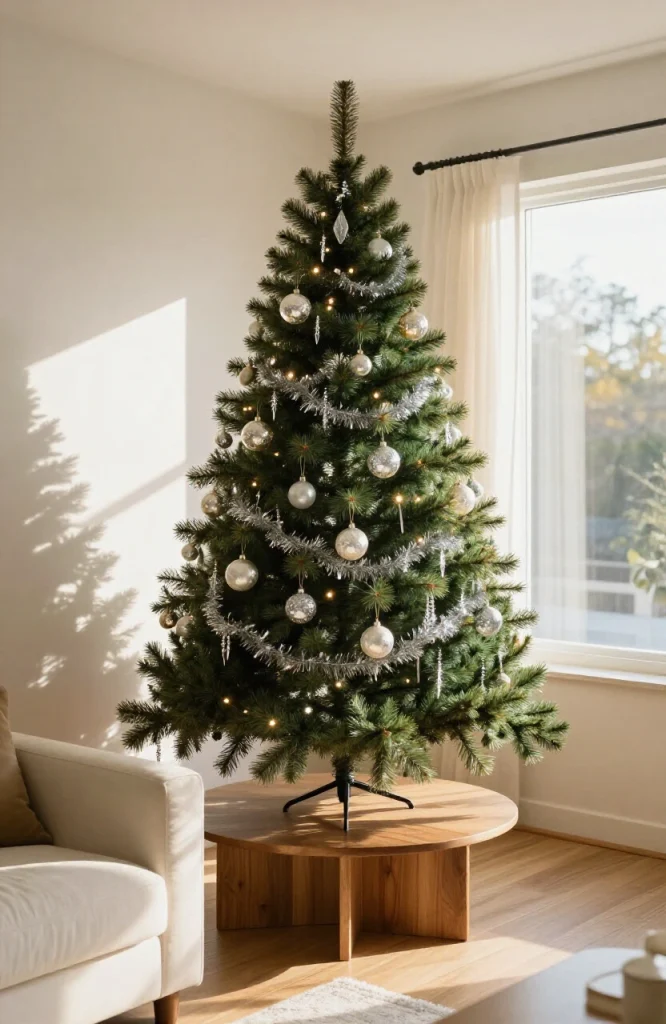
Mercury glass ornaments, tinsel icicles, and old-fashioned bubble lights (or LED versions that mimic them) create genuine nostalgia rather than a “vintage-inspired” knockoff feel. If you have ornaments from a grandparent or thrift store finds with visible wear, this is the theme built for them.
11. Rainbow Maximalist Tree
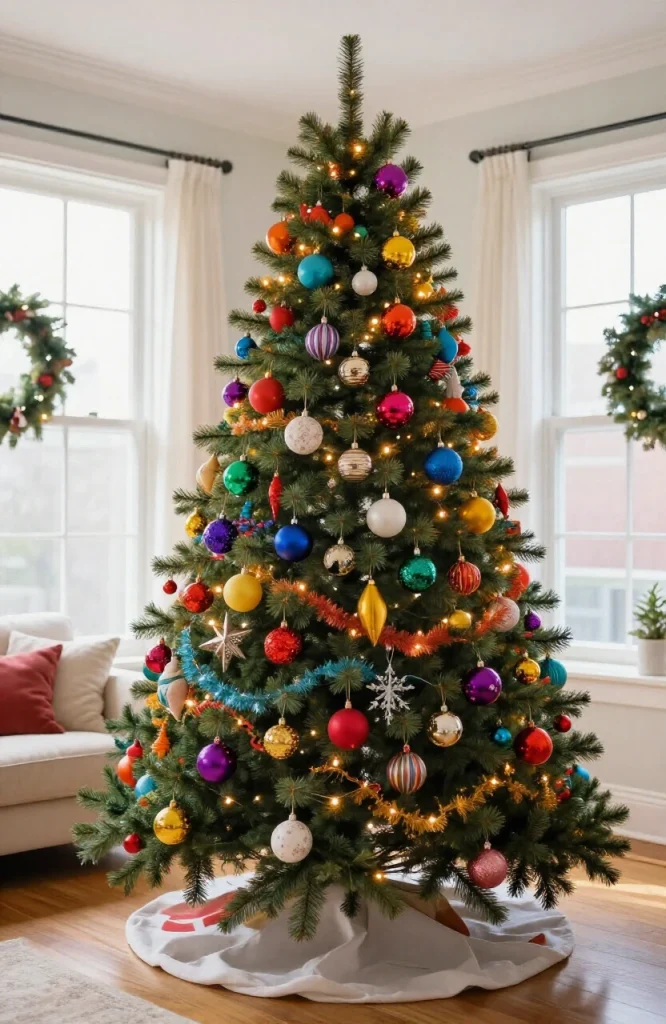
Every color, layered ornaments front to back, mismatched garlands stacked on top of each other. This one is for readers who find the “less is more” advice exhausting during the one season built for excess. The only rule: distribute colors evenly rather than clumping all the reds on one side and all the blues on another.
12. Flocked “Winter Wonderland” Tree
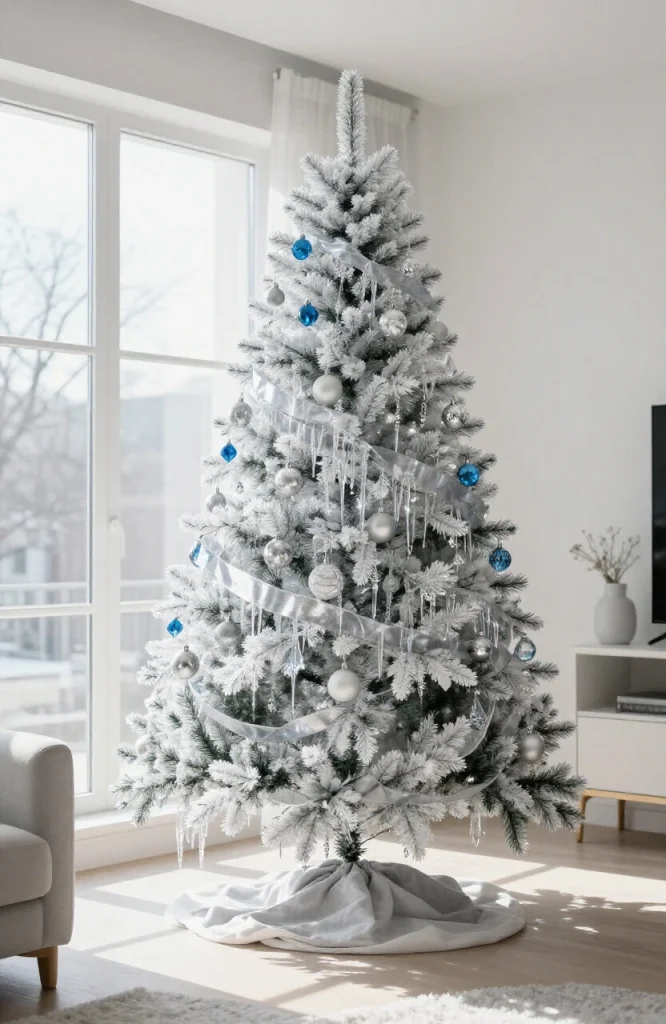
A flocked or heavily “snowed” tree paired with silver, icy blue, and crystal ornaments looks like it’s mid-snowfall even in a warm climate. Add clear icicle ornaments and a silver ribbon woven loosely through the branches rather than wrapped tight.
13. Upside-Down Tree
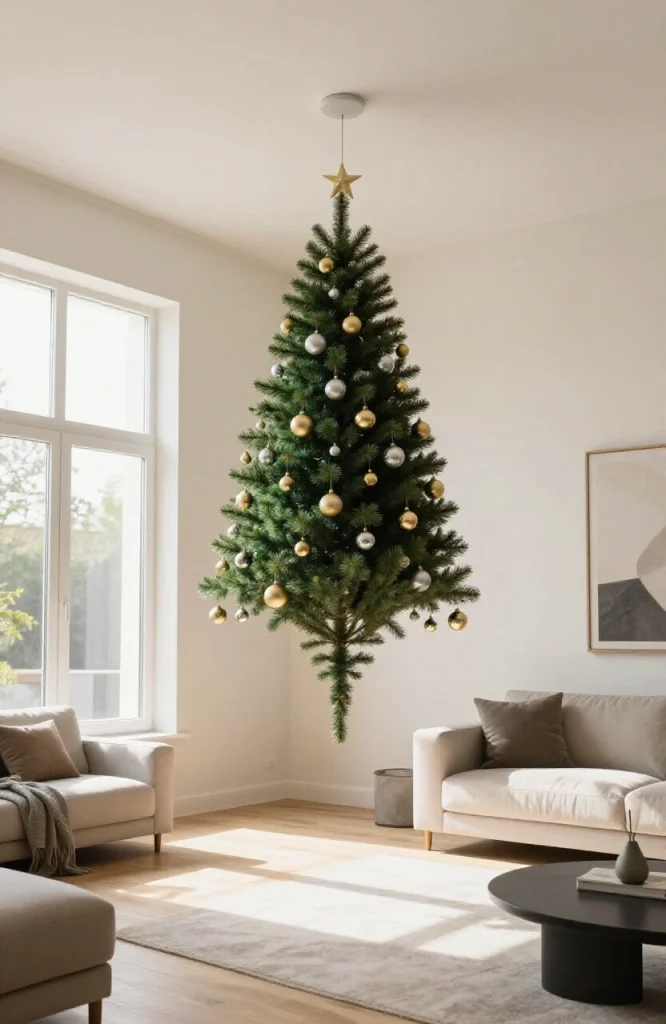
A genuinely practical option if you have a dog with an active tail or toddlers who treat low branches as a snack bar. Hanging the tree point-down (either from the ceiling or on a stand designed for it) keeps ornaments and lights out of reach while still looking intentional rather than like a compromise.
14. Alternative Trees for Small Spaces
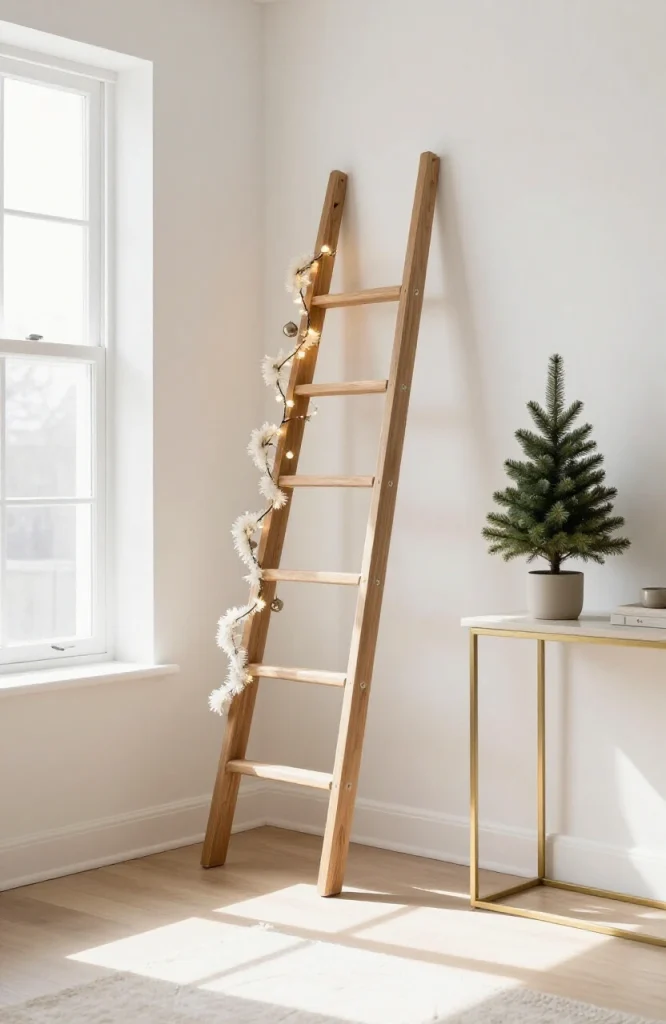
A wall-mounted tree made from string lights or wood slats, a tabletop tree on a console, or a corner ladder styled with garland all solve the same problem: a full-size tree simply doesn’t fit. We’ve got a full breakdown of small-space and apartment tree options coming soon if this is the category you’re shopping in.
15. Personalized “Story” Tree
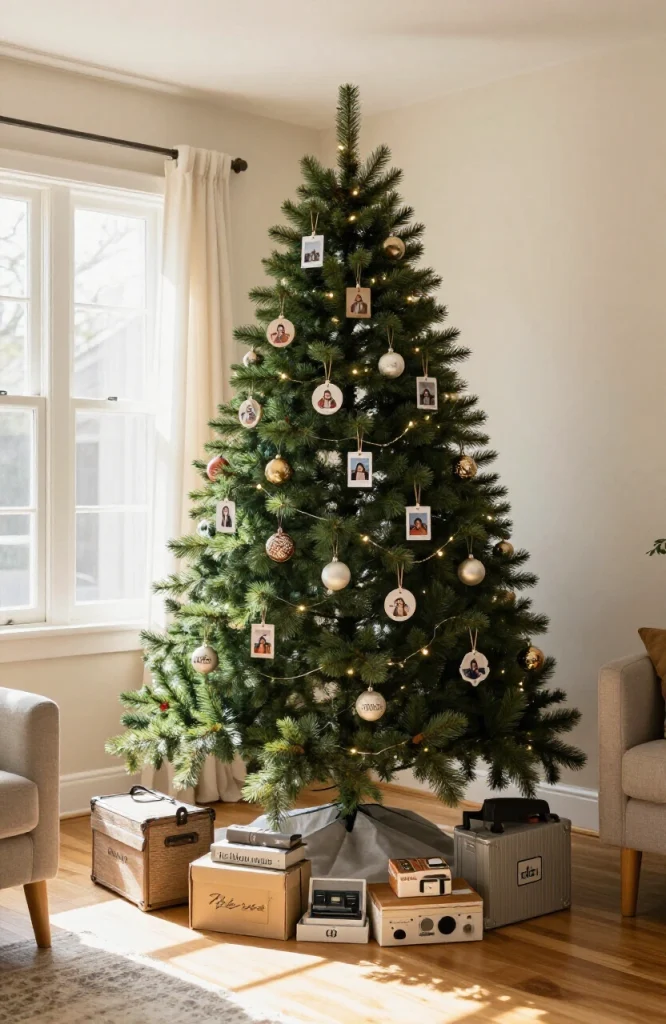
This is quietly one of the biggest shifts in holiday decorating right now: trees built entirely around milestone ornaments, travel souvenirs, and family photo baubles instead of a matched set from a store. It won’t look as “coordinated” as the other trees on this list, and that’s the point. Group similar ornament types together (all photo ornaments on one side, all travel pieces on another) so the mix still reads as intentional.
16. Pet-Friendly Tree
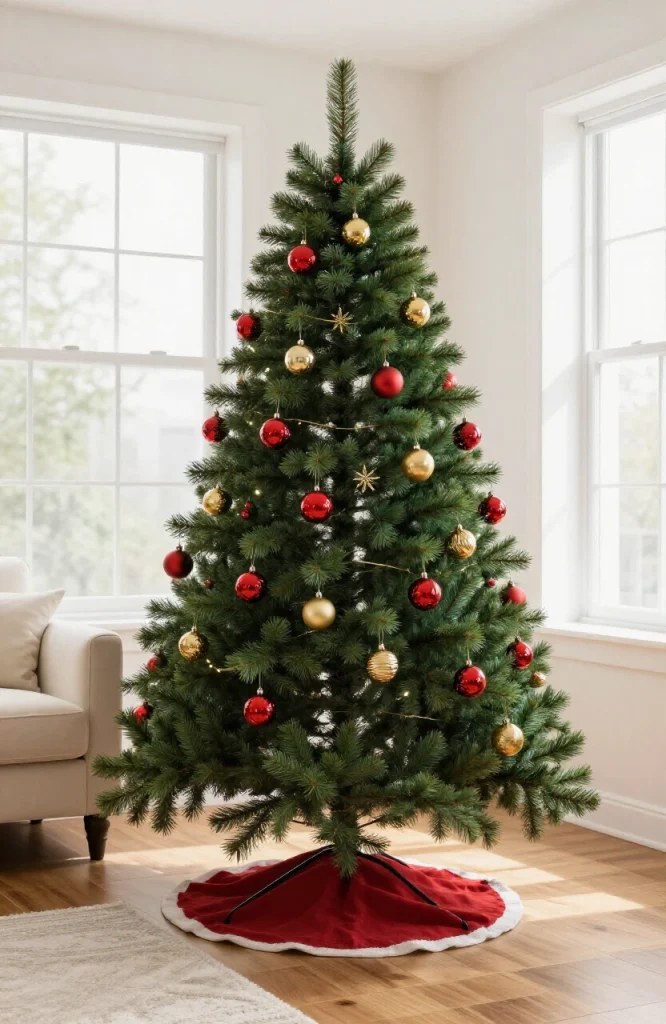
Shatterproof ornaments on the bottom third of the tree, a weighted or anchored base, and avoiding tinsel, ribbon, or anything stringy that a curious cat could swallow. We’ll be covering this one in more depth soon, but the short version is: keep breakables and anything edible-looking up high, and everything low and dangling should survive a swat.
17. Natural or Sustainable Tree
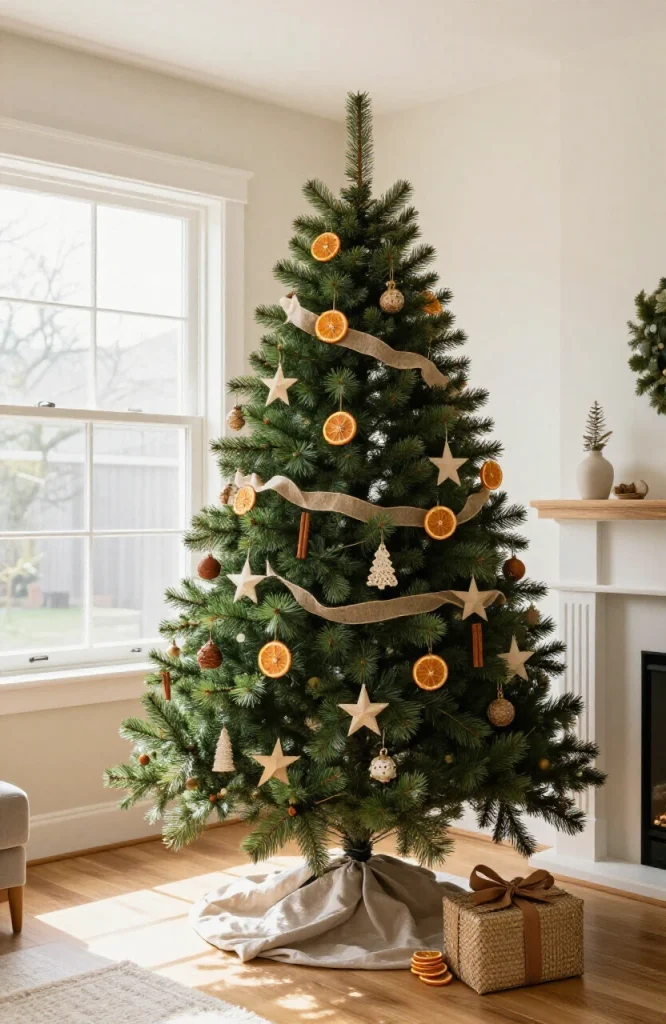
Dried orange slices, cinnamon stick bundles, paper star ornaments, and cotton or jute ribbon replace plastic and glitter entirely. This theme costs very little if you’re comfortable making your own ornaments, and it’s one of the few trees that smells as good as it looks.
18. Color-Drenched Tree
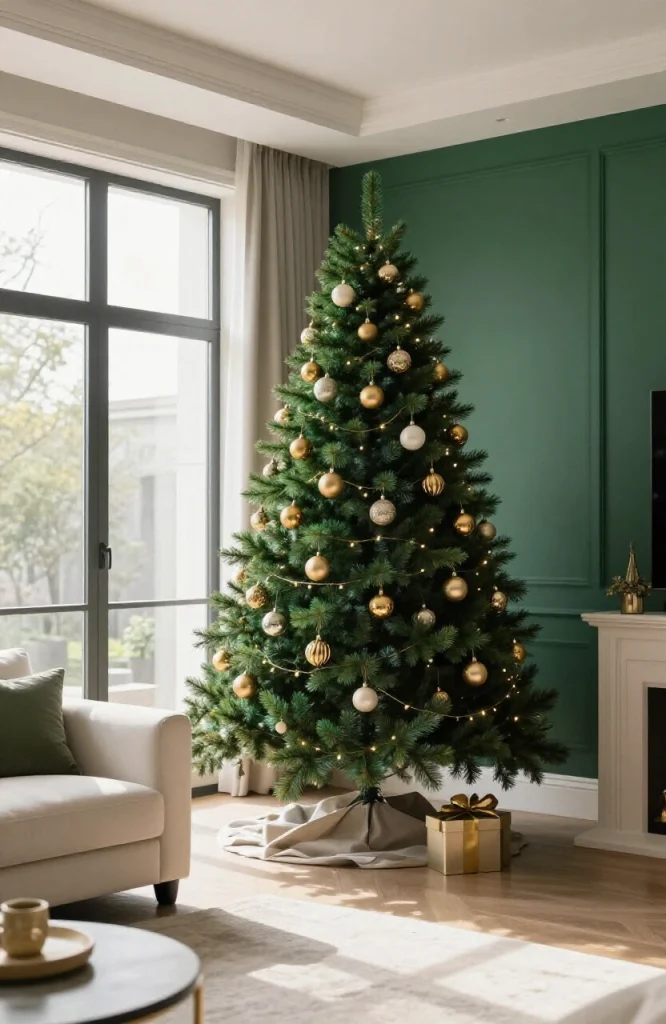
Instead of picking a “Christmas palette,” match your tree to the wall color of the room it’s standing in. A tree in front of a deep green wall gets green and gold ornaments; a tree against a warm terracotta wall gets rust, cream, and brass. It’s a direct extension of the “color drenching” trend showing up in living rooms and kitchens this year, just applied to a tree instead of a wall.
19. Scandinavian Tree
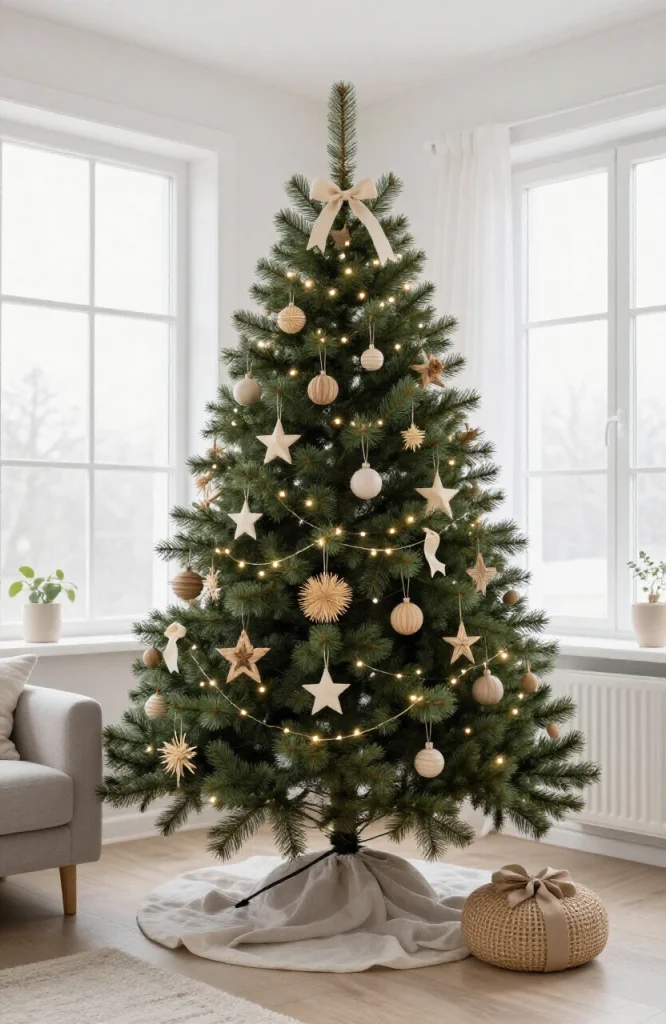
Sparse rather than packed, with natural wood ornaments, straw stars (a traditional Nordic ornament called julbock or straw goats), and minimal color beyond warm white lights and cream ribbon. Leave visible gaps between ornaments rather than filling every branch; the restraint is the style.
20. Tropical or Palm Beach Tree
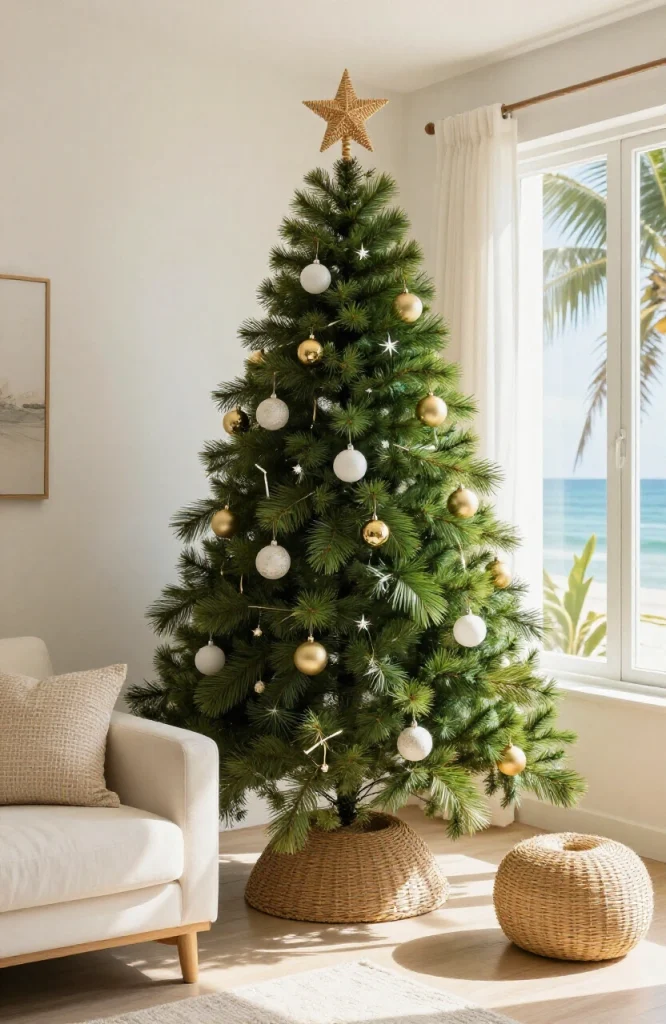
For warm-climate homes that don’t want to force a snowy look that doesn’t match the view outside. Palm frond picks, citrus ornaments, rattan or woven star toppers, and a warm gold-and-white palette bring in the season without pretending it’s cold outside.
21. Dark Academia Tree
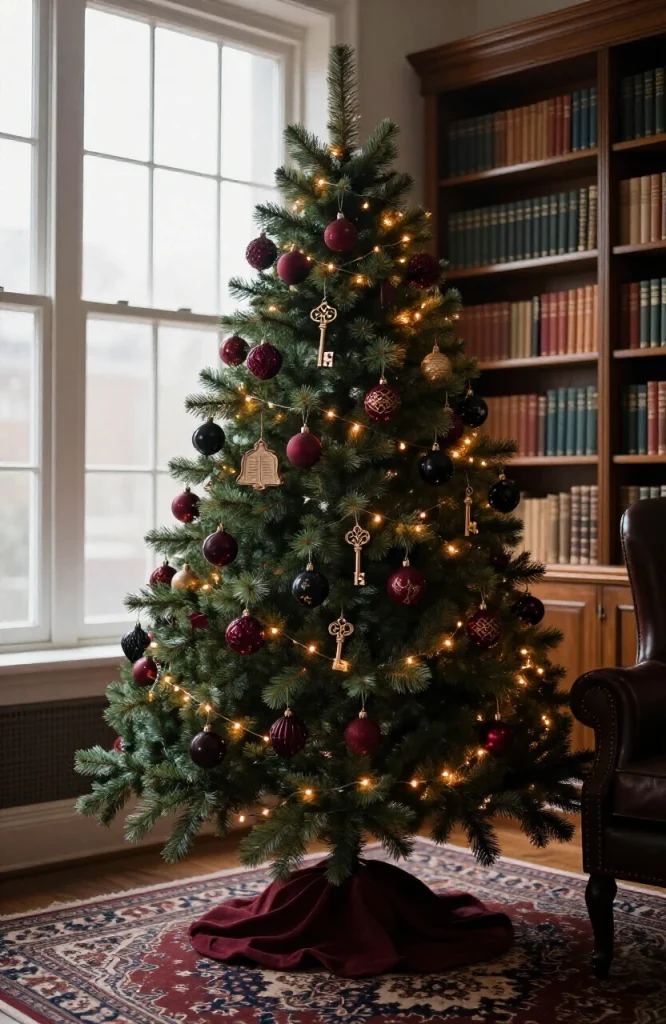
Deep burgundy, black, and antique gold ornaments with warm, low-glow lighting rather than bright white. Adding a few small book-shaped or vintage-key ornaments leans into the aesthetic without tipping into costume territory.
22. Whimsical Kids’ Tree
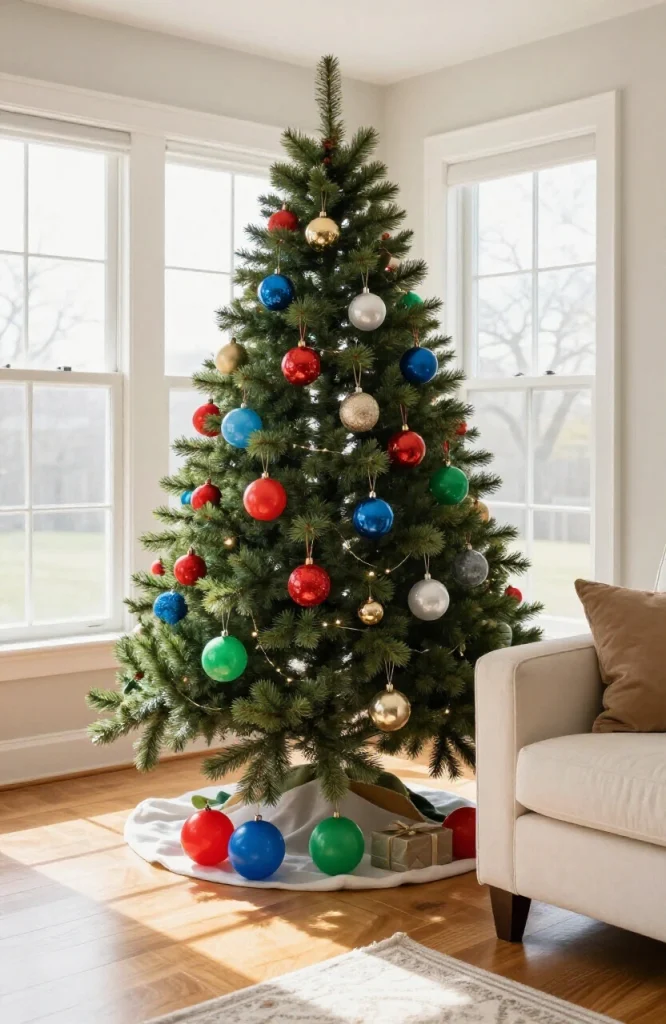
A dedicated “kid zone” on the lower third of the tree, decorated entirely with unbreakable ornaments the kids pick and hang themselves, works better than trying to keep a fully coordinated tree off-limits. A storybook or gingerbread-house topper signals that this branch of the tree is meant to be touched.
Picking (and Combining) a Theme
You don’t have to commit to exactly one of these. A Modern Heritage base with a personalized ornament collection layered in, or a Scandinavian tree with a kids’ zone added at the bottom, both work fine. The only real rule is to decide on your palette and one or two defining materials before you start hanging anything, so you’re not troubleshooting a mismatched tree halfway through a Saturday afternoon.
If you’re working with a small apartment or a tree that has to come down and go right back into storage within a few weeks, it’s worth reading through our guide on storing Christmas decorations in a small apartment before you buy anything new, so you know what you actually have room to keep.
Frequently Asked Questions
How do I choose a Christmas tree theme?
Start with the room the tree will sit in, not the tree itself. Pull your palette from the wall color, existing furniture, or a favorite holiday memory, then pick two or three materials (glass, wood, fabric, dried florals) to build around. Limiting your materials keeps a theme from sliding into a random mix of whatever ornaments were on sale.
How many ornaments does a 7-foot tree need?
As a general guide, plan for 100–150 ornaments of varying sizes on a full, densely decorated 7-foot tree, plus 700–1,000 mini lights. Sparser styles, like the Scandinavian or Modern Heritage trees above, can use half that and still look finished.
What’s the trending Christmas tree color for 2026?
Warm, earthy tones are leading the way this year: rust, olive, and warm gold are replacing the cooler silvers and icy blues that dominated recent seasons. Jewel tones and Modern Heritage’s mix of vintage and modern pieces are close behind.
Can I mix two tree decorating styles?
Yes, and it often looks more personal than sticking to one. The easiest combinations share a color family (like Boho and Natural/Sustainable, which both lean into warm neutrals) or split the tree by section, such as a coordinated top two-thirds with a kids’ zone at the bottom.