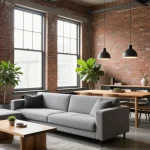

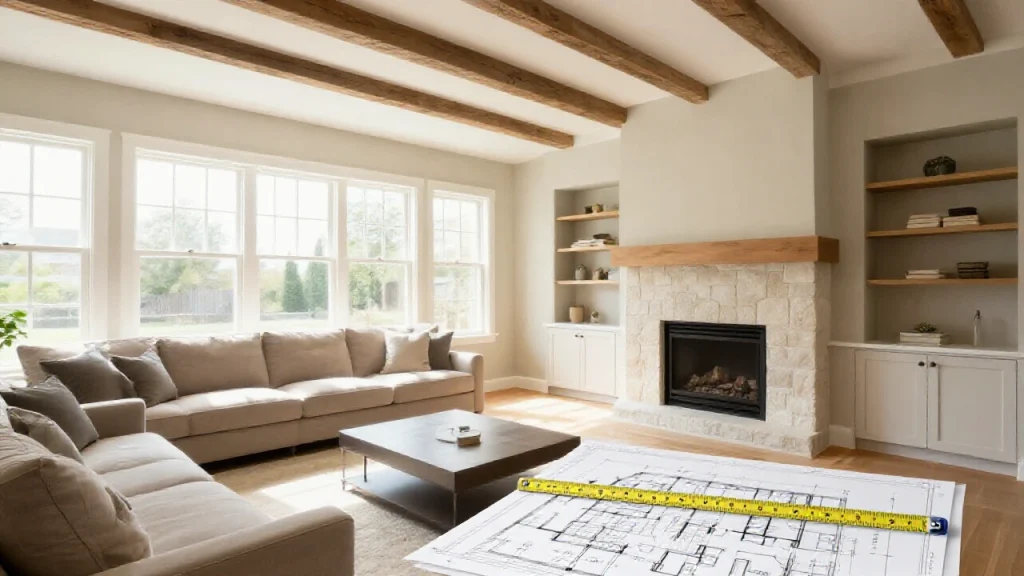
The foundation of exceptional living room decor begins with understanding your space’s unique characteristics and potential. Every living room has distinct architectural features, natural light sources, and traffic flow patterns that influence design decisions. Start by measuring your room dimensions, noting ceiling height, window placement, and existing fixtures. Consider how family members move through the space and identify primary functions your living room must serve.
Room proportions play a crucial role in furniture selection and arrangement. Large, open living rooms can accommodate sectional sofas and multiple seating areas, while smaller spaces benefit from streamlined furniture and clever storage solutions. Take note of architectural elements like fireplaces, built-in shelving, or exposed beams that can serve as focal points in your decor scheme.
Assess your room’s natural lighting throughout different times of day. South-facing rooms receive abundant sunlight, allowing for bolder color choices, while north-facing spaces may require lighter hues and strategic artificial lighting. Understanding these fundamentals ensures your living room decor enhances rather than fights against your space’s inherent qualities, creating a harmonious and functional environment.
1. Choosing the Perfect Color Scheme and Paint
Color selection forms the backbone of your living room decor, setting the mood and creating visual cohesion throughout the space. Begin by identifying your preferred color temperature: warm tones like terracotta, golden yellows, and rich reds create cozy, inviting atmospheres, while cool blues, grays, and greens promote calm, sophisticated environments. The 60-30-10 rule provides an excellent framework: use a dominant neutral for 60% of the room, a secondary color for 30%, and a bold accent color for the remaining 10%.
Consider your living room’s natural lighting when selecting paint colors. Rooms with limited natural light benefit from lighter, warmer shades that reflect available light and create airiness. Conversely, sun-filled spaces can handle deeper, more saturated colors without feeling overwhelming. Test paint samples on different walls and observe them at various times of day before making final decisions.
Neutral color schemes offer timeless appeal and flexibility for seasonal decor changes. Shades like warm white, soft gray, or creamy beige provide sophisticated backdrops that allow furniture, artwork, and accessories to shine. For those preferring bolder approaches, consider accent walls in rich jewel tones or dramatic dark colors to create depth and visual interest while maintaining balance throughout your living room decor.
Recommended: 40 Stunning Modern Farmhouse Living Room Ideas for a Cozy Retreat

2. Essential Furniture Selection and Arrangement
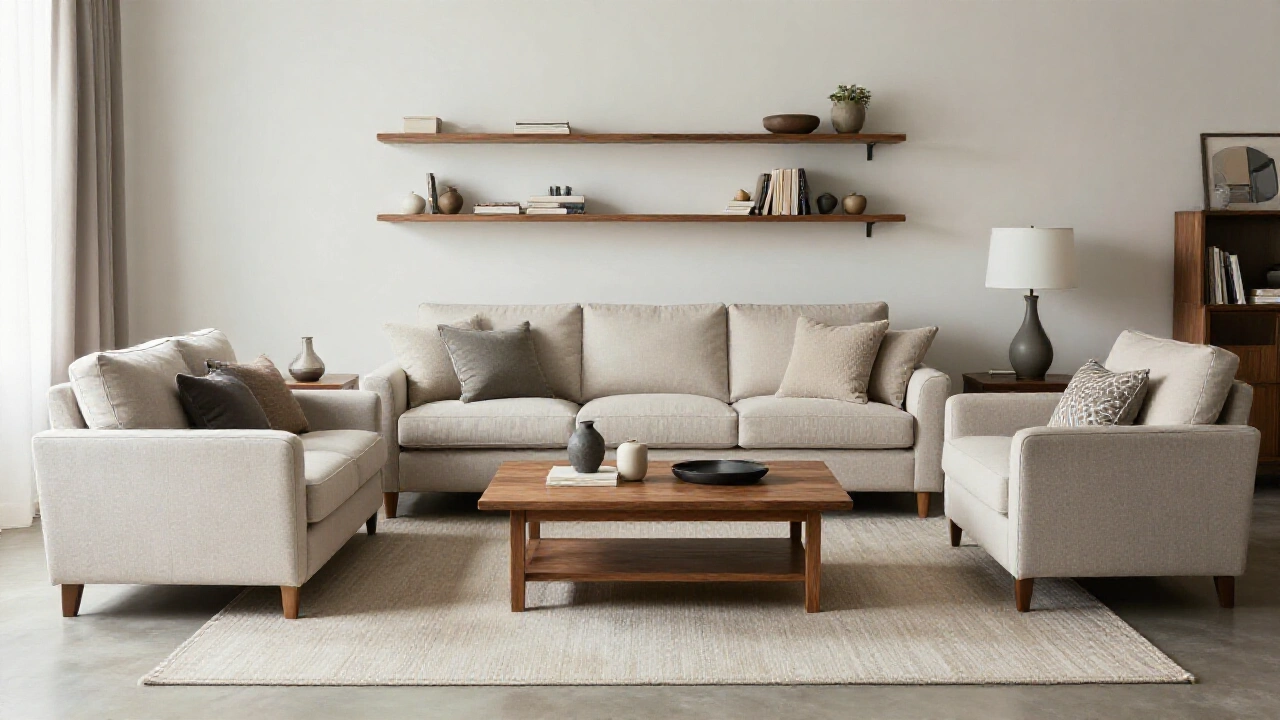
Furniture selection and arrangement significantly impact your living room’s functionality and aesthetic appeal. Start with the largest pieces first, typically the sofa, which often serves as the room’s anchor point. Choose a sofa size proportionate to your space, oversized sectionals work well in large rooms, while apartment-sized sofas or loveseats suit smaller areas. Consider fabric durability, especially with children or pets, and select colors that complement your overall decor scheme.
Create conversation areas by arranging seating to face each other, promoting social interaction and intimate gatherings. The ideal distance between seating pieces ranges from 4 to 8 feet, allowing comfortable conversation without shouting. Include a variety of seating options like armchairs, ottomans, or accent chairs to accommodate different preferences and activities.
Coffee tables and side tables provide essential functionality while contributing to your room’s visual balance. Choose pieces that complement your seating height, coffee tables should sit 16-18 inches from sofas and match seat height. Storage ottomans offer dual functionality, providing seating and organization solutions. Consider traffic flow when positioning furniture, ensuring clear pathways and easy navigation. Layer furniture heights to create visual interest, combining tall bookcases with low media consoles and varied seating heights for dynamic living room decor.
3. Lighting Design and Ambiance Creation
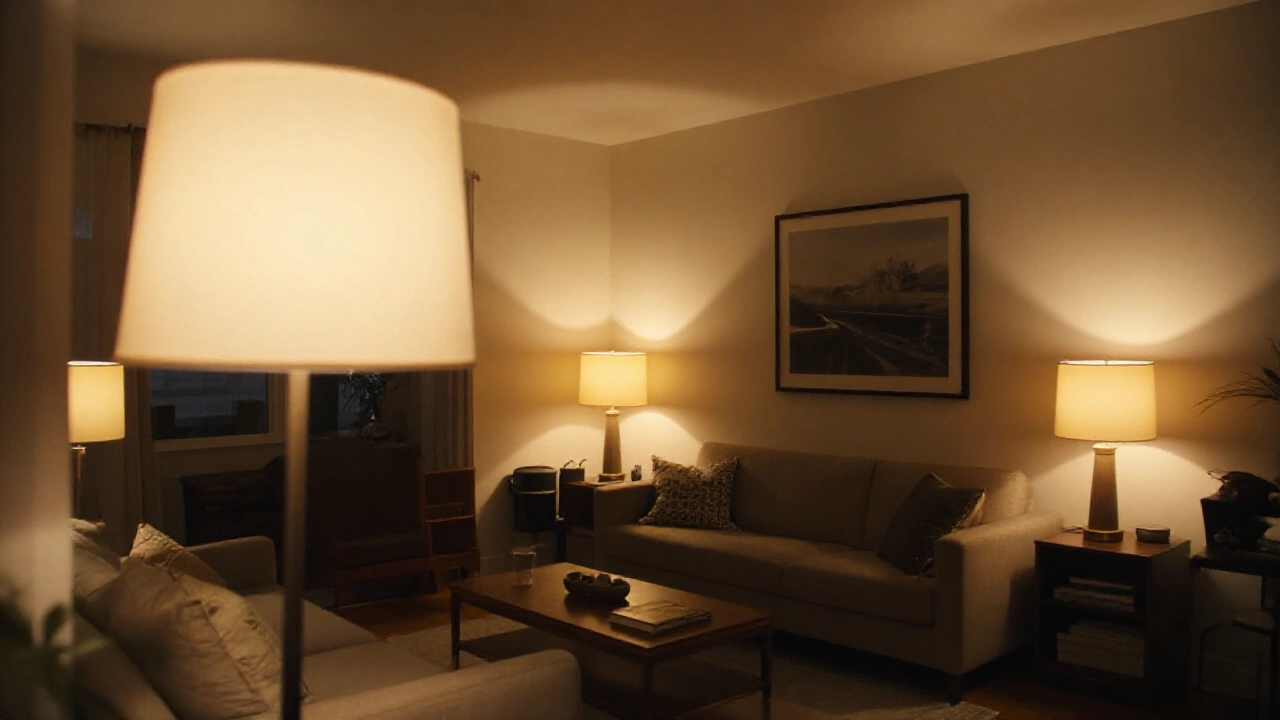
Proper lighting transforms your living room decor from ordinary to extraordinary, creating ambiance while providing necessary illumination for various activities. Layer different light sources to achieve optimal functionality and mood control. Ambient lighting provides general illumination through ceiling fixtures, recessed lights, or large floor lamps. Task lighting focuses on specific activities like reading or working, utilizing table lamps, floor lamps with adjustable heads, or built-in lighting systems.
Accent lighting adds drama and visual interest by highlighting architectural features, artwork, or decorative elements. Use picture lights, wall sconces, or strategically placed spotlights to create focal points and depth. Dimmer switches offer invaluable control over lighting intensity, allowing you to adjust brightness for different occasions and times of day.
Consider the color temperature of your light bulbs when planning your lighting scheme. Warm white bulbs (2700K-3000K) create cozy, intimate atmospheres perfect for evening relaxation, while cooler white bulbs (3500K-4100K) provide clarity for daytime activities. Mix different lamp styles and heights to create visual interest while ensuring adequate illumination throughout your space. Table lamps, floor lamps, and pendant lights each contribute unique lighting qualities and decorative elements to your comprehensive living room decor plan.
4. Accessories, Textiles, and Final Styling Touches
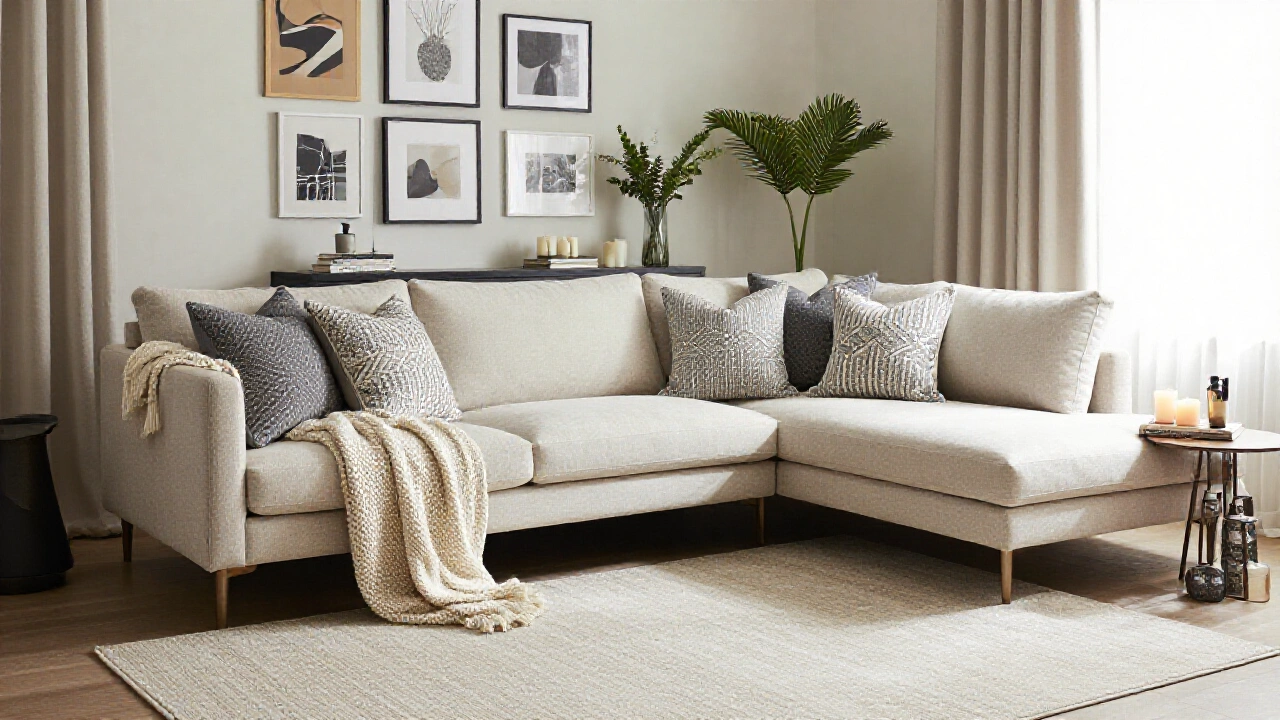
The final layer of living room decor involves carefully curated accessories, textiles, and styling elements that reflect your personality and complete the space. Throw pillows and blankets offer easy ways to introduce color, pattern, and texture while providing comfort and flexibility for seasonal changes. Mix different pillow sizes, shapes, and textures, combine solid colors with patterns, and vary between square, lumbar, and round pillows for visual interest.
Area rugs define seating areas and add warmth to hard flooring surfaces. Choose rugs large enough to anchor furniture groupings, with front legs of major pieces resting on the rug’s edge or surface. Layer different textures through window treatments, selecting curtains or blinds that complement your color scheme while providing privacy and light control.
Wall art and decorative objects personalize your space and create focal points throughout the room. Group artwork in odd numbers and vary heights for dynamic displays. Include plants to bring life and natural elements into your decor large floor plants in corners, smaller plants on side tables, or hanging plants for vertical interest. Decorative objects like books, candles, vases, and personal collections should be arranged in groups of three or five, varying heights and shapes for professional-looking vignettes that complete your living room decor vision.
See also: 25 Low-Cost Ways to Landscape a Side Yard
Frequently Asked Questions
What is the most important element to consider when planning living room decor?
The most crucial element is understanding your space’s layout, natural lighting, and primary functions. This foundation guides all other design decisions, from furniture selection to color schemes, ensuring your decor enhances rather than fights against your room’s inherent characteristics.
How do I choose the right size furniture for my living room?
Measure your room dimensions and allow for proper traffic flow with 18-24 inches of walking space. Your sofa should be proportionate to the room size, and coffee tables should sit 16-18 inches from seating with heights matching seat cushions.
What’s the best way to incorporate color into living room decor without overwhelming the space?
Follow the 60-30-10 rule: use a neutral dominant color for 60% of the space, a secondary color for 30%, and bold accent colors for 10%. This creates balance while allowing personality to shine through accessories and accent pieces.
How can I make a small living room appear larger through decor choices?
Use light colors on walls and large furniture pieces, incorporate mirrors to reflect light, choose furniture with legs to create visual space underneath, and utilize vertical storage solutions. Avoid heavy patterns and opt for multi-functional furniture pieces.