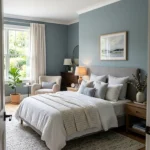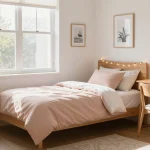

Imagine stepping into your bedroom and feeling like you have just checked into a five-star hotel suite. That feeling is not reserved for expensive renovations or limitless budgets. Achieving a truly luxurious bedroom comes down to a series of thoughtful, intentional choices that work together to create an atmosphere of elegance, comfort, and calm. Interior designers have long known that luxury is not about spending the most money. It is about spending it wisely.
In this guide, you will find 16 actionable designer tips covering everything from color palettes and bedding to lighting, layout, and the 2026 design trends that are redefining what a high-end bedroom looks like. Whether you are starting from scratch or simply refreshing what you have, these tips will help you transform your bedroom into a genuine retreat.
1. Start With a Sophisticated, Calming Color Palette

The color palette you choose sets the emotional tone for the entire space. Designers consistently reach for colors that promote relaxation while exuding quiet refinement. Soft neutrals, including warm beige, cream, muted gray, and pale taupe, form the most reliable foundation because they recede visually and make a room feel expansive and serene.
The key to making neutrals feel luxurious rather than flat is layering. Choose two or three shades from the same tonal family and use them across your walls, bedding, and soft furnishings. This monochromatic approach creates depth without visual noise. If your space needs a more dramatic edge, 2026 interior design trends point toward rich accent tones such as deep aubergine, forest green, and midnight blue appearing on a single painted wall or in upholstery.
If you are drawn to green as a base color, our sage green bedroom ideas guide walks through a range of palettes from soft and botanical to bold and moody, complete with real room examples.
2. Invest in Hotel-Grade Bedding
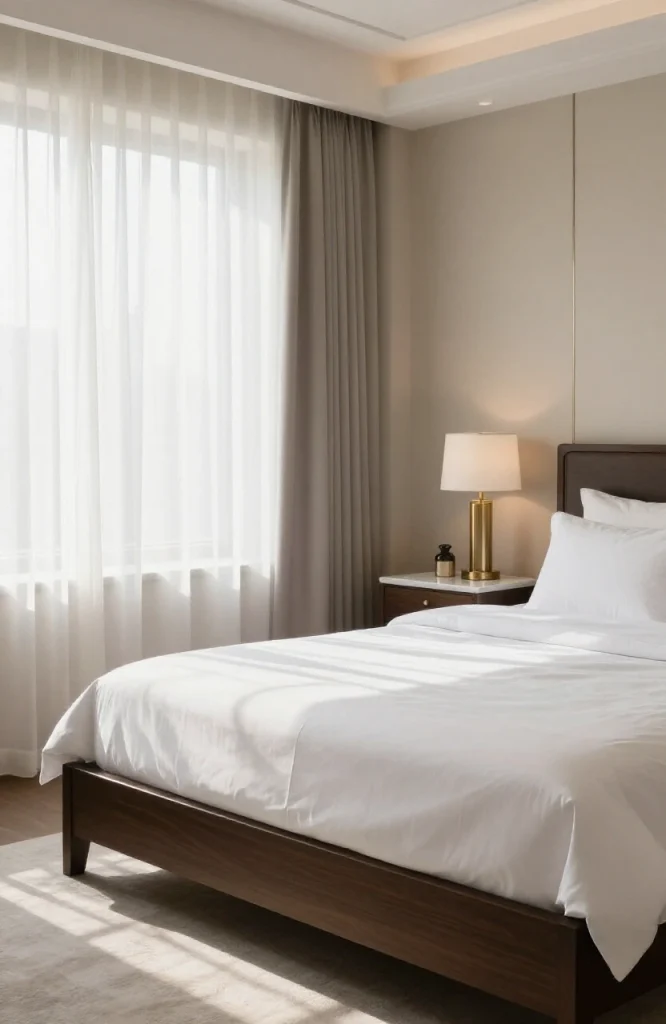
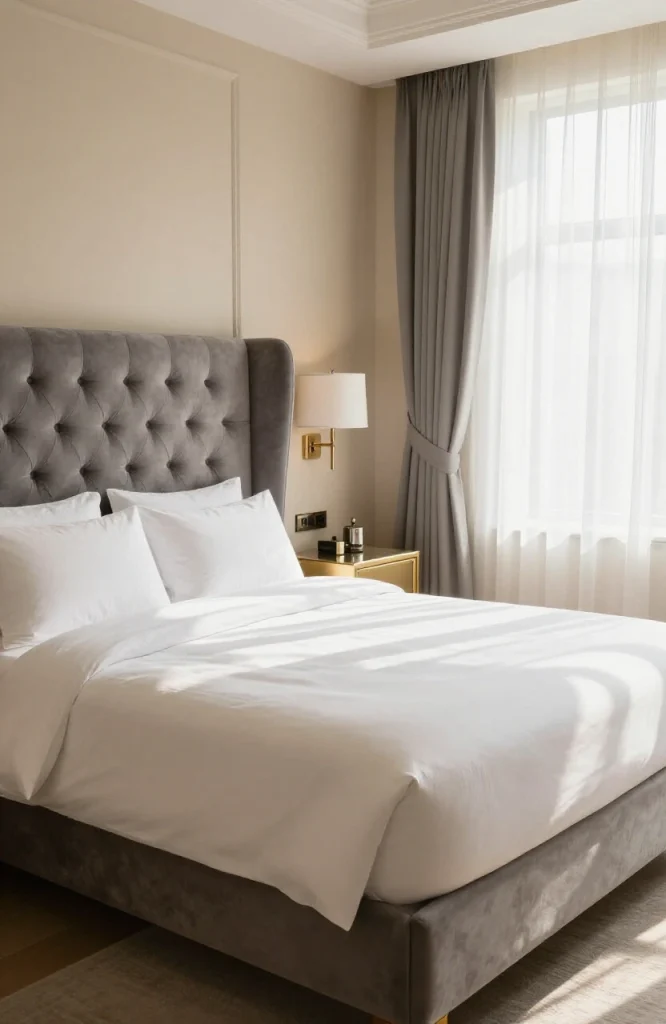
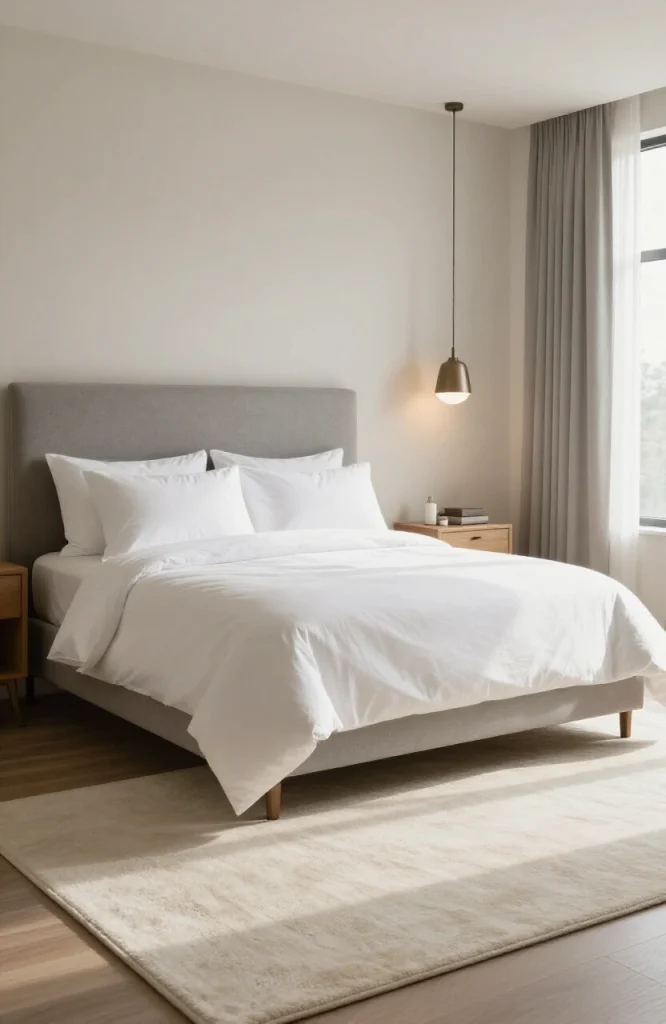
The bed is the undisputed focal point of any bedroom, and the quality of your bedding is the single most noticeable upgrade you can make. Designers recommend starting with sheets that have a thread count between 400 and 800, made from natural fibers such as Egyptian cotton, linen, or bamboo. These materials breathe well, feel genuinely soft against skin, and hold their quality after repeated washing.
Layering is the technique that separates a well-made bed from a styled bed. Begin with a fitted sheet, add a flat sheet, then layer a duvet or comforter in a neutral or tonal color. Fold it back one third of the way from the top. Add a stack of pillows: two sleeping pillows in shams that match the bedding, two Euro pillows behind them, and one or two smaller accent cushions at the front. A folded linen throw draped across the foot of the bed completes the look.
Do not overlook the finishing details. Pillow shams, a bed skirt, and a trim-edged duvet cover elevate the bed from comfortable to considered. Keep the palette neutral or monochromatic to maintain a sophisticated, timeless look that will not date.
3. Choose a Statement Headboard That Commands the Room
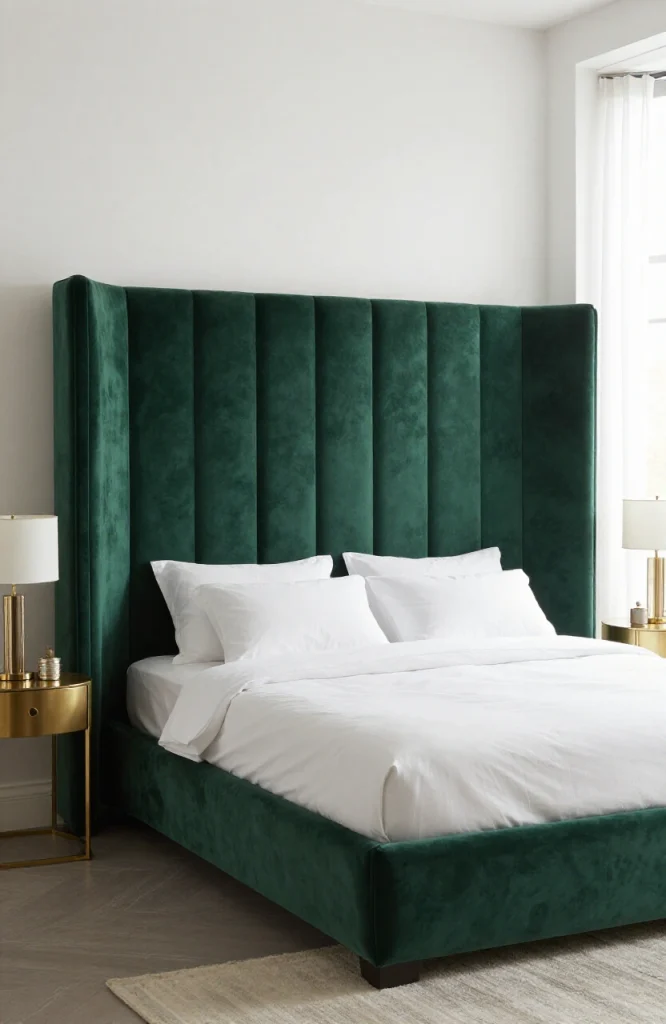
A headboard does more work than almost any other piece in a bedroom. It defines the scale of the room, anchors the bed visually, and signals the overall design direction. Choosing the right one is one of the highest-return decisions you can make.
Upholstered headboards remain the designer’s choice for luxury interiors. Channel tufting, biscuit tufting, and diamond tufting all bring a sumptuous, bespoke quality that holds up beautifully against layered bedding. For 2026, the defining trend is the shelter headboard or wall-to-wall headboard, where fabric, textured panels, or tailored millwork extends across the entire wall behind the bed. Interior designers describe this as the “hotelification of the home,” creating a cocooned, enclosed feeling that immediately elevates the room from functional to extraordinary.
If a full wall installation is not possible, extend your headboard to at least mattress width plus 30 centimeters on each side, and aim for a height of at least 1.2 meters above the mattress level. In standard rooms, taller headboards work best against a high-ceilinged wall. Velvet is the standout fabric choice for 2026, with its depth and tactile richness complementing the shift toward sanctuary-inspired bedrooms.
4. Layer Textures to Add Depth and Richness
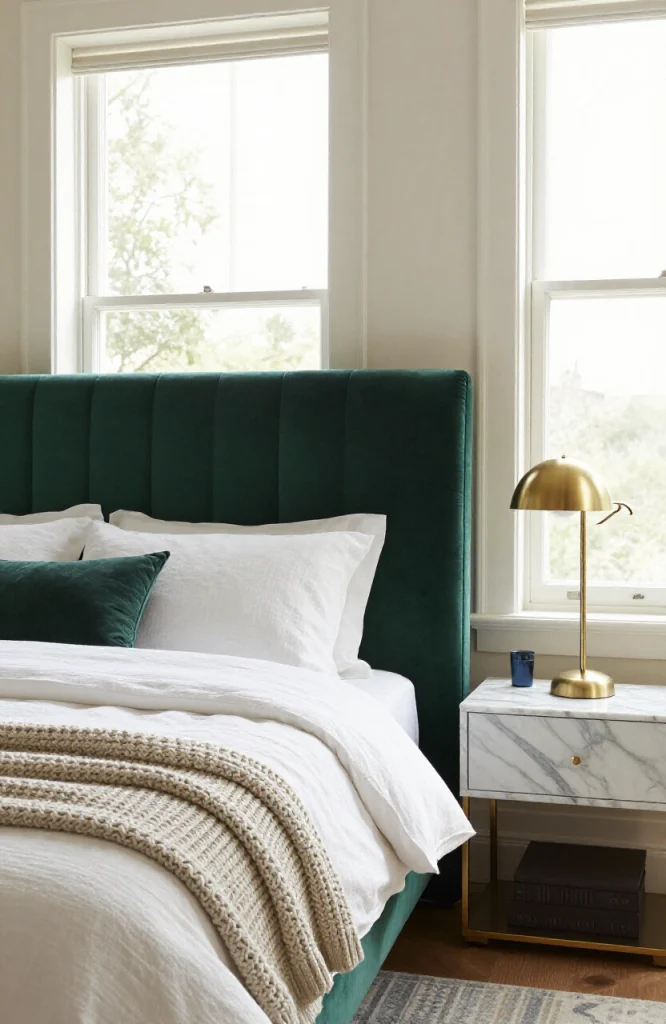
Luxury is largely a tactile experience. A bedroom that looks high-end in photographs almost always layers multiple textures in a way that makes the eye move and the hand want to reach out and touch. The 2026 approach to this is called “muted maximalism”: mixing textures and tones freely while maintaining a sense of calm cohesion.
Think of how the materials in your room interact. A linen duvet against a velvet throw. A bouclé cushion beside a smooth wooden nightstand. A wool rug underfoot against polished timber flooring. Each contrast creates richness without requiring a single bold color or dramatic pattern. The goal is balance. When one surface is rough and tactile, the adjacent one should be smooth and refined.
An end-of-bed bench is one of the most effective tools for layering texture. Choose one upholstered in a material that contrasts with your bedding, whether that is a dark-stained wood frame with a linen seat, a velvet ottoman, or a bouclé bench. It anchors the foot of the bed and provides a natural place to drape a throw.
5. Design a Layered Lighting Plan
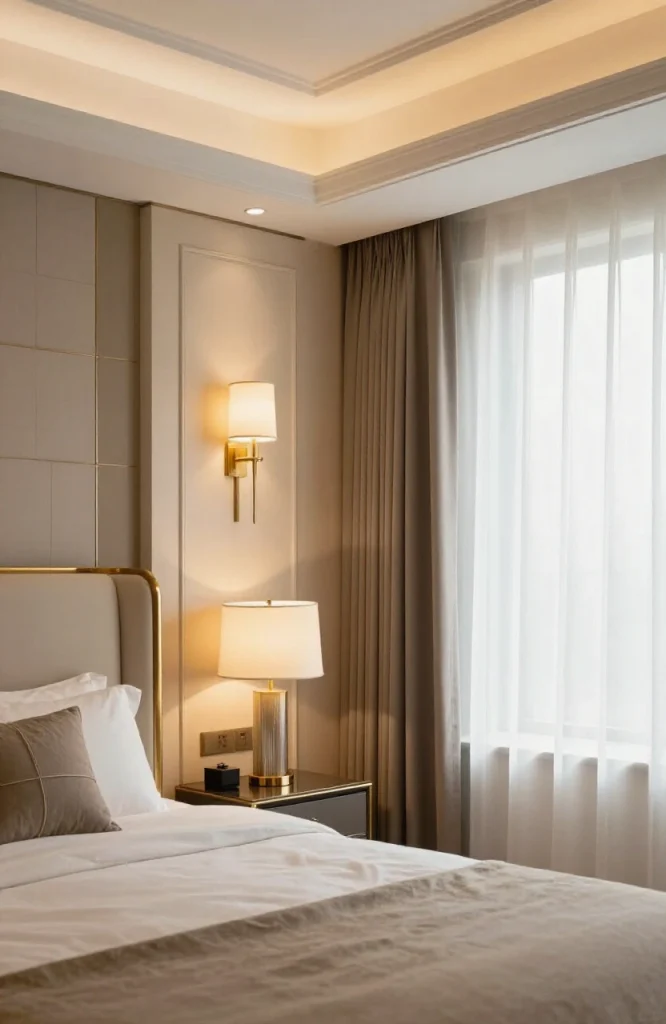
Nothing undermines a well-designed bedroom faster than a single overhead light. Luxury bedrooms use lighting in layers, with each layer serving a different purpose and contributing to the overall mood of the space.
Start at the ceiling. A statement chandelier or pendant light in a metallic finish, whether gold, brass, or matte black, creates an immediate focal point and declares the room’s design intentions from the moment you walk in. Beneath that, wall-mounted sconces on either side of the bed replace table lamps on nightstands, freeing up surface space while providing warm, directed light for reading. Choose sconces with a dimmable function so you can adjust the intensity throughout the evening.
Natural light deserves its own consideration. Window treatments should be layered: a sheer panel that diffuses daylight during the day, and a blackout or lined curtain that can be drawn for privacy and darkness at night. Finally, dimmer switches on every circuit are the single cheapest luxury upgrade in any bedroom. Being able to lower overhead light to ten percent changes the entire atmosphere of the room in an instant.
6. Anchor the Space With a Luxurious Area Rug
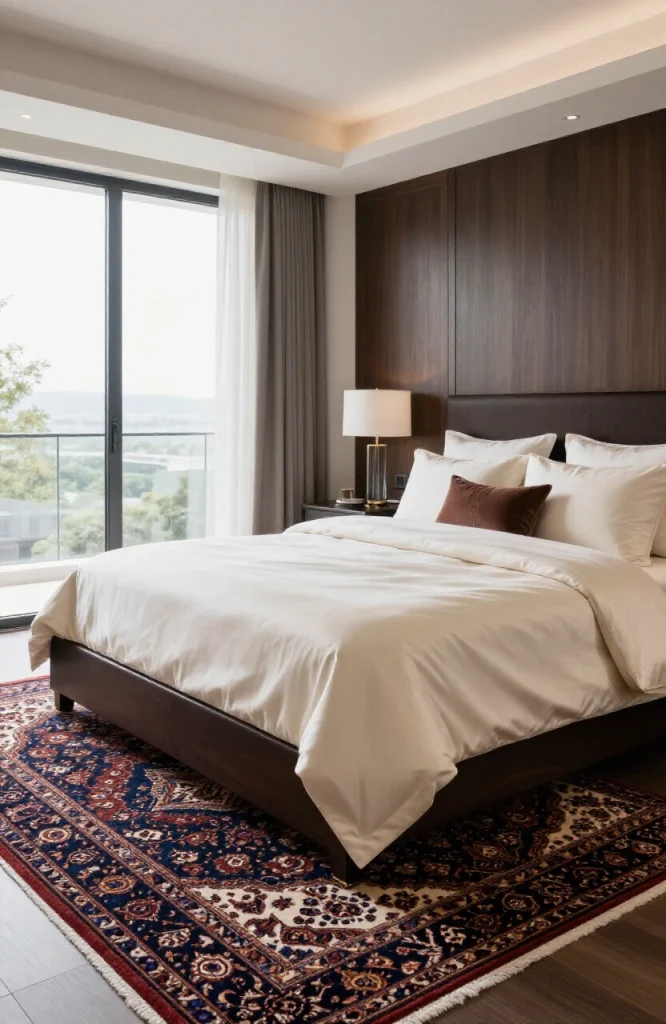
A bedroom without a rug feels unfinished, regardless of how well everything else is executed. Designers treat the area rug as the room’s foundation layer, the piece that grounds all the furniture and ties the palette together.
Size is the most important consideration. The rug should be large enough that when the bed is placed on it, at least 50 to 60 centimeters of rug extends beyond the sides and foot of the bed. A rug that is too small makes the room look underfurnished and undermines the sense of luxury immediately.
For materials, wool offers the best combination of softness, durability, and visual depth. Silk and silk-blend rugs have an unmatched sheen but require more careful maintenance. Jute and natural fiber rugs work well in rooms with a more organic or relaxed approach to luxury. For pattern, a low-contrast tone-on-tone design or a subtle geometric keeps the rug from competing with other elements in the room.
7. Select Furniture That Is Both Elegant and Functional
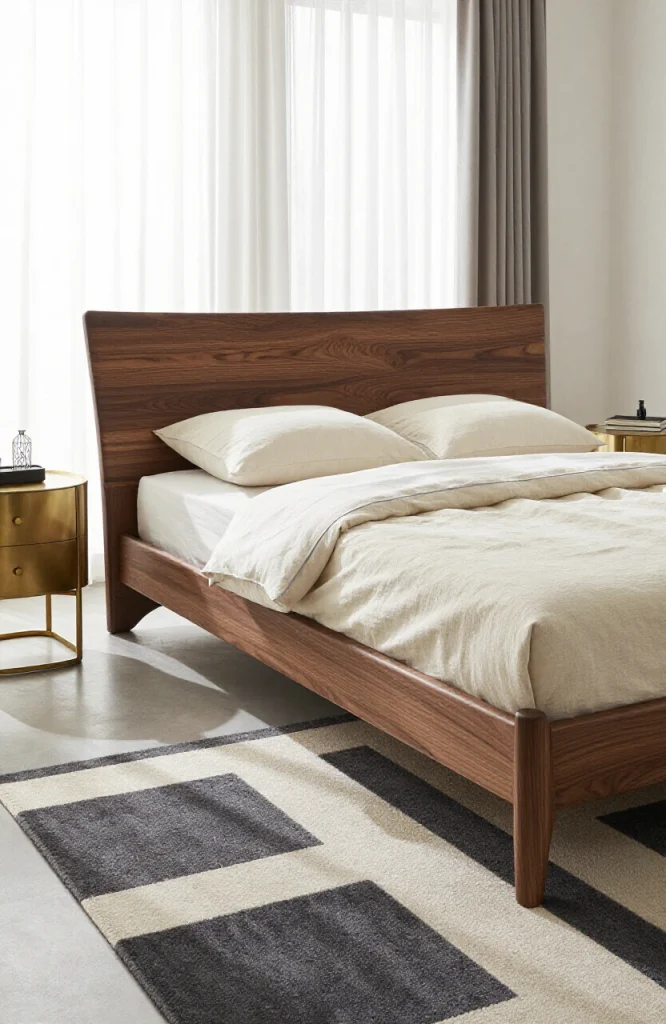
Luxury furniture is not defined by price alone. It is defined by proportion, material quality, and the way pieces relate to one another in the room. Interior designers consistently emphasize scale: large-scale furniture in a properly sized room makes the space feel more generous and more intentional. A bed that fits wall to wall with appropriately sized nightstands on each side signals confidence and design authority.
Symmetry is the hotel formula that almost always works. Matching nightstands on either side of the bed create visual balance and signal order. If matching pieces feel too rigid, you can introduce asymmetrical art above the headboard or mismatched lamp styles while keeping the nightstand forms the same.
Nightstands themselves are worth upgrading. Basic flat-pack options with a simple shelf read as an afterthought in a well-styled room. Look for pieces with a material story: a marble top, a cane-fronted drawer, a solid oak form, or a lacquered finish. These details are what visitors notice even if they cannot name exactly why the room feels expensive.
When it comes to bed size, designers recommend going as large as the room can sensibly accommodate. Allow a minimum of 65 centimeters of clear circulation space on both sides of the bed. If the room allows it, a super king is the single piece of furniture that most dramatically shifts a bedroom from ordinary to suite-level.
8. Create an Accent Wall That Elevates the Focal Point
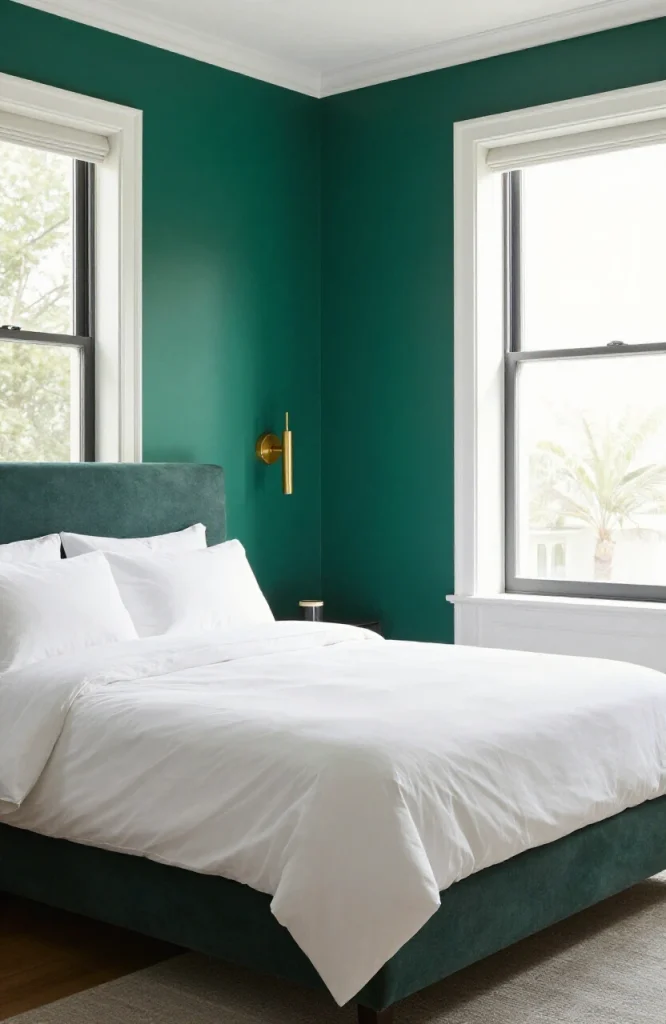
A well-executed accent wall frames the bed and gives the room a clear hierarchy. The most effective approach is to treat the wall behind the headboard as a design moment rather than a background element.
Wallpaper remains one of the most impactful choices available. A botanical print, a textured grasscloth, or a subtle geometric adds depth and personality that flat paint cannot replicate. For a more architectural approach, panel molding applied directly to the wall and painted in a tone slightly deeper than the surrounding walls creates the effect of bespoke joinery without the cost. Gypsum archways and reeded panels are popular in 2026 luxury interiors, lending a softly sculptural quality that photographs beautifully.
Fabric panels and upholstered wall sections are another option that brings warmth and acoustic softness to the room. This treatment works particularly well alongside an upholstered headboard, extending the luxury material up the wall and toward the ceiling for a fully cocooned effect.
9. Hang Floor-to-Ceiling, Tailored Curtains
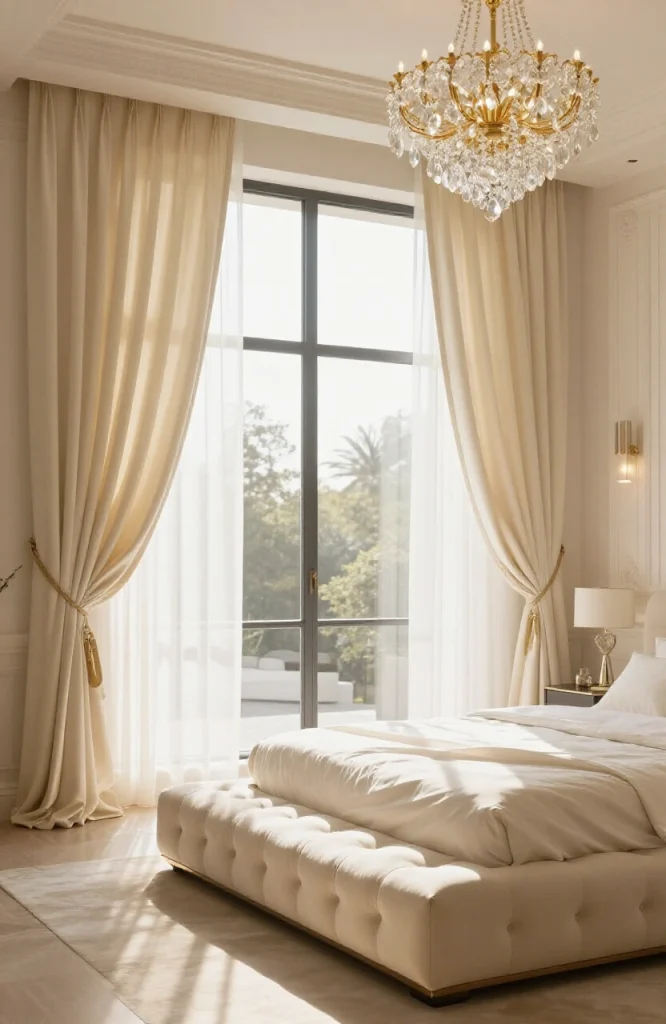
Curtains are one of the most consistently underestimated elements in bedroom design. Most people choose them at standard off-the-shelf drop lengths and hang them from a rod positioned just above the window frame. Designers do neither of these things.
To create the impression of height and grandeur, fix the curtain rod as close to the ceiling as possible, regardless of where the actual window sits. The curtains should then fall from that high point all the way to the floor, pooling slightly if the fabric allows it. This single change makes ceilings feel higher and windows feel larger without any structural work.
For fabric, velvet makes the most dramatic statement and works particularly well in rooms with a rich, jewel-toned or neutral-dark palette. Linen curtains are the more relaxed choice and suit rooms with a natural, organic approach to luxury. Regardless of fabric, line your curtains. A blackout lining serves a practical function for sleep quality and privacy, while also adding weight and structure that makes the curtain fall more elegantly.
10. Incorporate Natural Materials for Warmth and Authenticity
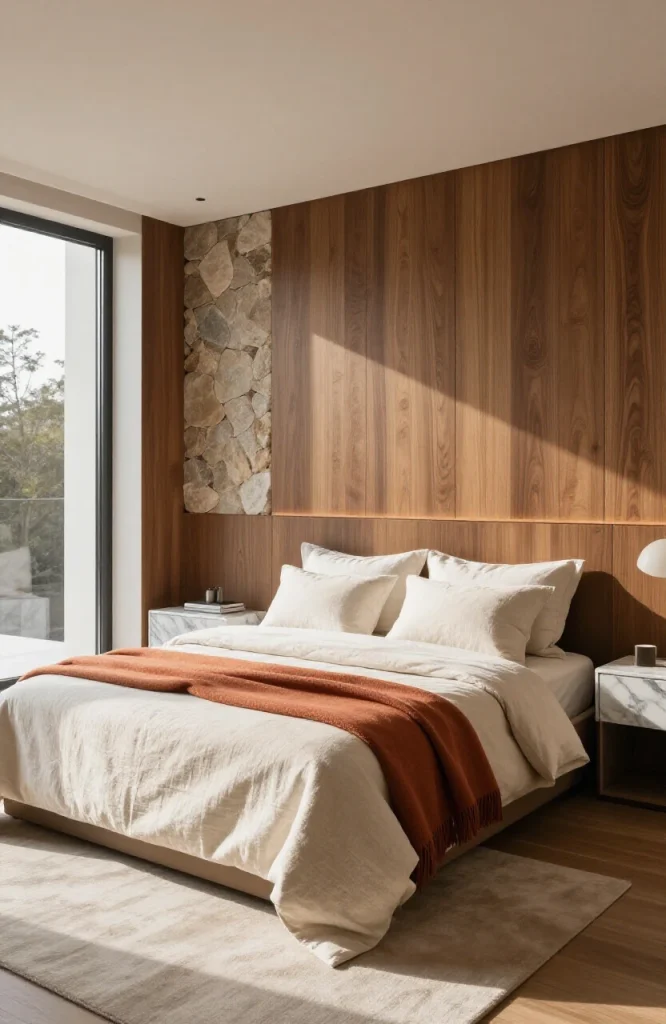
The best luxury bedrooms in 2026 are moving away from the cold, high-gloss surfaces that defined high-end interiors a decade ago and toward materials that feel genuinely warm and alive. Wood, stone, and organic textiles bring an honesty to a space that synthetic materials simply cannot replicate.
Introduce wood through furniture forms. A solid oak bed frame, walnut nightstands, or a raw-edge wooden shelf above a console add warmth without effort. For stone, marble or travertine surfaces on nightstand tops or a dresser bring a quiet opulence that reads as distinctly high-end. Even a single marble tray on the bedside table elevates the overall impression of the space.
Indoor plants are underused in bedroom design. A single large architectural plant, such as a fiddle-leaf fig, a monstera, or a tall snake plant, adds vertical interest, introduces a natural color reference, and contributes to a sense of life and vitality that no manufactured object can replicate. If you are extending your design thinking into your bathroom as well, our guide on simple ways to reinvent your bathroom covers how natural materials translate just as effectively into that space.
11. Declutter Ruthlessly Because Luxury Thrives in Negative Space
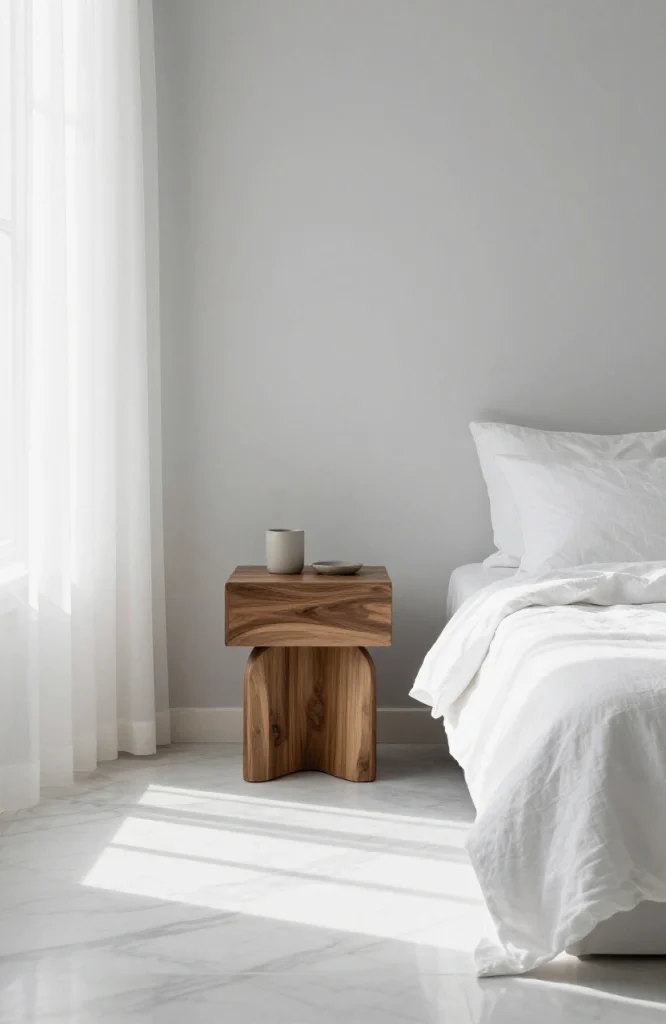
Scan the interiors of the world’s most celebrated luxury hotel rooms and you will notice one consistent quality: space. Not empty space, but considered space, where every object has been chosen, placed, and given room to breathe. Clutter is the single greatest enemy of a luxurious bedroom, regardless of how expensive the individual pieces are.
Begin with a full clear-out of the room. Remove anything that does not belong in a bedroom: paperwork, exercise equipment, piles of clothing, redundant furniture. Then assess what remains. If an object does not serve a function or bring you genuine pleasure to look at, it should not be there.
Storage discipline is the follow-through. Built-in wardrobes, under-bed drawers, and furniture with concealed storage keep the visible surfaces clean and intentional. The minimum clearance around furniture should be 65 centimeters on either side of the bed. Furniture that is too crowded together reads as chaotic, regardless of its individual quality.
12. Add Curated Art and Personal Accessories
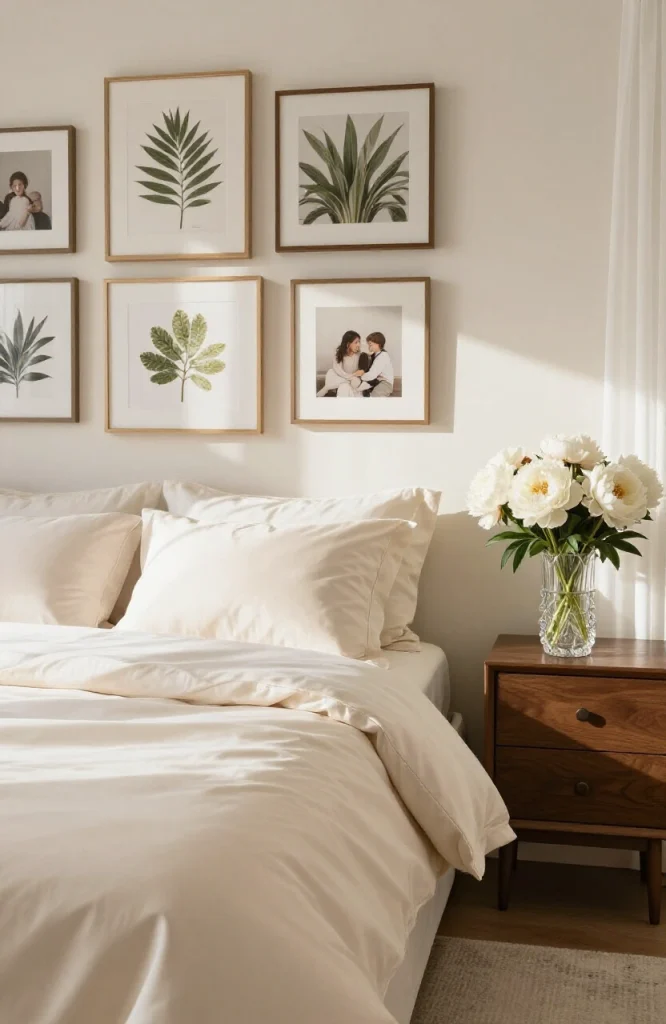
A luxury bedroom is not a showroom. It should reflect personal taste and tell a visual story, and art is one of the most effective ways to achieve that. The key is curation: a small number of pieces chosen with intention, rather than walls covered in an accumulation of items.
Above the headboard is the most logical starting point. A single large-format artwork can anchor the entire room if the proportions are right. Aim for a piece that is roughly two thirds the width of the bed or headboard. Alternatively, a grouping of three works in complementary frames creates a more relaxed, collected feel. If you go with a grouping, vary the sizes slightly but keep consistent spacing between frames.
On flat surfaces, the design rule of three applies well. A lamp, a sculptural object, and a small tray or stack of books create a vignette that looks curated rather than random. Resist the temptation to fill every surface. Three objects on a nightstand is usually the maximum before it starts to feel cluttered.
13. Design a Dedicated Seating or Reading Nook
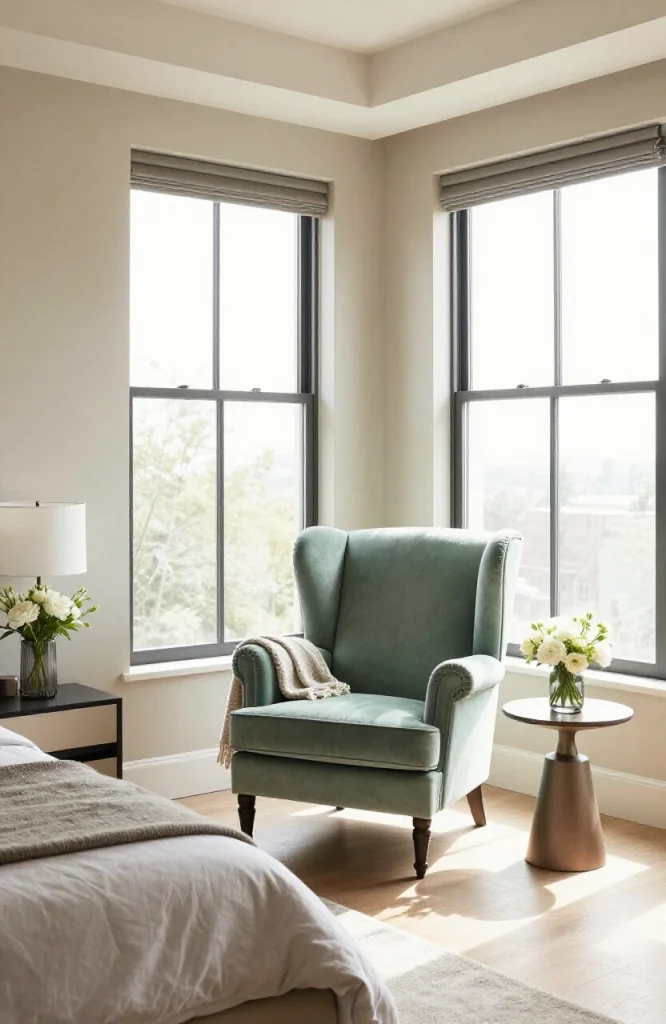
One of the clearest signals that a bedroom has crossed from functional to suite-level is the presence of a dedicated seating area. In five-star hotels, the master suite almost always includes a chair or small sofa positioned away from the bed, creating a second zone within the room for reading, dressing, or quiet reflection.
In a master bedroom with sufficient square footage, a pair of armchairs facing a low coffee table or a single chaise lounge positioned near a window achieves this effect beautifully. In smaller rooms, a single upholstered armchair in a corner with a floor lamp beside it is enough to create the feeling of a multi-functional retreat.
When positioning a seating area, think about the sightline from the bed. Ideally, the chair or chairs should be visible from the bed but not directly in front of it. They should feel like a separate destination within the same room. The fabric of the seating piece is an opportunity to introduce a material or pattern that complements the bedding without repeating it exactly.
14. Engage the Senses With Scent and Sound
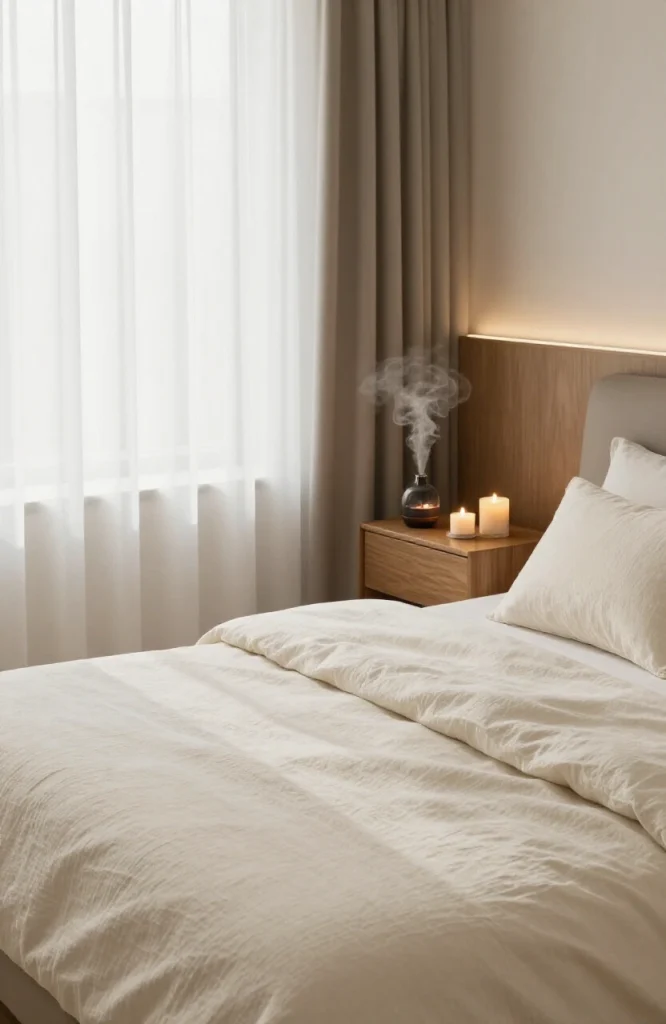
The finest hotel rooms do not just look good. They smell good and feel acoustically calm. These sensory layers are entirely achievable at home and are among the most overlooked elements in bedroom design.
For scent, a high-quality reed diffuser or a carefully chosen candle can transform the way a room feels within minutes of entering it. Choose a single, consistent scent for your bedroom rather than rotating through products. Over time, that scent becomes associated with rest and relaxation, conditioning the body to unwind faster. Popular designer choices include warm, complex notes such as sandalwood, cedarwood, vetiver, and light florals.
For sound, soft furnishings do more acoustic work than most people realize. Heavy curtains, thick rugs, and upholstered walls absorb reflected sound and make a room feel quieter and more contained. This acoustic softness is a significant part of why luxury hotel rooms feel so restful. In 2026, the wellness bedroom trend is driving the adoption of digital-free zones, where phones are kept outside the bedroom and the space is devoted entirely to rest and recovery. It is a design decision with no material cost and an outsized impact on the quality of sleep.
15. Use Mirrors Strategically to Expand the Space
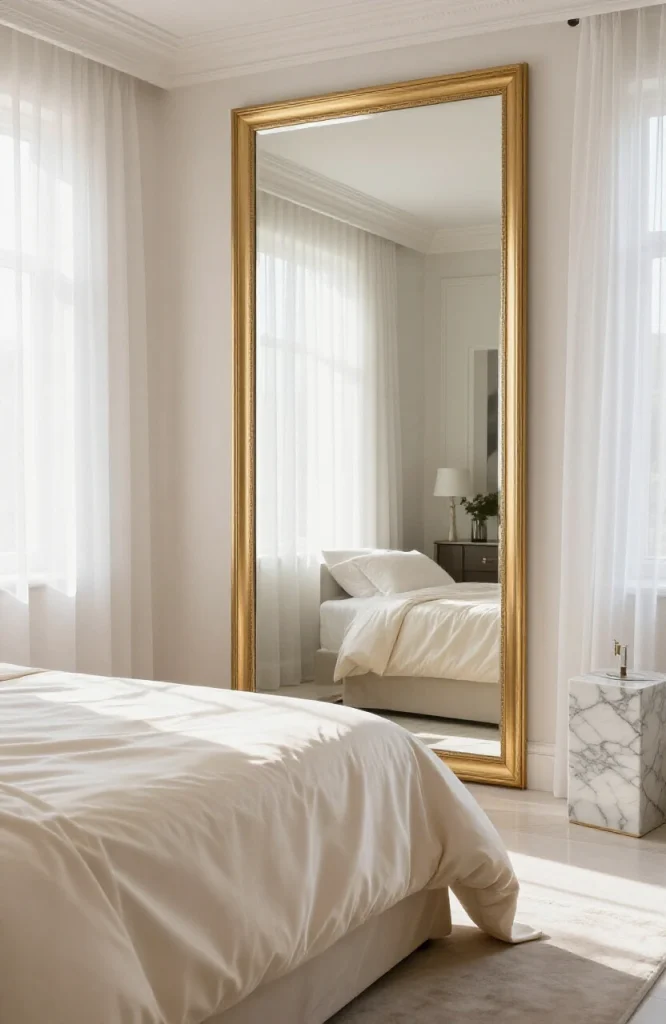
Mirrors are one of the few design tools that serve both a functional and a spatial purpose simultaneously. Placed well, they make a room feel larger, brighter, and more dynamic. Placed poorly, they can introduce visual confusion or, famously, disrupt sleep.
For a bedroom, the most effective mirror placement is on a wall adjacent to or opposite a window, where the mirror will capture and reflect natural light into the room during the day. A large full-length mirror leaning against a wall or hung in a solid frame adds both function and a sense of depth. For a more decorative approach, a statement framed mirror above a dresser or console acts as a focal point while bouncing light around the room.
Avoid placing a large mirror directly opposite the bed, a placement that some find disruptive to sleep. Instead, position it off to the side where it adds spatial depth without becoming an object you look directly at from a lying position. Mirrored furniture, such as a mirrored nightstand or dresser front, introduces reflection in a more subtle and integrated way.
16. Integrate Smart Technology Without Breaking the Aesthetic
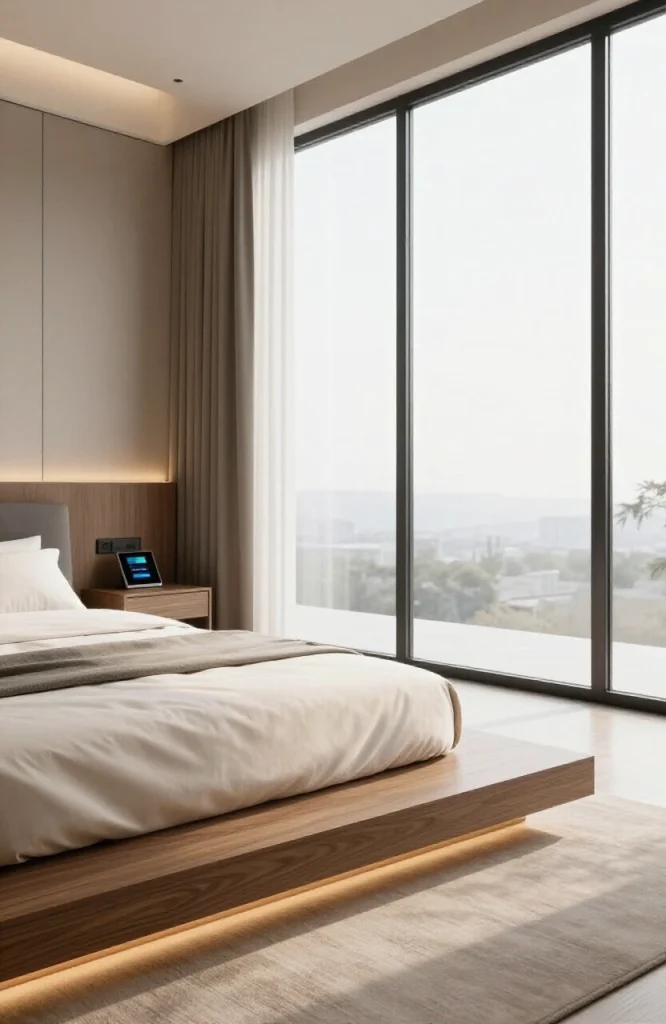
The luxury bedroom of 2026 is an intelligent space. Technology that controls light, temperature, and sound is now seamlessly integrated into high-end residential design, but the challenge is doing so without introducing visual clutter or the cold aesthetic of consumer electronics.
The most effective approach is concealment. Cable management systems, in-wall charging points, and recessed power sockets keep surfaces clean and eliminate the tangle of cords that undermines even the most carefully designed room. Smart lighting systems that can be preset to specific scenes, a cool, bright scene for morning and a warm, dim scene for evening, allow the room to shift its mood automatically.
Motorized blinds are one of the quietest luxury upgrades available. They eliminate curtain cords, operate silently, and can be timed to open gradually with the morning light, replacing an alarm clock with something far more pleasant. When combined with a smart thermostat that maintains optimal sleeping temperature through the night, these systems transform the bedroom from a passive space into one that actively supports your wellbeing.
Frequently Asked Questions About Luxurious Bedrooms
What makes a bedroom look luxurious on a budget?
The highest-impact budget upgrades are decluttering, investing in quality bedding, installing dimmer switches, and adding a large area rug. Together these four changes cost a fraction of new furniture but produce the most noticeable improvement in how a room feels.
What color makes a bedroom look the most luxurious?
Warm neutrals such as cream, warm white, and soft taupe consistently read as the most luxurious because they reflect light evenly and create a sense of calm. Monochromatic layering within a single neutral family adds depth without visual clutter.
How do I make my bedroom feel like a 5-star hotel?
Focus on the bed first: high thread-count natural fiber bedding, a tall upholstered headboard, and hotel-style pillow layering. Then add dimmable lighting, clear every surface of clutter, and introduce a single signature scent. These five changes produce the hotel effect most reliably.
What is the most important element in a luxury bedroom?
The bed, specifically the headboard and bedding together. The bed occupies more visual real estate than any other element in the room and communicates the entire design direction from first glance.
What bedding do luxury hotels use?
Most five-star hotels use 400 to 600 thread count percale or sateen cotton sheets in white or ivory. They layer multiple pillows in matching shams, a duvet with a crisp white cover, and a decorative throw or folded blanket at the foot. The key is the layering, not any single piece.
Final Thoughts: Luxury Is in the Details
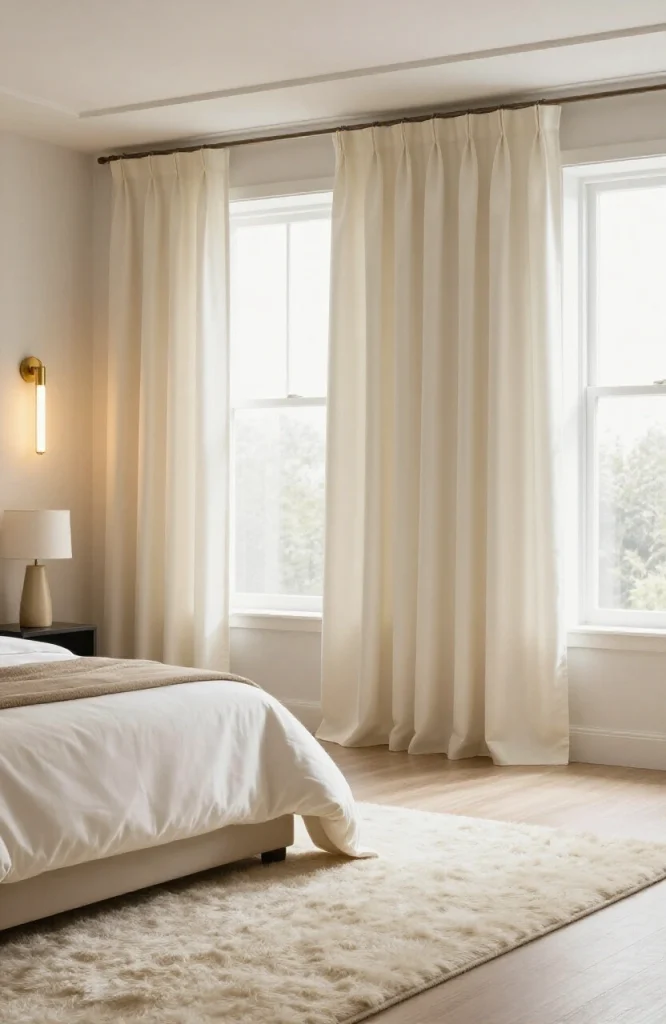
Creating a luxurious bedroom is rarely about one dramatic gesture. It is the accumulation of details: the weight of the curtain, the softness of the rug underfoot, the quiet glow of a dimmed sconce, the scent that greets you at the door. Each of these details is achievable on its own and becomes more powerful in combination with the others.
Start with two or three tips that address the areas of your room that feel most lacking. Perhaps that is the bedding and the lighting, or the headboard and the color palette. Build from there. The bedroom you have been imagining is not as far away as it seems.
For more ideas on creating a home that feels elevated and considered, explore our guides on sage green bedroom ideas and simple ways to reinvent your bathroom.